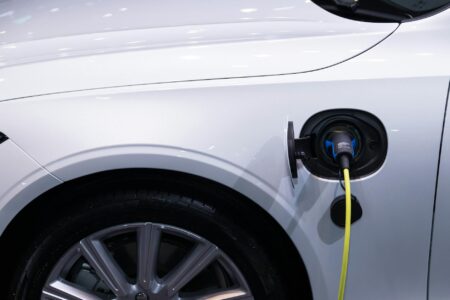





The race to secure battery recycling partnerships has become the automotive industry’s latest battleground. As electric vehicle sales surge globally, automakers face a looming crisis: what to do with millions of depleted lithium-ion batteries expected to reach end-of-life within the next decade.
Major car manufacturers are scrambling to lock in exclusive deals with battery recycling specialists, recognizing that controlling the supply chain for critical materials like lithium, cobalt, and nickel could determine their competitive advantage in the EV transition. The urgency stems from both environmental regulations and economic necessity – these partnerships could slash raw material costs by up to 30% while meeting increasingly strict sustainability mandates.
General Motors recently announced a strategic alliance with Li-Cycle, a Canadian battery recycling company that processes spent batteries into battery-grade materials. Ford has invested heavily in Redwood Materials, founded by former Tesla co-founder JB Straubel. Meanwhile, Volkswagen Group has established its own recycling pilot plant in Germany while simultaneously partnering with multiple third-party processors.
The Economics Behind the Battery Rush
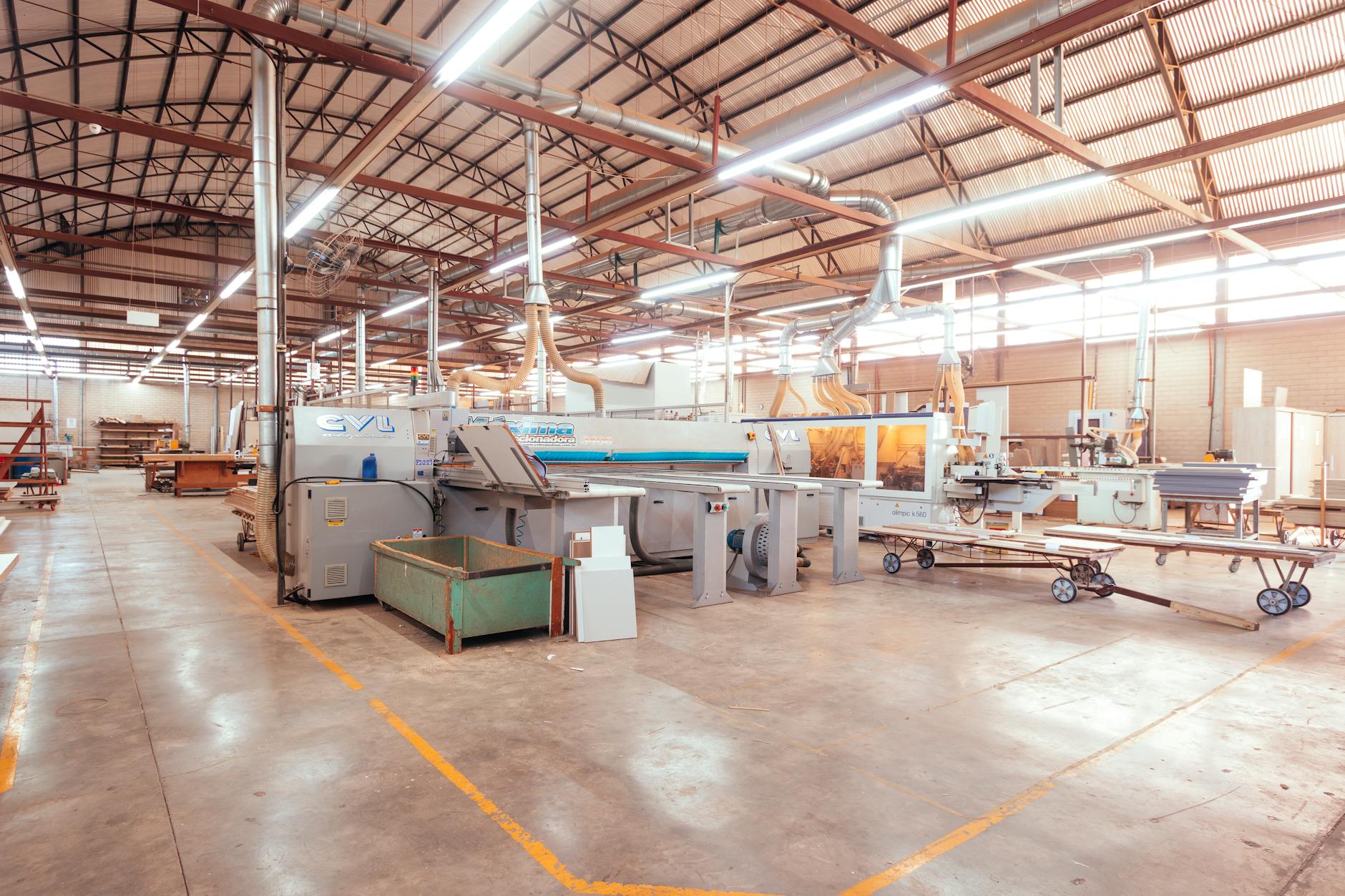
The numbers driving these partnerships are staggering. Industry analysts project that by 2030, approximately 11 million tons of lithium-ion batteries will reach end-of-life globally. Each ton of recycled battery material can yield up to 120 pounds of lithium carbonate, 35 pounds of cobalt, and 44 pounds of nickel – materials that would otherwise require energy-intensive mining operations.
Redwood Materials claims its process can recover over 95% of critical metals from spent batteries, creating a closed-loop system that dramatically reduces dependence on virgin mining. The company processes batteries from Tesla, Amazon, and Panasonic at its Nevada facility, with plans to expand production capacity tenfold by 2025.
Li-Cycle operates a spoke-and-hub model, with regional preprocessing facilities feeding material to centralized hydrometallurgical plants. Their Rochester, New York facility can process 10,000 tons of battery material annually, with the recovered materials meeting or exceeding the quality of mined alternatives.
The financial incentives are compelling. Cobalt prices have fluctuated wildly over the past five years, reaching highs of over $80,000 per ton before settling around $30,000. Recycled cobalt typically costs 20-40% less than mined cobalt, providing automakers with both cost savings and supply chain stability.
Regulatory Pressure Accelerates Partnerships
Environmental regulations are pushing automakers toward these recycling alliances faster than market forces alone. The European Union’s new Battery Regulation, which takes full effect in 2025, requires manufacturers to achieve specific recycling rates: 65% for lithium, 90% for cobalt and nickel, and 95% for copper.
China has implemented similar requirements, mandating that EV manufacturers take responsibility for battery lifecycle management. The regulations include traceability requirements that track batteries from production through recycling, creating complex compliance challenges that specialized recycling partners help navigate.
The Biden Administration’s Inflation Reduction Act adds another layer of complexity, as tax credits for EV purchases require batteries to contain increasing percentages of North American-sourced materials. Recycling partnerships help automakers meet these domestic content requirements without relying solely on new mining operations.
Battery passport systems being developed in Europe will track each battery’s composition, performance history, and environmental impact throughout its lifecycle. These digital records will be essential for efficient recycling, giving automakers with established recycling partnerships a significant advantage in compliance and cost management.
Technology Innovations Drive Competitive Advantage
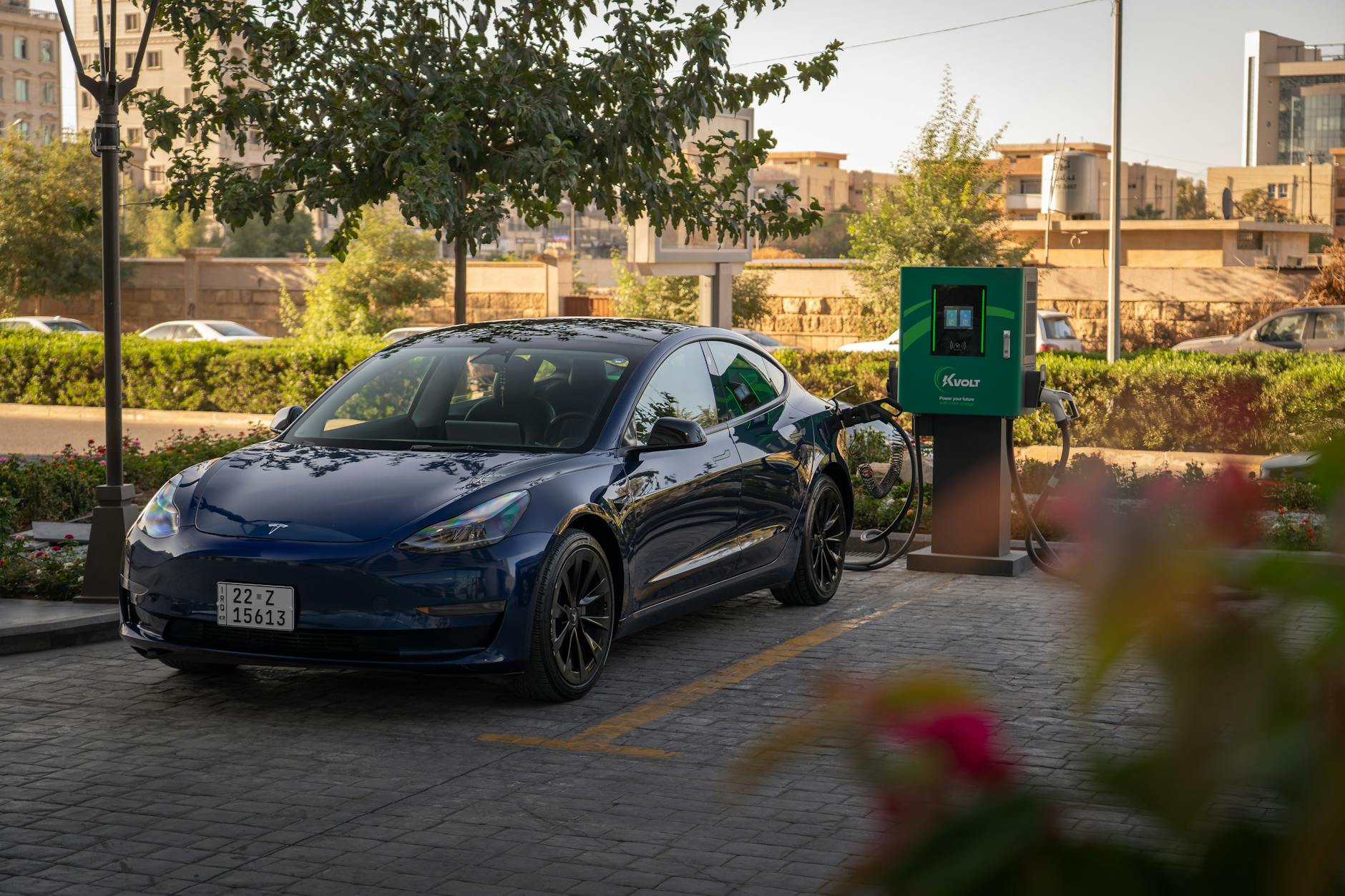
The recycling companies attracting major partnerships have developed proprietary technologies that maximize material recovery while minimizing environmental impact. Traditional pyrometallurgical processes, which use high-temperature furnaces, typically recover only 30-40% of lithium. Advanced hydrometallurgical techniques employed by companies like Li-Cycle and Redwood Materials achieve recovery rates exceeding 95%.
Ascend Elements, another player attracting automaker attention, has developed what it calls “direct cathode recycling.” Instead of breaking down battery materials into individual elements, this process maintains the crystal structure of cathode materials, reducing energy consumption by up to 70% compared to traditional recycling methods.
American Battery Technology Company has partnered with several automakers to develop on-site recycling capabilities. Their modular systems can be deployed directly at battery manufacturing facilities or vehicle assembly plants, creating immediate closed-loop recycling without transportation costs.
The technology race extends beyond just material recovery. Companies are developing automated disassembly systems that can safely and efficiently remove batteries from vehicles, sort different battery chemistries, and prepare materials for processing. These innovations address one of recycling’s biggest bottlenecks: the labor-intensive process of battery collection and preparation.
Similar to how gaming companies are pivoting to new markets as industry dynamics shift, battery recycling firms are expanding their capabilities to capture value across the entire EV ecosystem.
Supply Chain Security Becomes Strategic Priority
Beyond cost savings and regulatory compliance, these partnerships address national security concerns about critical mineral dependence. The Democratic Republic of Congo controls over 70% of global cobalt production, while China dominates lithium processing and rare earth extraction. Domestic recycling capabilities reduce this strategic vulnerability.
Tesla’s partnership with Redwood Materials exemplifies this approach. The companies are building a integrated supply chain where Tesla’s Nevada Gigafactory will receive recycled materials from Redwood’s adjacent facility. This geographic proximity eliminates transportation costs and creates a secure, predictable supply stream for battery production.
Ford’s partnership strategy goes further, with the automaker taking equity stakes in multiple recycling companies while also developing internal capabilities. This diversified approach hedges against technology risk while ensuring access to recycling capacity as the company scales EV production.
Stellantis has announced partnerships with recycling companies across three continents, creating redundant supply chains that can withstand regional disruptions. The company’s European partnerships focus on meeting EU regulations, while North American alliances target IRA compliance and supply chain localization.

The battery recycling partnership boom reflects a fundamental shift in how automakers think about resource management. Companies that secure advantageous recycling relationships now will likely maintain cost advantages and regulatory compliance advantages for decades. As EV adoption accelerates and the first wave of electric vehicles reaches end-of-life, these partnerships will determine which automakers can sustain profitable EV production at scale.
The next 18 months will be critical as recycling companies bring major new facilities online and automakers finalize long-term supply agreements. The winners in this partnership race will shape the sustainable mobility landscape for the next generation of electric vehicles.
Frequently Asked Questions
Why are automakers partnering with battery recycling companies?
To secure supply chains for critical materials, reduce costs by up to 30%, and meet environmental regulations requiring high recycling rates.
What materials can be recovered from recycled EV batteries?
Advanced recycling processes can recover over 95% of lithium, cobalt, nickel, and copper from spent batteries at lower costs than mining.