




Top Stories

The Dependent Care FSA limit hasn’t changed since 1986, while childcare costs have tripled. Here’s what that policy freeze costs families today.






A wave of warehouse subleases signals cooling e-commerce demand, with retailers shedding space they over-committed to during the supply chain boom years.

As states reinstate Medicaid copays, chronically ill households face rising out-of-pocket costs that force rationing of essential medications and care.

Pandemic-era utility shutoff moratoriums masked a growing debt crisis. Now that protections have expired, low-income arrears are surging with few policy solutions keeping pace.

Private credit funds have raised over $1.4 trillion, displacing banks as middle-market companies seek faster, more flexible financing solutions.




A wave of warehouse subleases signals cooling e-commerce demand, with retailers shedding space they over-committed to during the supply chain boom years.
As states reinstate Medicaid copays, chronically ill households face rising out-of-pocket costs that force rationing of essential medications and care.
Pandemic-era utility shutoff moratoriums masked a growing debt crisis. Now that protections have expired, low-income arrears are surging with few policy solutions keeping pace.
The Dependent Care FSA limit hasn’t changed since 1986, while childcare costs have tripled. Here’s what that policy freeze costs families today.

Hospital merger freeze orders leave regional health systems holding deal-related debt with no merged revenue base to support it, quietly straining bond markets and credit profiles.

Student loan servicer exits are disrupting repayment for millions. Payment histories, IDR plans, and PSLF counts go missing mid-transfer, with real credit consequences.

Workers’ comp premium increases are quietly cutting into gig contractor income as platforms shift compliance costs downward and classification systems lag behind how gig work actually operates.
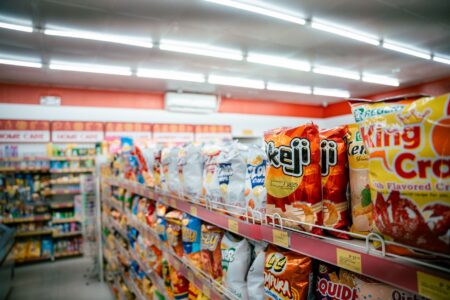
Grocery shrinkflation complaints are rising as the CFPB scales back oversight, leaving consumers with fewer formal channels and manufacturers with less regulatory pressure to stop.