





The Bill That Keeps Growing
Flood insurance premiums along the U.S. coastline have been climbing at a pace that is outrunning wage growth, home appreciation, and most homeowners’ ability to budget. The Federal Emergency Management Agency’s National Flood Insurance Program overhauled its pricing model in 2021 under a methodology called Risk Rating 2.0, which replaced flat-zone pricing with property-specific risk calculations. For millions of coastal homeowners, that shift meant their annual premiums stopped reflecting their zip code and started reflecting the precise elevation of their crawl space – and the numbers have been shocking.
The hardest-hit households are concentrated in Gulf Coast states, the Florida peninsula, the Carolinas, and coastal Louisiana, though the Northeast is not immune. A home that carried a $900 annual flood insurance premium three years ago may now face $2,400 or more, with FEMA’s rules allowing increases of up to 18 percent per year until the full actuarial rate is reached. For a retiree on a fixed income who bought a modest beach cottage in the 1990s, that trajectory is not manageable – it is a slow-motion financial crisis.
How Risk Rating 2.0 Changed Everything
Before the 2021 overhaul, FEMA priced flood insurance primarily by flood zone designations drawn on Flood Insurance Rate Maps. If your home sat in a moderate-risk zone, you paid a moderate-risk premium regardless of whether your specific property sat four feet lower than the neighbor across the street. That system was politically popular because it held premiums artificially low for millions of coastal properties, but it was also financially insolvent – the NFIP has carried more than $20 billion in debt to the U.S. Treasury, much of it accumulated after catastrophic storm seasons. Risk Rating 2.0 was designed to fix that structural deficit by aligning what homeowners pay with what their properties actually cost to insure.
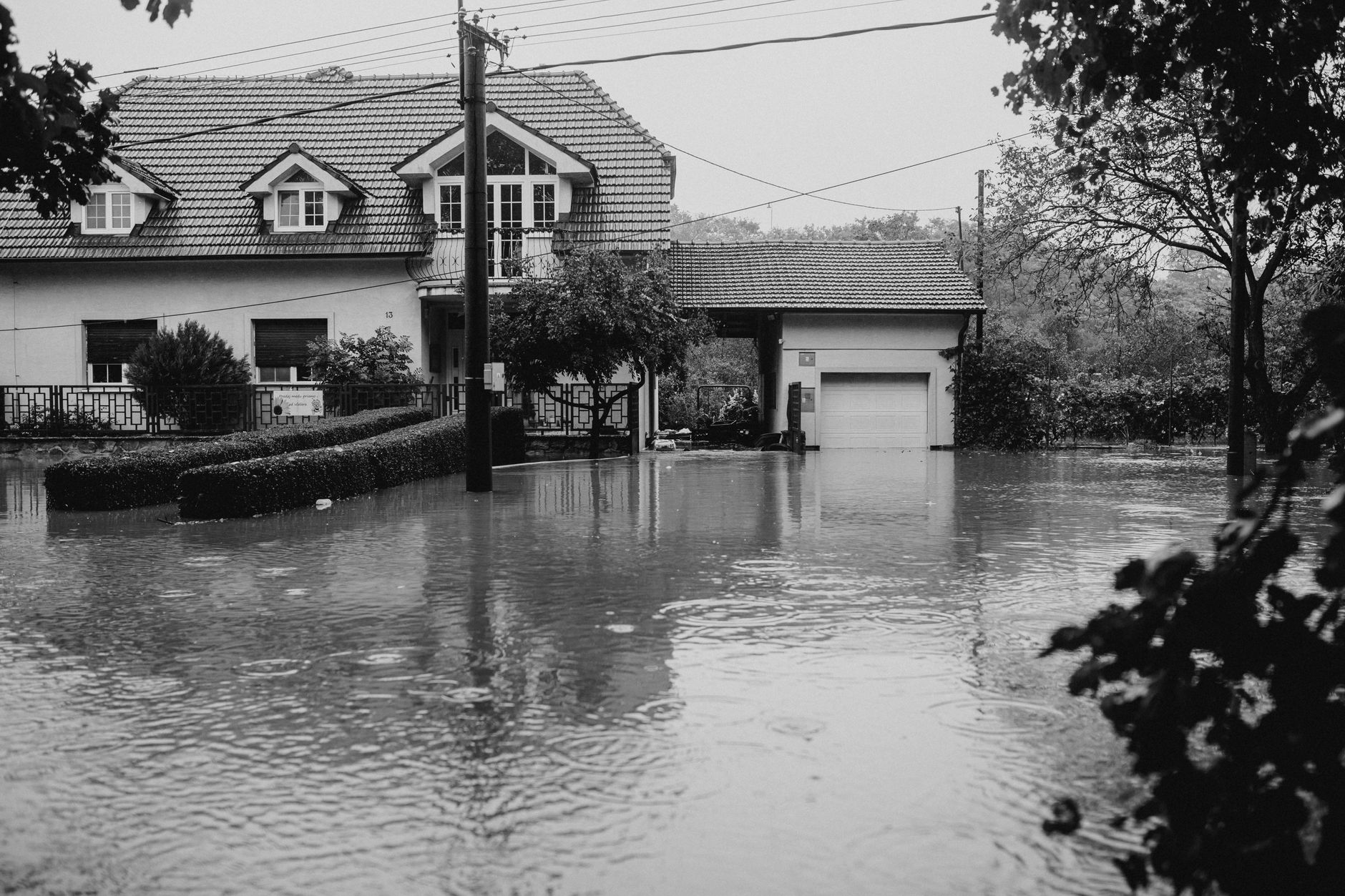
The actuarial logic is sound, but the human cost is steep. Properties that were previously underpriced by the old zone system are now being corrected upward, sometimes dramatically. A single-story home built at ground level on a barrier island faces a fundamentally different risk profile than a raised structure on the same block, and Risk Rating 2.0 prices that difference. What the methodology did not build in is a realistic transition period for households that cannot absorb premium increases of several hundred dollars annually on top of already rising property taxes, homeowner association fees, and repair costs driven by saltwater corrosion and storm damage.
Private insurers have compounded the pressure by retreating from the coastal market altogether. Companies including several major carriers have reduced or eliminated new homeowner policies in Florida, Louisiana, and California, citing mounting losses from weather events and what they describe as unsustainable risk concentration in coastal geographies. When private coverage disappears, homeowners are pushed toward the NFIP or state-run insurers of last resort – both of which carry higher premiums and more limited coverage than a competitive private market would offer. Florida’s Citizens Property Insurance, the state-backed insurer of last resort, has been actively working to shed policies and push customers back toward private carriers, but those private carriers often won’t take them.
The result is a market that has tightened from both ends. Homeowners who want private flood insurance face fewer options, and those who fall back on NFIP coverage are absorbing actuarial corrections that were decades in the making. The parallel dynamic playing out in agricultural insurance – where extreme weather is ballooning payouts and forcing structural pricing reviews – shows that flood insurance is part of a wider reckoning with climate-correlated risk, not an isolated policy quirk.

What Homeowners Are Actually Doing
Faced with premiums that can exceed their annual property tax bills, coastal homeowners are making difficult calculations. Some are dropping flood coverage entirely – a legally risky move for anyone with a federally backed mortgage, which requires flood insurance in high-risk zones, but a choice that cash buyers or paid-off homeowners can technically make. Others are raising deductibles to reduce annual premiums, accepting more out-of-pocket exposure in a flood event in exchange for a lower monthly carrying cost. A growing number are selling, often at price reductions that reflect the new insurance reality, as buyers increasingly ask for multi-year premium history before making offers on coastal properties.
The selling trend is worth watching closely. When properties become difficult or expensive to insure, their market values soften – not all at once, but gradually, as the pool of willing buyers narrows. Mortgage lenders are beginning to build flood insurance cost projections into affordability calculations, which reduces how much financing a buyer can qualify for on a given coastal property. That credit constraint feeds back into prices. A home that was appraised at $600,000 two years ago may not support the same valuation today if the annual insurance obligation has tripled, because the effective cost of ownership has changed even if the physical property has not.
The Political Pressure Behind the Numbers
Congress has tried repeatedly to reform the NFIP and has repeatedly pulled back when constituent pressure from coastal state delegations pushes back against rate increases. The program’s authorization has lapsed dozens of times since it was first created in 1968, surviving on short-term extensions while lawmakers debate longer-term restructuring. Some proposals have called for means-tested subsidies that would cap premium increases for lower-income households, while others have pushed for a federal reinsurance backstop to attract private capital back into coastal markets. None of these proposals has cleared both chambers in final form.
State governments have tried to fill the gap with limited tools. Louisiana created a state-level flood insurance working group to study mitigation incentives that could lower NFIP premiums for homeowners who elevate their structures or install flood barriers. Florida has offered grants for home hardening, though those programs have faced high demand and limited funding. The core tension is that mitigating individual property risk costs money upfront – often tens of thousands of dollars for elevation projects – that many homeowners do not have, even though the long-term premium savings would justify the investment.
At the federal level, FEMA has maintained that Risk Rating 2.0 is functioning as designed and that the previous pricing system’s distortions were not sustainable. The agency has argued that transparent, actuarially accurate pricing sends the right signals about where development risk is concentrated – which is a reasonable policy argument in the abstract, but a cold comfort to a retired postal worker whose annual flood insurance bill just crossed $3,000 for a home that has never flooded.
Where the Strain Goes From Here
The compounding cost structure for coastal homeowners – rising insurance, rising property taxes, rising maintenance, and softening resale values – is reshaping who can afford to live near water in the United States. The middle-income coastal homeowner who bought in the 1980s or 1990s built wealth through appreciation that may now be offset by carrying costs. Younger buyers entering the market for the first time face a full actuarial price from day one, with no legacy subsidy to ease the entry cost.
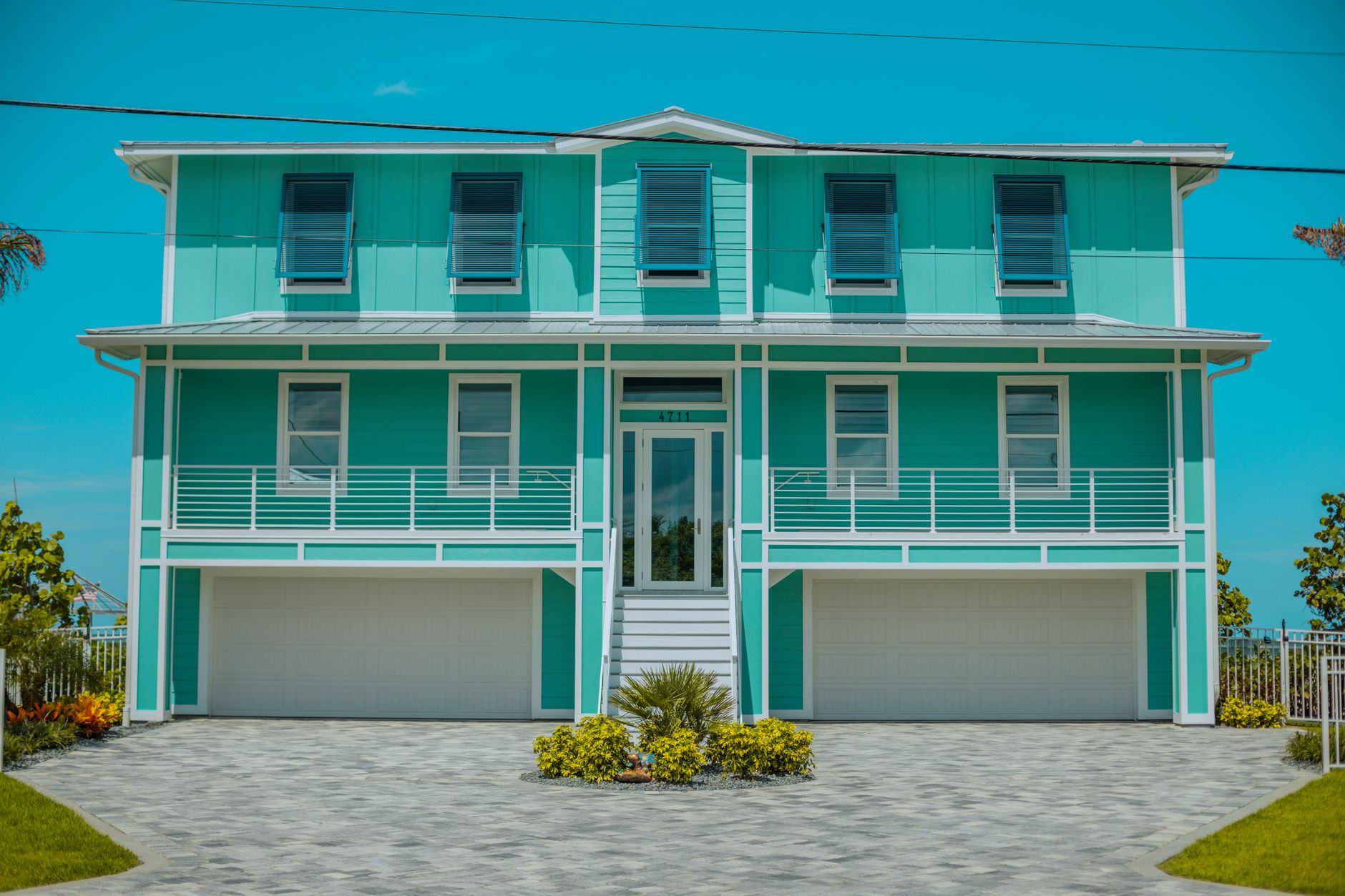
Mitigation remains the most direct lever available to individual homeowners. Elevating a structure above base flood elevation can qualify a property for lower NFIP premiums, and some communities that participate in FEMA’s Community Rating System earn additional discounts for local flood management measures. But these paths require capital, time, and local government coordination that not every coastal community can mobilize. The municipalities that need premium relief the fastest are often the ones with the least administrative and financial capacity to pursue it.
The underlying question – whether coastal homeownership at current density levels remains economically viable in an environment of actuarially priced flood risk – does not have a comfortable answer. Some coastal real estate markets have so far absorbed the premium increases without significant price corrections, supported by strong demand and limited supply. Others are beginning to show the early signs of value softening that insurance analysts associate with insurance-driven affordability constraints. Whether those signs spread from the most vulnerable markets to broader coastal corridors depends in part on the next major storm season – a factor no policy reform can control.
Frequently Asked Questions
Why are flood insurance premiums rising so sharply for coastal homeowners?
FEMA’s Risk Rating 2.0 methodology, introduced in 2021, replaced flat flood-zone pricing with property-specific risk calculations, correcting decades of underpricing and pushing many coastal premiums sharply higher.
Can homeowners lower their flood insurance premiums under the new system?
Yes – elevating a structure above base flood elevation and living in a community that participates in FEMA’s Community Rating System can qualify a property for meaningful premium discounts.