




Author: Hugo Stern


Egg carton shortages are disrupting school lunch supply chains, forcing districts to swap fresh eggs for pricier processed substitutes and straining already tight nutrition budgets.

USPS delivery slowdowns are disrupting mail-order pharmacy access for rural patients who depend on postal prescriptions as their only viable option.

State Medicaid audits are targeting hospital staffing agency markups, uncovering hidden costs that may have inflated public healthcare spending for years.
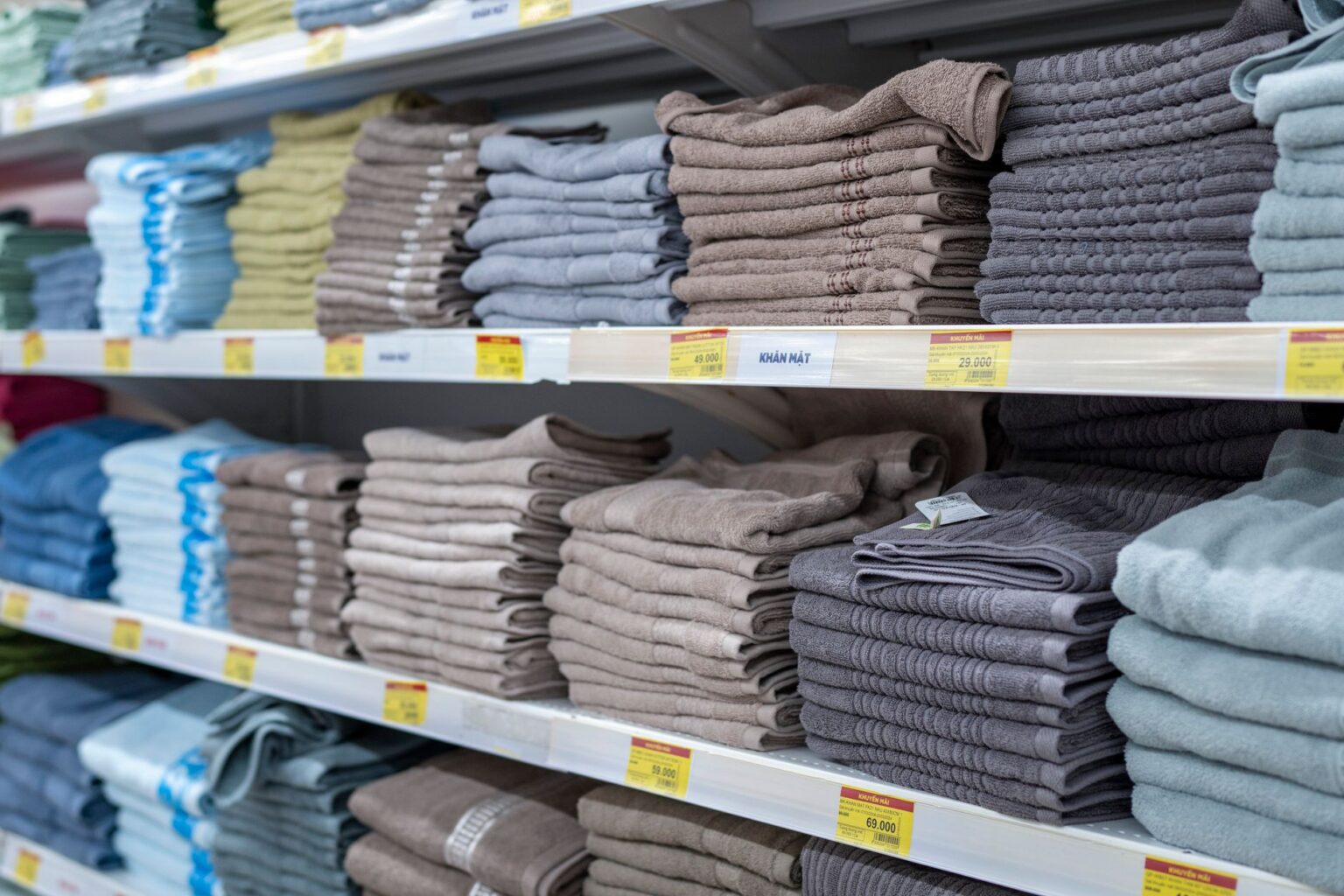
Rising Dollar General foot traffic in rural and low-income areas signals growing recession pressure on Main Street households long before official data catches up.

Federal worker buyouts are pushing thousands of former government employees onto state unemployment rolls, creating fiscal and eligibility complications that states weren’t prepared to handle.
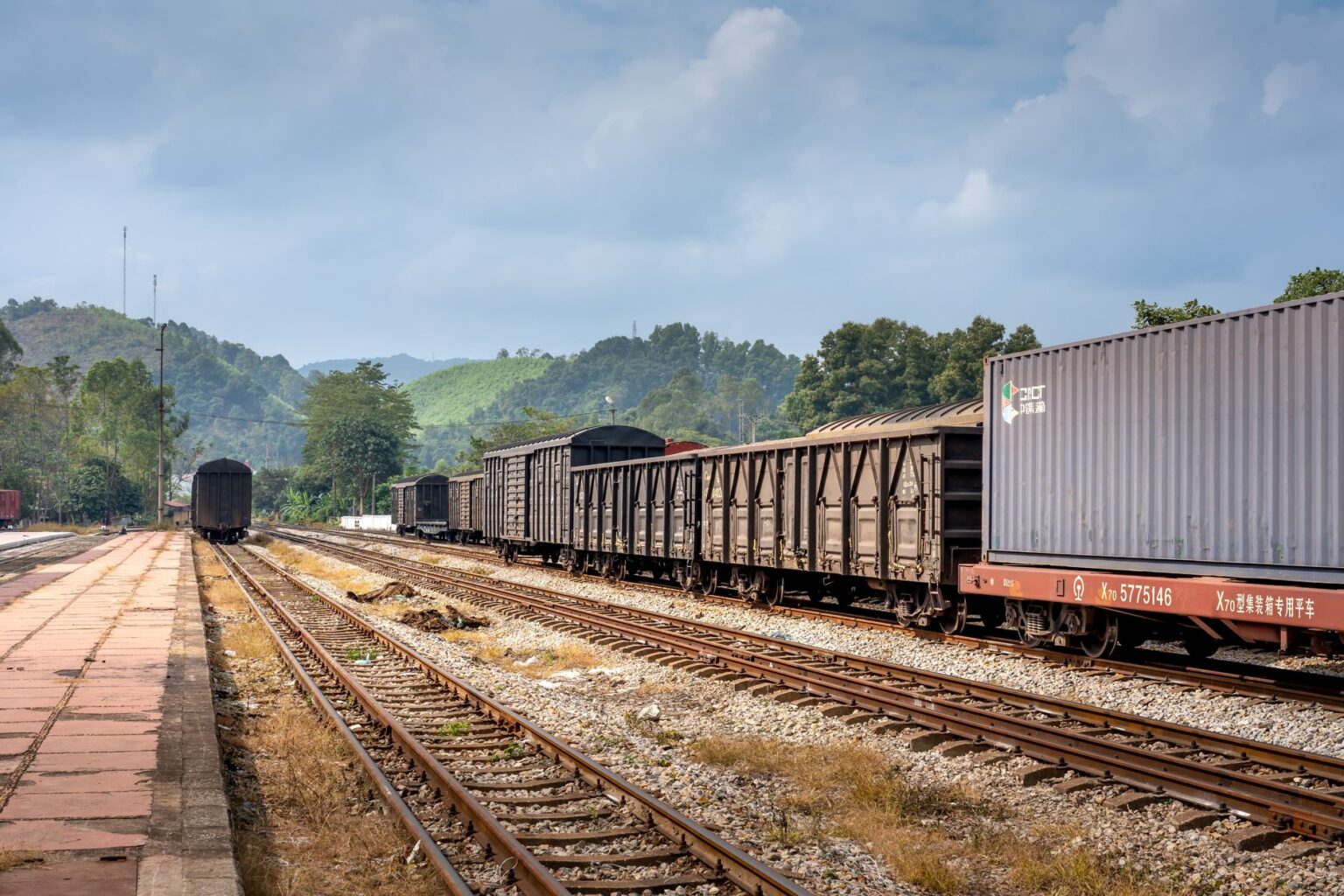
Freight rail intermodal volumes are slipping as contract negotiations between shippers and carriers stall over rates, service reliability, and uncertain goods demand.

DaVita and Fresenius control roughly 70% of U.S. dialysis centers. As independent clinics close, Medicare patients face fewer choices and longer travel times.
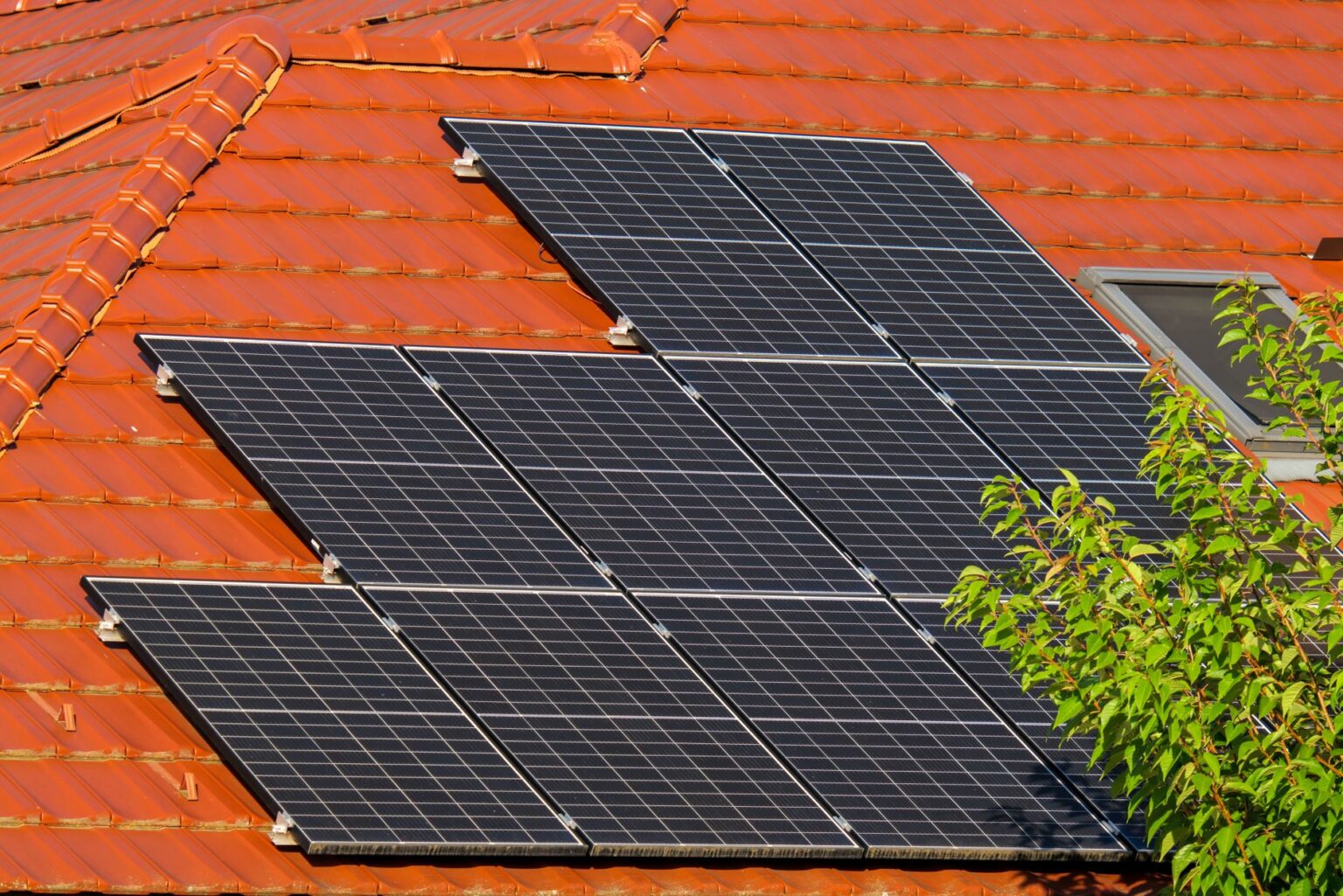
Solar installer bankruptcies are rising as the ITC step-down squeezes margins, leaving workers, customers, and suppliers exposed across residential markets.

Community bank mergers are cutting off small business credit as larger acquirers impose stricter standards and drop small-dollar loans. Here’s what’s driving it.

As bank branches retreat from low-income areas, payday lenders and check cashers move in – and the economics of why explain why the cycle keeps repeating.