



Top Stories
Rising Dollar General foot traffic in rural and low-income areas signals growing recession pressure on Main Street households long before official data catches up.







Egg carton shortages are disrupting school lunch supply chains, forcing districts to swap fresh eggs for pricier processed substitutes and straining already tight nutrition budgets.

USPS delivery slowdowns are disrupting mail-order pharmacy access for rural patients who depend on postal prescriptions as their only viable option.

State Medicaid audits are targeting hospital staffing agency markups, uncovering hidden costs that may have inflated public healthcare spending for years.

Private credit funds have raised over $1.4 trillion, displacing banks as middle-market companies seek faster, more flexible financing solutions.




Community bank mergers are cutting off small business credit as larger acquirers impose stricter standards and drop small-dollar loans. Here’s what’s driving it.

As bank branches retreat from low-income areas, payday lenders and check cashers move in – and the economics of why explain why the cycle keeps repeating.

Auto insurance premiums are rising faster than wages, pushing low-income drivers toward uninsured risk or complete loss of mobility. Here is why the crisis is deepening.

Retail pharmacy closures are stripping urban neighborhoods of both medical access and informal food sources, deepening existing food deserts in ways official maps fail to capture.

Municipal bond downgrades are quietly clustering in shrinking Midwest cities as population loss, eroding tax bases, and pension liabilities create compounding fiscal stress that rating agencies are formally documenting.

PBM reform laws are compressing specialty drug margins, hitting independent pharmacies hardest as spread pricing bans and rebate rules reshape the supply chain.

Used car loan defaults are climbing as borrowers trapped by negative equity find no exit. Here’s how extended terms and falling values created the spiral.

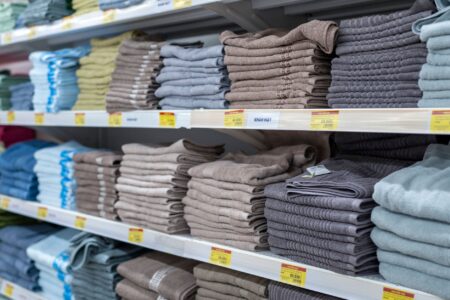
Store brands are capturing record grocery shelf space from national names. Retailers now control the shelf, the margin, and increasingly, consumer preference.