





The Quiet Business Behind Your Grocery Card
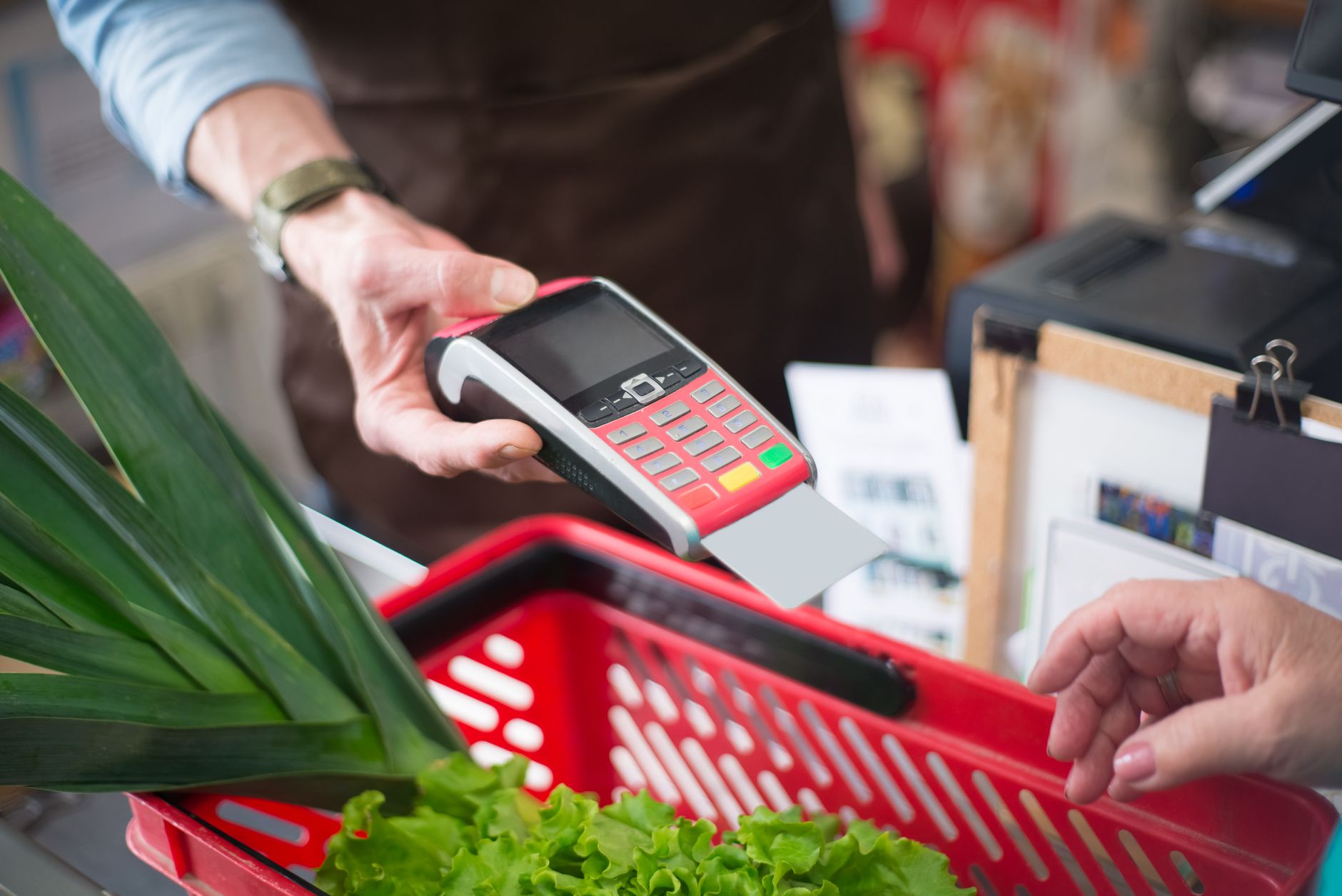
Every time a shopper scans a loyalty card at checkout, they generate a data point. Multiply that by tens of millions of weekly transactions across a national grocery chain, and the result is one of the most detailed consumer behavior datasets in existence – who bought what, at what price, in what neighborhood, on which day of the week. Grocers have held this asset for decades. What has changed is the infrastructure to monetize it, and the appetite among brands to pay for access.
Retail media networks – advertising platforms built directly on top of retailer-owned data – have become a fast-growing business line for grocery chains, warehouse clubs, and pharmacy retailers alike. These networks allow consumer packaged goods brands, and increasingly non-endemic advertisers like financial services and auto companies, to buy ads targeted using purchase history data that no third-party platform can replicate. The loyalty program is the engine underneath all of it.
How Loyalty Data Becomes Ad Inventory
The structure is straightforward. A shopper joins a loyalty program to access discounts and accumulates points. In exchange, the retailer logs every purchase to a persistent profile tied to a phone number, email address, or card. That profile, stripped of obvious identifiers but still highly specific, becomes the targeting layer for a retailer’s advertising business. A brand selling yogurt can buy placements that reach only households that have purchased competing yogurt in the past 90 days. No other ad channel offers that precision.
Loyalty program sign-up rates at major grocery chains are high enough that the data is not a sample – it represents the near-complete purchase behavior of a retailer’s customer base. That completeness is what makes the data valuable. A brand is not modeling behavior from a panel study; it is buying access to the actual transaction record. The closed-loop nature of the system also lets advertisers measure whether an ad produced a real sale, something digital advertising has struggled to prove for years.
Grocery chains earn revenue from this in two primary ways. The first is selling on-site ad placements – sponsored product listings on the retailer’s app or website, targeted using loyalty data. The second, and more controversial, is selling data access or audience segments to brands and their agencies for use on off-site platforms. A shopper’s behavioral profile can follow them to connected TV, social media, and programmatic display ads, all traced back to what they put in their cart last Tuesday.
What Shoppers Agreed To – And What They Probably Did Not Read
The legal basis for all of this sits in loyalty program terms of service, which shoppers accept when they sign up. Those agreements typically include language permitting the retailer to share aggregated and de-identified data with third parties for marketing purposes. The definition of “de-identified” varies, and regulators in several states have started examining whether behavioral profiles tied to persistent device IDs or hashed email addresses truly meet that standard. California’s privacy law has prompted some retailers to add opt-out mechanisms, but enrollment in loyalty programs remains high even where opt-outs are available, partly because the discount incentive is real and the data trade-off is abstract.
The gap between what shoppers understand they are agreeing to and what is actually happening is wide. Most people think of a loyalty card as a coupon system. The retailer thinks of it as a media business asset.

The Money Flowing Through Retail Media
Grocery retail media has attracted serious brand advertising budgets for a specific reason: it sits at the bottom of the purchase funnel. A consumer packaged goods brand advertising on a search engine or social platform is hoping to influence a decision that will happen later. A brand advertising inside a grocery app or on a retailer’s website is reaching a shopper who is already in buying mode, often mid-session. That proximity to purchase is worth a premium, and brands are paying it.
The competitive dynamic has pushed grocery chains to invest heavily in their media network infrastructure. Building a self-serve ad platform, hiring ad sales teams, and developing measurement tools is expensive – it requires technology and talent that did not previously exist inside a grocery business. Larger chains have the transaction volume to justify that investment. Regional grocers, who cannot build the scale on their own, are beginning to aggregate through third-party retail media platforms that pool shopper data across multiple chains, raising additional questions about how broadly purchase-level data gets distributed.
Non-endemic advertisers are where the business gets particularly interesting. A car brand, a bank, or a streaming service cannot advertise “on-site” inside a grocery app in any meaningful way – their products are not on the shelves. But they can buy grocery loyalty data as an audience targeting signal and use it off-site. Knowing that a household regularly buys premium cuts of meat, expensive wine, and organic produce is useful to a luxury car advertiser even though none of those items are cars. Grocery data has become a proxy for income and lifestyle in ways that credit card data or social media behavior cannot capture as cleanly.
The brands spending most aggressively in this space are the large consumer packaged goods companies – companies that have watched their traditional trade promotion budgets (the slotting fees and circular ads that have funded grocery chain margins for generations) migrate toward retail media formats where the return is measurable. For grocers, that migration is strategically important: advertising revenue carries margins far above what groceries themselves generate. A retail media dollar does not require refrigeration, spoils nothing, and does not need to be trucked anywhere. That math is why grocery chains are talking about their ad businesses in earnings calls at all – and why the loyalty card in your wallet is worth considerably more to the retailer than the points it earns you.