




A Flock in Recovery, and a Market Still on Edge
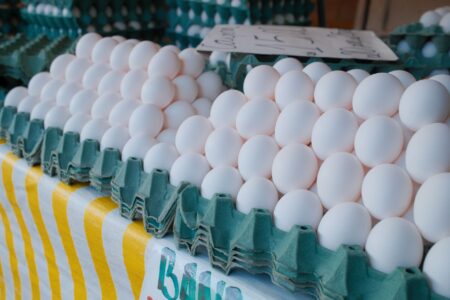
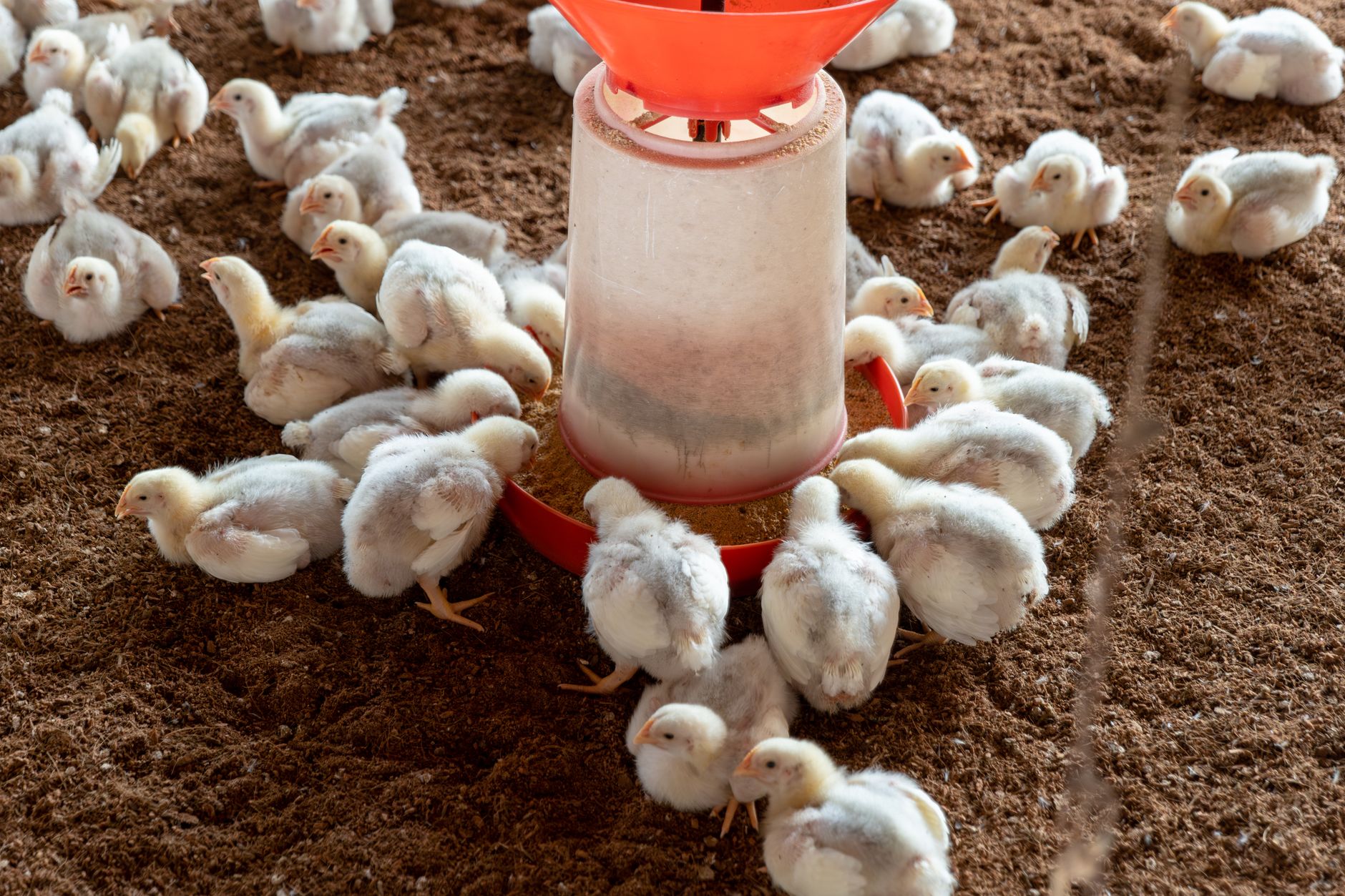
America’s commercial egg-laying flock is growing again, but the numbers mask just how fragile that recovery is. After avian influenza tore through poultry operations across the country and forced the culling of tens of millions of birds, producers are repopulating their barns with young hens – a process that moves on biology’s timeline, not the market’s. Pullets, the young female chickens that will eventually lay eggs, take roughly five to six months to reach laying age after hatching. That delay is baked into every recovery forecast, no matter how optimistic the headlines sound.
The math is unforgiving.
When a flock is wiped out by a highly pathogenic strain of the virus, operators cannot simply order a replacement overnight. They source pullets from hatcheries, wait out the maturation period, manage biosecurity protocols that have grown significantly more stringent since the last major outbreak, and then hope no new case surfaces in their county before their hens ever lay a single egg. Each step in that chain represents a potential delay, a cost, or a setback.
Why the Rebuild Is Taking Longer Than Expected
The current recovery cycle has moved more slowly than many in the industry anticipated, and biosecurity requirements are a major reason. State and federal agriculture agencies now require extended waiting periods before depopulated barns can be restocked, sometimes demanding multiple rounds of testing and cleaning before a single pullet can enter the facility. These rules exist for good reason – reintroducing birds to a contaminated environment would be catastrophic – but they extend the recovery timeline well beyond what producers experienced in previous disease cycles.
Geography adds another layer of complexity. Avian flu does not strike evenly. Certain flyways – the migratory routes that wild birds travel across North America – run directly through major egg-producing states like Iowa, Minnesota, and Ohio. Wild waterfowl are the primary carriers of highly pathogenic H5N1, and their movement patterns mean that producers in those corridors face a recurring seasonal threat every spring and fall migration. A barn repopulated in January could theoretically face exposure again by March. That risk calculus shapes how aggressively producers are willing to restock.
Smaller independent operations are feeling the squeeze more acutely than large integrated producers. A family-run egg farm operating a single barn of 30,000 hens does not have the capital reserves or the insurance coverage to absorb multiple back-to-back losses. Several smaller producers in Midwest states have quietly exited the industry rather than attempt another rebuild, further concentrating egg production among large commercial operators. That consolidation may help stabilize supply chains in the near term, but it reduces the redundancy the system relies on when a major outbreak hits a large-scale facility.

Price Pressures That Linger Long After the Headlines Fade
Egg prices have remained elevated and volatile long after the worst outbreak headlines faded from the news cycle. Egg price volatility has rattled food service operators nationwide, forcing restaurants and institutional buyers to renegotiate contracts, reformulate menus, and in some cases absorb losses rather than pass the full cost to consumers. The instability is not simply a function of short supply. It is also a product of purchasing behavior: buyers who were burned by sudden shortages are now carrying larger inventory buffers, which can amplify price swings in both directions when supply shifts unexpectedly.
Feed costs have not helped. Corn and soybean meal – the two primary inputs in commercial layer feed – have their own price volatility tied to weather patterns, export demand, and energy prices. A producer rebuilding a flock is simultaneously managing the cost of sourcing pullets, maintaining heightened biosecurity, paying for feed at elevated prices, and waiting out months during which no egg revenue is coming in. The margin structure during a repopulation period is brutal, and lenders have become more cautious about extending credit to operations in outbreak-affected regions.
Consumer demand, meanwhile, has not softened enough to provide natural relief. Eggs remain one of the most affordable sources of protein per gram in the American diet, and demand held remarkably firm even as retail prices hit record highs during peak outbreak periods. That demand resilience is good news for producers who survive long enough to get their flocks back into production. But it also means price pressure on consumers is not self-correcting the way it might in a category where buyers readily switch to substitutes.
The Risk That Never Fully Goes Away
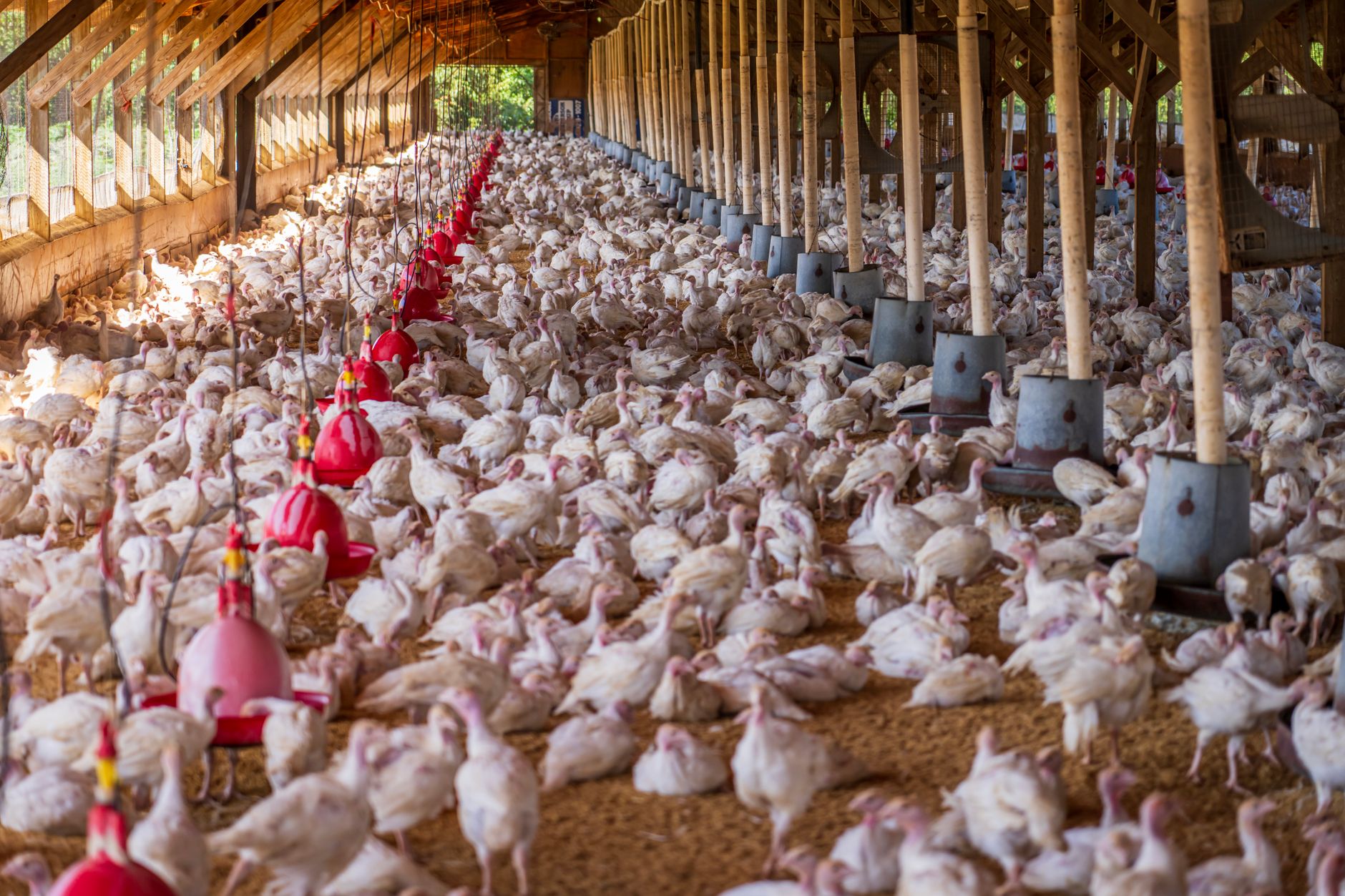
Even as flock numbers inch back toward pre-outbreak levels, the avian flu threat has not been neutralized. The H5N1 strain circulating in North American wild bird populations is now considered endemic in certain migratory species, which means producers cannot simply wait for the virus to disappear – they are managing a permanent biological hazard with seasonal peaks. USDA monitoring programs continue to detect positive cases in commercial flocks at a pace that keeps biosecurity spending elevated and recovery confidence limited. Until wild bird reservoirs are better understood and controlled, every repopulated barn carries a probability – however small on any given day – of catastrophic loss.