





When the Chip Orders Stop Coming
Semiconductor manufacturers built their production capacity around a version of demand that no longer exists. The frantic ordering cycles of 2020 through 2022 – driven by pandemic-era electronics consumption, automotive chip shortages, and data center buildouts – created a false floor under chipmaker revenue projections. When that demand softened, the factories kept running, and warehouses filled up with inventory that customers had no immediate need to absorb.
That overhang has not cleared cleanly.
Across the industry, chipmakers serving consumer electronics, industrial automation, and communications infrastructure are sitting on elevated inventory levels that are compressing their pricing power and squeezing gross margins. The correction that was supposed to work itself out by late 2024 has stretched, and forward guidance from multiple segments of the supply chain now signals continued pressure well into 2026. The AI-driven demand for high-bandwidth memory and advanced logic chips has provided some cover, but it masks a more complicated picture in the broader market.
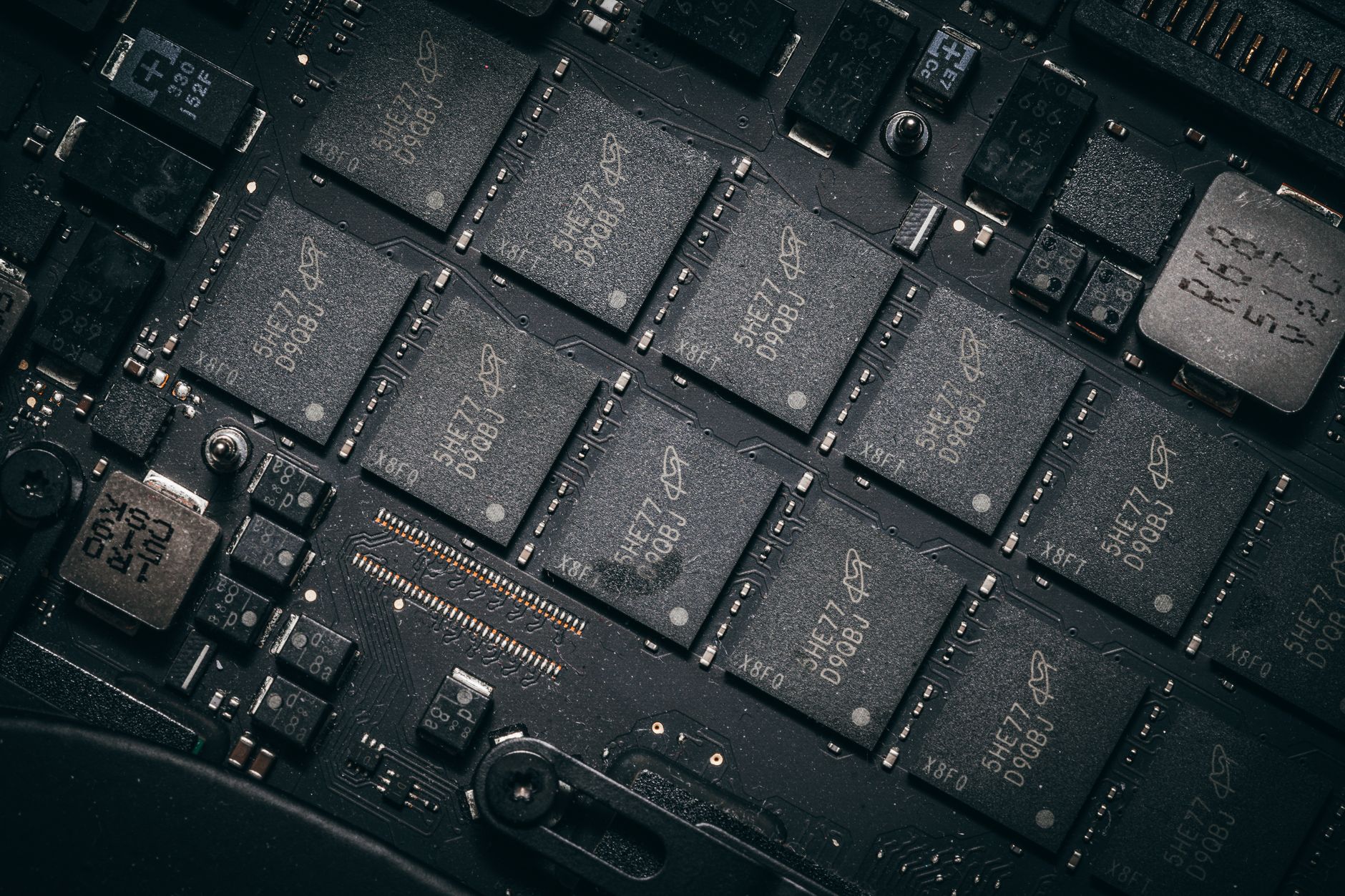
Where the Glut Sits Heaviest
Not all chip categories are suffering equally. The inventory problem is most severe in mature-node semiconductors – the chips built on older process technology that power appliances, automobiles, industrial controls, and low-to-mid range consumer devices. These segments saw massive capacity expansion during the shortage years, with foundries racing to bring legacy nodes back online. That capacity is now struggling to find buyers at prices that justify the investment.
The automotive sector offers a sharp illustration. Carmakers who spent years screaming about chip shortages responded by dramatically expanding their order books and dual-sourcing aggressively. When vehicle demand softened and electric vehicle adoption slowed below optimistic forecasts, those expanded orders became excess inventory sitting on automotive tier-one suppliers’ shelves. Chipmakers serving that vertical are now being asked to renegotiate pricing or accept deferred delivery schedules – both of which punish near-term revenue recognition.
Industrial automation tells a similar story. Capital expenditure cycles in manufacturing tightened as interest rates stayed elevated longer than expected, delaying equipment orders that would have absorbed semiconductor supply. A factory that was supposed to upgrade its control systems in 2024 pushed that decision to 2025, then to 2026. Each deferral extends the period during which chipmakers hold unsold product or sell it at discounts to clear space for newer designs.
The Margin Math Is Getting Uncomfortable
Gross margin is where inventory gluts make their most direct impact. When chipmakers have to discount to move product, or when utilization rates at their fabs drop because orders have slowed, fixed manufacturing costs get spread across fewer units. The result is a gross margin compression that can be surprisingly steep, given how capital-intensive chip production is. A fab running at 70% utilization instead of 90% does not simply produce 20% less revenue – it produces a disproportionately larger hit to profitability because the overhead stays constant.
This dynamic is showing up across earnings calls from companies serving markets outside the AI accelerator space. Guidance cuts have become routine, and the language around inventory normalization has grown increasingly cautious. “Back half recovery” narratives that were common in 2023 have been quietly retired; the new framing involves acknowledging that the correction is taking longer than modeled, without committing to a specific timeline for margin recovery.
Pricing pressure compounds the utilization problem. When multiple suppliers are all carrying excess inventory of functionally similar products, customers gain significant negotiating leverage. Contract prices on legacy-node chips have fallen meaningfully from their shortage-era peaks. Some chipmakers have tried to hold price by accepting order deferrals rather than cutting, but that strategy only delays the recognition of the problem – it does not resolve it. The inventory is still there, the fixed costs are still accumulating, and the customer has no urgency to accelerate their purchasing schedule.
AI Spending Is Not the Universal Rescue
The narrative that AI infrastructure investment will lift the entire semiconductor industry obscures the fact that most chips are not going into AI servers. Demand for advanced GPUs, high-bandwidth memory, and cutting-edge logic from hyperscalers is real and growing. But those products represent a narrow slice of overall semiconductor unit volume. The vast majority of chips shipped globally go into devices and systems that have no direct connection to large language models or data center GPU clusters.
There is also a geographic dimension worth watching. Tariff pressures and supply chain restructuring have introduced uncertainty into procurement decisions across key end markets. Manufacturers uncertain about where their finished goods will be assembled or sold are reluctant to commit to component orders far in advance, which keeps chipmaker order visibility low and makes inventory management harder. The reshoring of certain manufacturing operations, while a longer-term structural story, has not yet produced the stable domestic demand pipeline that might absorb semiconductor supply.

The pressure on chipmaker margins heading into 2026 is not a crisis of technology or product quality. The chips exist, the customers will eventually need them, and the industry’s long-term growth trajectory is intact. What is broken, for now, is the timing – and in semiconductors, timing is everything. Factories cannot simply pause between orders and restart cleanly. Every quarter of underutilization has a compounding cost, and the longer the inventory correction drags on, the more difficult it becomes to justify the next round of capacity investment that the industry will absolutely need when the next demand surge arrives.
The Outlook for 2025 Into 2026
Recovery timing will depend heavily on how quickly downstream inventory burns through at the customer level. Until distributors, OEMs, and contract manufacturers deplete what they are currently holding, chipmakers face a ceiling on both volume and price. Consumer electronics shows tentative signs of restocking interest, particularly in markets where smartphone replacement cycles have extended unusually long. But automotive and industrial – the two segments with the deepest inventory hangovers – look unlikely to normalize before mid-to-late 2026 by most production schedule estimates.
Capital allocation decisions are already reflecting this reality. Several chipmakers have announced reduced capital expenditure plans or deferred equipment orders, trying to bring capacity expansion in line with actual demand rather than aspirational demand. That restraint makes financial sense in the short term, but it creates its own risk: if demand recovers faster than expected, the industry could find itself undersupplied again, having cut capacity during the trough.
The chip industry has run this cycle before – overbuilds followed by painful corrections followed by new shortages. What makes the current episode notable is that it is playing out simultaneously with a massive, concentrated investment boom in AI infrastructure, creating two very different chip markets operating under opposite conditions at the same time. The companies fortunate enough to be supplying the AI side of that divide are posting record margins. Everyone else is quietly cutting guidance and hoping the calendar moves faster than their inventory levels.
Frequently Asked Questions
Why is the semiconductor inventory glut lasting so long?
Capacity built during the 2020-2022 shortage era continues to outpace demand in legacy-node segments, while automotive and industrial customers pushed purchasing decisions further out as their own end markets softened.
Which chip segments are most affected by the inventory overhang?
Mature-node semiconductors serving automotive, industrial automation, and consumer electronics face the steepest pressure, while AI-related chips for data centers remain in strong demand.