




Top Stories

Medicaid unwinding has quietly shifted fiscal pressure onto rural county general assistance budgets, straining thin local safety nets with no federal backstop or relief mechanism in sight.







Emergency Housing Voucher funding has lapsed, sending rental assistance waitlists soaring as housing authorities struggle to absorb demand with frozen permanent program capacity.

Food bank donation volumes are falling as middle-class donors pull back amid rising costs, while demand from first-time visitors continues to grow.

Credit unions face mounting pressure as member deposits flow toward higher-yield alternatives, straining the nonprofit lending model at its core.

Private credit funds have raised over $1.4 trillion, displacing banks as middle-market companies seek faster, more flexible financing solutions.




Municipal bond downgrades are quietly clustering in shrinking Midwest cities as population loss, eroding tax bases, and pension liabilities create compounding fiscal stress that rating agencies are formally documenting.

PBM reform laws are compressing specialty drug margins, hitting independent pharmacies hardest as spread pricing bans and rebate rules reshape the supply chain.
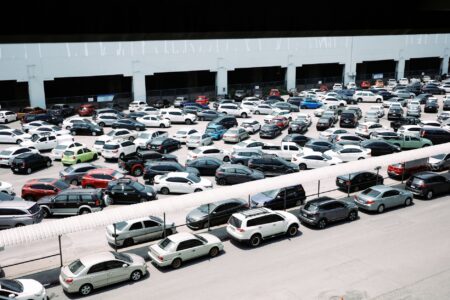
Used car loan defaults are climbing as borrowers trapped by negative equity find no exit. Here’s how extended terms and falling values created the spiral.

Store brands are capturing record grocery shelf space from national names. Retailers now control the shelf, the margin, and increasingly, consumer preference.
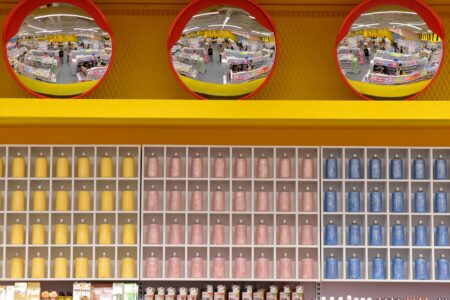
Warehouse club membership fees have quietly become fixed household budget items, driven by grocery inflation and expanding member benefits that make the annual cost hard to cancel.
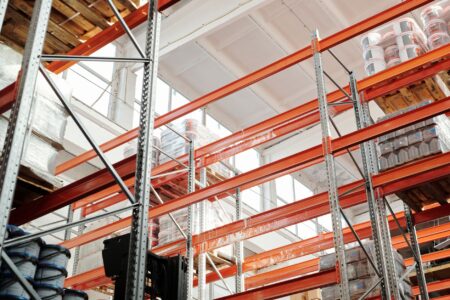
A rising tide of warehouse sublease listings signals the industrial real estate market has cooled sharply from its pandemic-era peak, squeezing landlords and reshaping tenant leverage.

Trucking spot rates have collapsed below operating costs for many regional carriers, creating survival pressure through margin compression, rising fixed costs, and shrinking freight volumes.

Retail foot traffic is falling across brick-and-mortar categories as consumer confidence retreats, leaving stores under-trafficked and over-leased with no easy fix in sight.