





Airlines across the globe are transforming idled passenger jets into dedicated cargo haulers, a tactical shift born from travel restrictions but now becoming a permanent revenue strategy. What started as emergency pandemic measures has evolved into calculated business decisions, with carriers discovering that freight operations can generate higher margins than traditional passenger services on many routes.
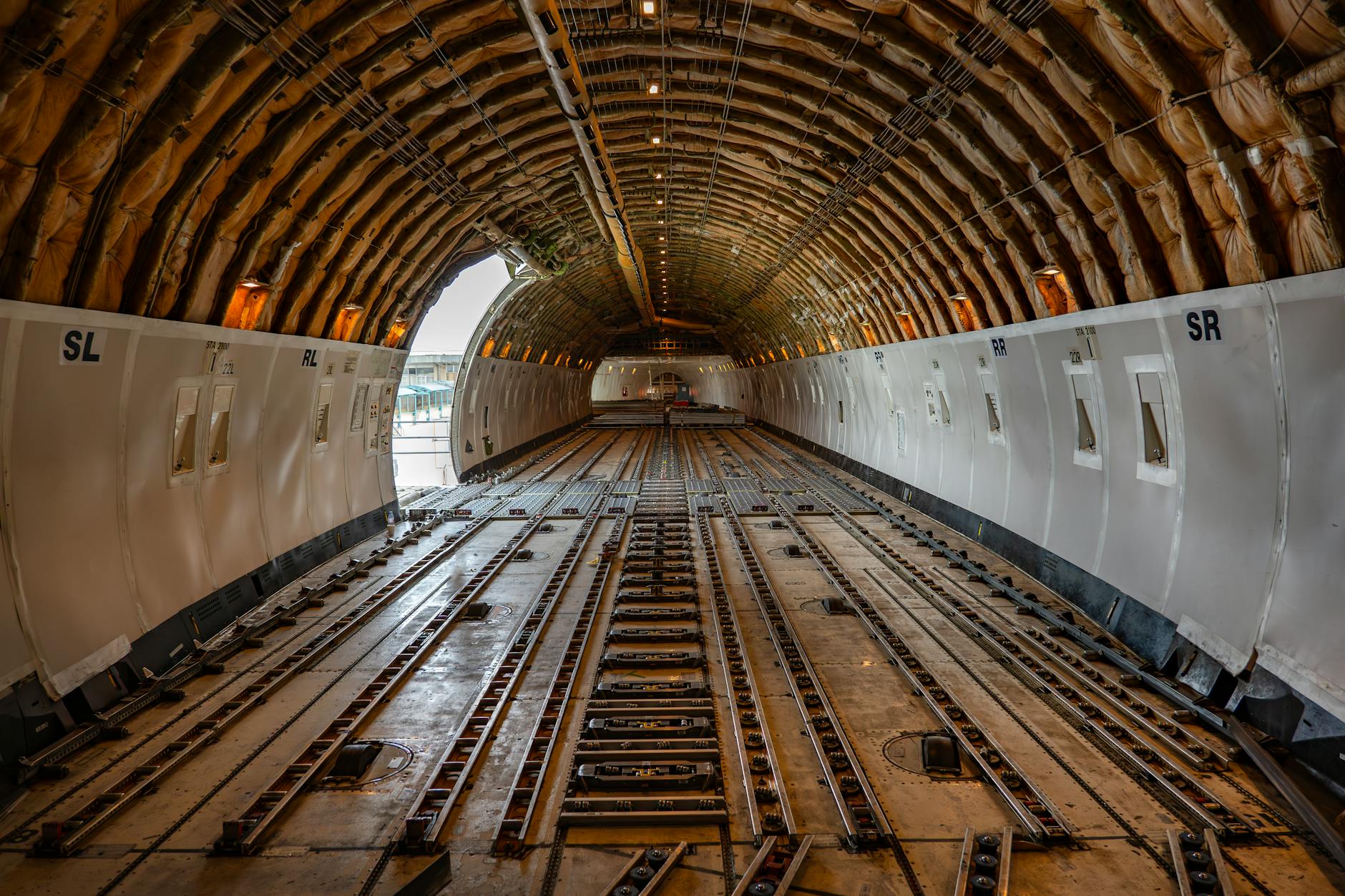
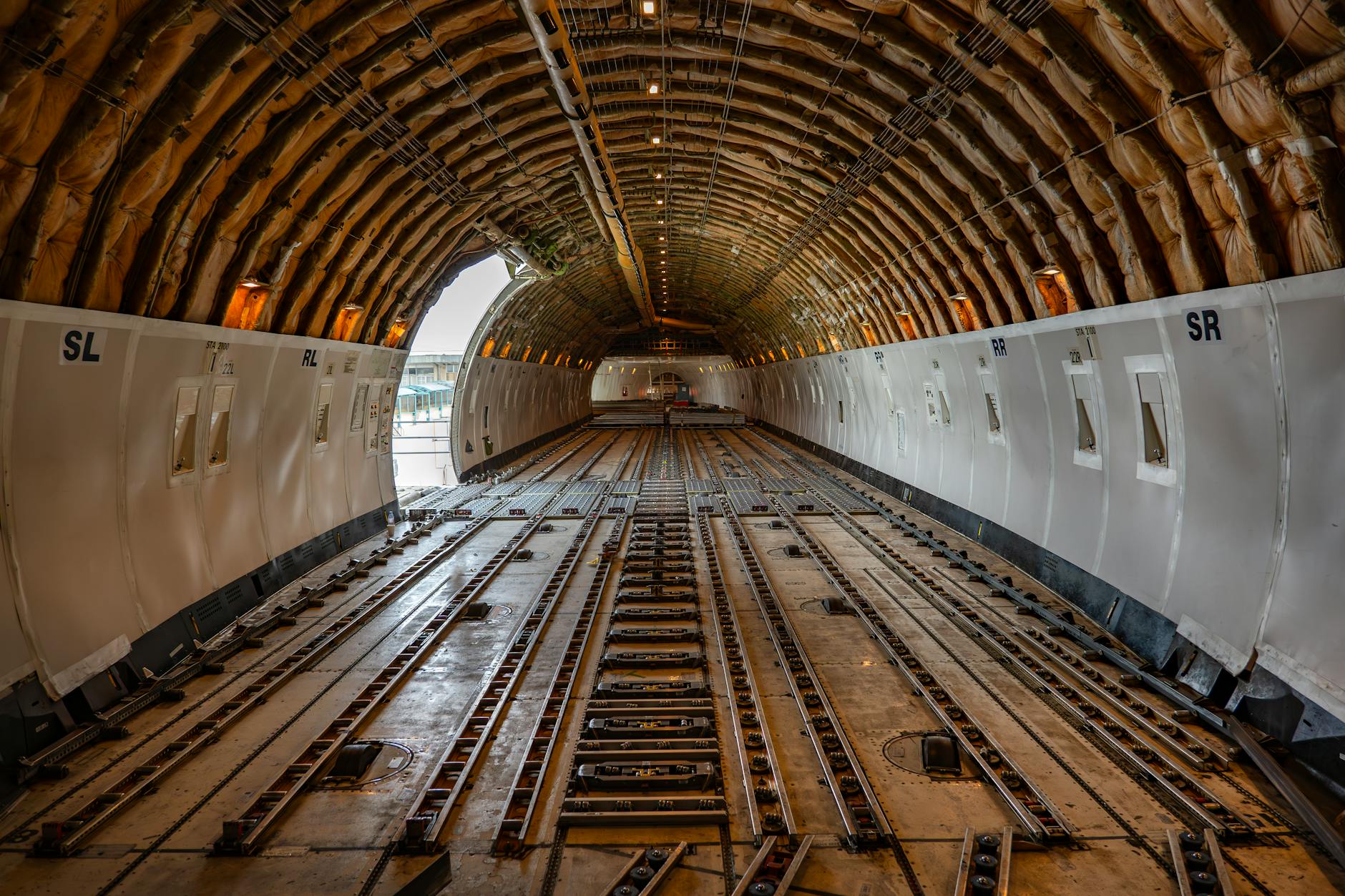
The conversion process strips aircraft interiors down to bare metal, removing seats, galleys, and passenger amenities to maximize cargo space. Wide-body jets like Boeing 777s and Airbus A330s prove most suitable for these modifications, offering cargo holds that can accommodate everything from medical supplies to automotive parts. Airlines report that converted passenger aircraft can carry 30-40% more freight than their original belly cargo capacity when passenger seats occupied the cabin.
Financial Incentives Drive Permanent Changes
The economics behind these conversions reveal why airlines view cargo operations as more than stopgap measures. Freight rates have increased substantially since 2020, with some routes commanding prices three times higher than pre-pandemic levels. Air cargo yields remain elevated due to ongoing supply chain disruptions and the continued preference for faster shipping across global trade networks.
Converting a single wide-body aircraft typically costs between $1.5 million and $3 million, depending on the extent of modifications required. Airlines can recoup these investments within 18-24 months through dedicated freight contracts, particularly on high-demand routes between manufacturing hubs in Asia and consumer markets in North America and Europe.
Technical Modifications and Regulatory Hurdles
The conversion process involves more than removing seats and installing cargo restraint systems. Aircraft require new floor reinforcements to handle concentrated freight loads that differ significantly from distributed passenger weight. Cargo loading systems must be installed or upgraded, and aircraft certification requires extensive documentation proving structural integrity under new load conditions.
Aviation authorities mandate specific safety equipment for cargo-only operations, including enhanced fire suppression systems and modified emergency procedures. Pilots need additional training for cargo aircraft operations, as weight and balance calculations become more complex with varying freight loads. Some airlines partner with specialized conversion companies that handle certification paperwork and technical modifications.
Flight crews must also adapt to different operational procedures, including pre-flight cargo inspection requirements and altered emergency protocols. The Federal Aviation Administration and European Union Aviation Safety Agency have streamlined some certification processes for passenger-to-cargo conversions, recognizing the economic importance of maintaining air freight capacity.

Maintenance schedules change significantly for cargo-only aircraft, as freight operations typically involve more frequent takeoffs and landings than long-haul passenger routes. Airlines must factor these increased maintenance costs into their conversion economics, though cargo operations often generate more predictable revenue streams than volatile passenger demand.
Market Response and Route Strategy
Airlines are deploying converted aircraft on routes where cargo demand consistently exceeds passenger travel, particularly connections between manufacturing centers and distribution hubs. Trans-Pacific routes have proven especially profitable, with electronics and automotive components requiring expedited shipping between Asia and North American markets.
Some carriers are forming partnerships with logistics companies to guarantee cargo volumes, providing revenue stability that passenger operations rarely achieve. These contracts often span multiple years, giving airlines confidence to invest in permanent conversions rather than temporary modifications.
Long-term Industry Implications
The shift toward dedicated cargo operations represents a fundamental change in airline fleet planning strategies. Carriers that historically viewed freight as supplementary revenue now treat cargo capacity as a primary business line. This transition affects aircraft purchase decisions, with some airlines specifically acquiring older passenger jets for conversion rather than retirement.
Regional airports benefit from increased cargo flights, as converted passenger aircraft can access shorter runways that traditional freight planes cannot use. This expanded network gives airlines flexibility to serve markets that dedicated cargo carriers avoid due to infrastructure limitations.
The trend challenges traditional airline business models built around passenger services, with some carriers discovering that cargo operations require fewer staff and generate more consistent profits. While passenger travel will eventually recover, airlines that have successfully integrated cargo operations into their core strategies may maintain these converted aircraft indefinitely, fundamentally altering the composition of global airline fleets.