





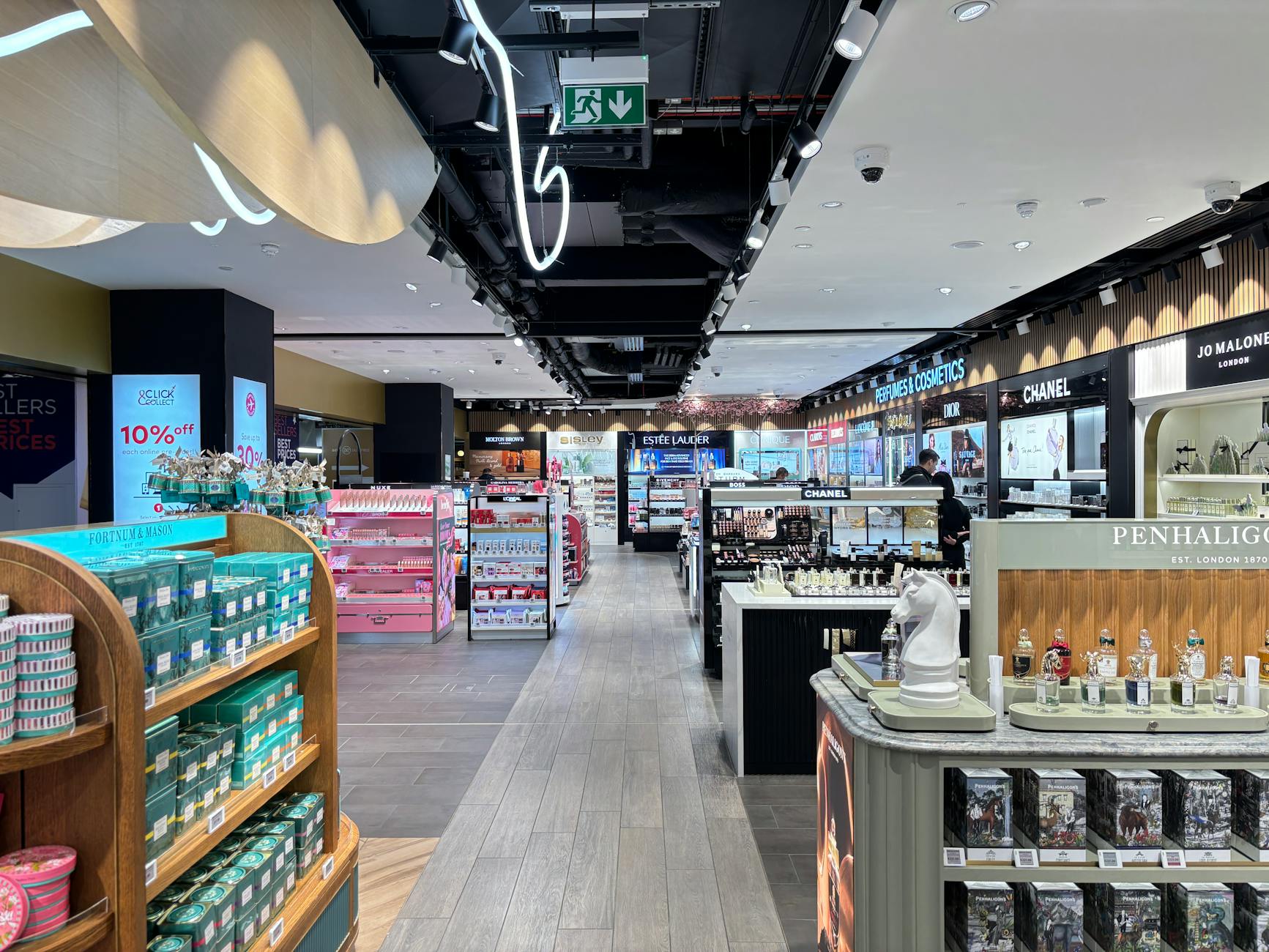
Department stores across the country are quietly dismantling their traditional beauty counters and installing basic health screening stations in their place. What started as a handful of pilot programs has expanded into a broader retail strategy that transforms prime floor space into mini medical facilities offering blood pressure checks, basic vision screenings, and wellness consultations.
The shift represents a dramatic departure from decades of retail tradition. Beauty counters have long served as high-margin anchor points for department stores, generating significant revenue per square foot through cosmetics sales and fragrance purchases. Now that same space houses blood pressure cuffs, eye charts, and consultation desks staffed by licensed nurse practitioners.
Revenue Calculations Drive the Switch
The financial math behind this transition reveals why retailers are willing to abandon their beauty heritage. Traditional beauty counters require substantial inventory investments, trained sales staff, and constant product refreshes as brands launch new seasonal collections. Healthcare services, by contrast, generate consistent revenue streams with minimal overhead once the initial equipment investment is complete.
A single beauty counter might generate $200-300 per square foot annually after accounting for inventory costs, staff commissions, and brand partnership fees. The same space configured as a health screening station can produce $400-500 per square foot through service fees, insurance reimbursements, and partnerships with local healthcare networks. The margins are significantly higher since retailers don’t need to purchase and warehouse physical products.
Consumer Behavior Shifts Enable the Model
Shopping patterns have fundamentally changed how people use department store space. Customers increasingly research beauty products online and arrive with specific purchase intentions, spending less time browsing at counters and interacting with sales associates. The traditional model of counter consultations and product demonstrations has lost much of its effectiveness.
Meanwhile, healthcare accessibility concerns have created demand for convenient screening services. Many customers already visit department stores for routine errands and appreciate the ability to check their blood pressure or get a basic eye exam while shopping. The integration feels natural rather than forced, particularly in suburban locations where medical offices might require separate trips.
Store traffic data shows customers spend an average of 45 minutes in health screening areas compared to 12 minutes at traditional beauty counters. This extended engagement creates opportunities for additional retail purchases throughout the store. Customers getting health screenings often browse other departments while waiting for results or recommendations.
Healthcare partnerships provide another revenue stream that beauty brands rarely matched. Local hospital systems and urgent care networks pay rental fees to operate screening stations, while insurance companies reimburse for preventive services. This creates a more predictable income model compared to the seasonal fluctuations of cosmetics sales.
Implementation Challenges Surface
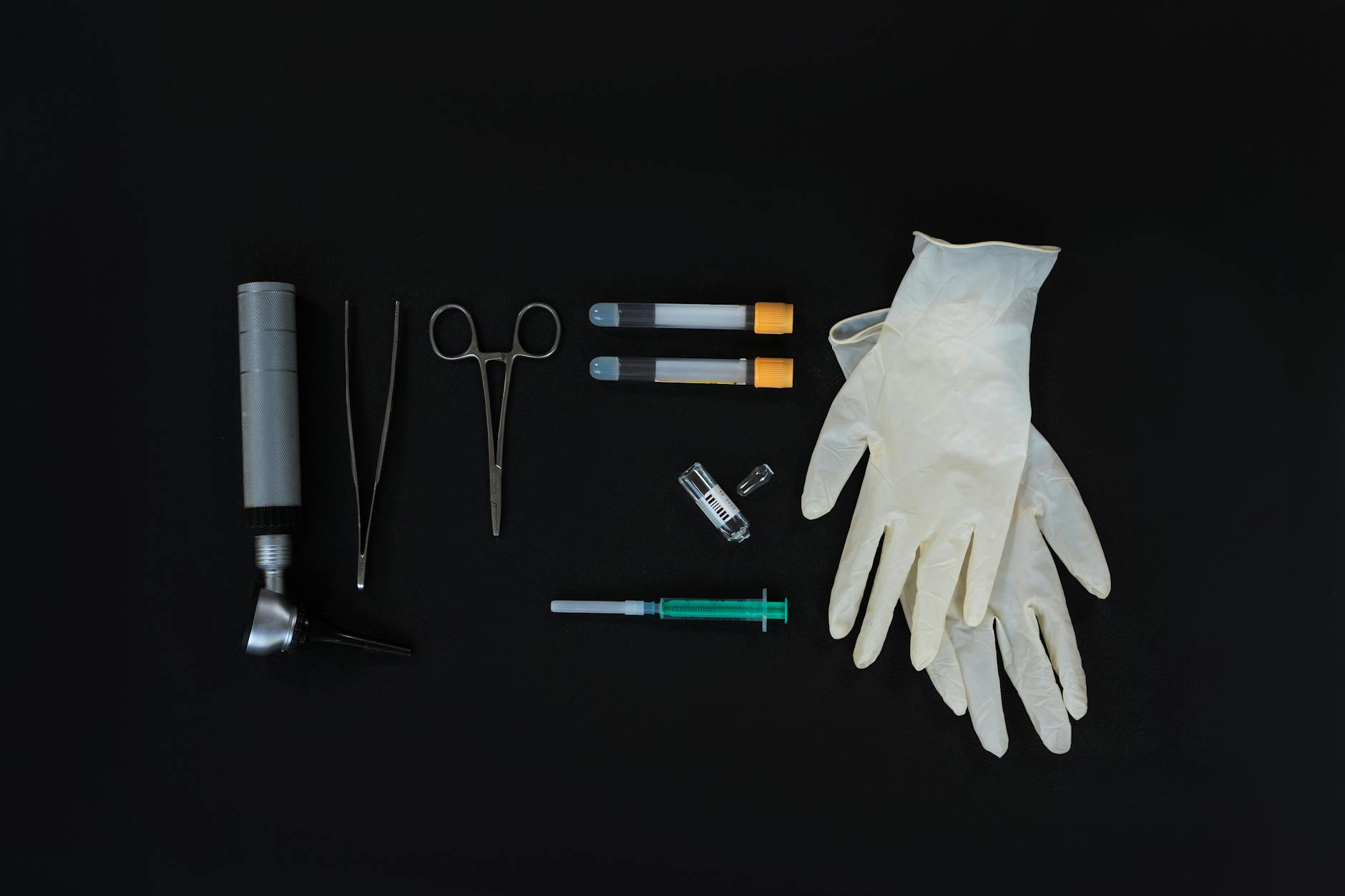
Converting beauty counters into health facilities requires significant regulatory compliance that cosmetics retail never demanded. State health departments must approve equipment installations, staff licensing requirements vary by location, and insurance liability coverage costs substantially more than traditional retail policies. The transition period often takes 6-8 months per location.
Staffing presents another complexity. Beauty counter associates possessed product knowledge and sales skills, while health screening stations require licensed medical professionals. The labor market for nurse practitioners and medical assistants operates differently than retail hiring, with higher wages and more specific scheduling requirements that don’t always align with store hours.
Long-term Implications Remain Unclear
The success of these conversions may depend heavily on healthcare reimbursement policies that could change with insurance industry shifts. If preventive screening coverage becomes less generous, the revenue model supporting these mini clinics could weaken substantially. Department stores would then face the challenge of reconverting spaces or finding alternative uses.
Customer acceptance varies significantly by demographic and region. Urban shoppers often embrace the convenience factor, while suburban customers sometimes express skepticism about receiving medical services in retail environments. The quality of care perception matters enormously for long-term viability.

Brand partnerships that once defined beauty counter relationships have no equivalent in healthcare retail. Cosmetics companies invested heavily in counter space, staff training, and exclusive product launches that created mutual dependencies between stores and brands. Healthcare services operate as more transactional relationships that could shift more easily between providers or locations.