





When the Rules Keep Changing, Manufacturers Stop Betting on Tomorrow
Tariff policy has become the single most disruptive variable in American manufacturing right now – not because tariffs themselves are new, but because the pace of change has made forward planning nearly impossible. When a company cannot reliably forecast its input costs three months out, the rational response is to stop relying on just-in-time supply chains and start hoarding. That is exactly what a growing number of domestic manufacturers are doing: building inventory buffers that would have seemed excessive two years ago.
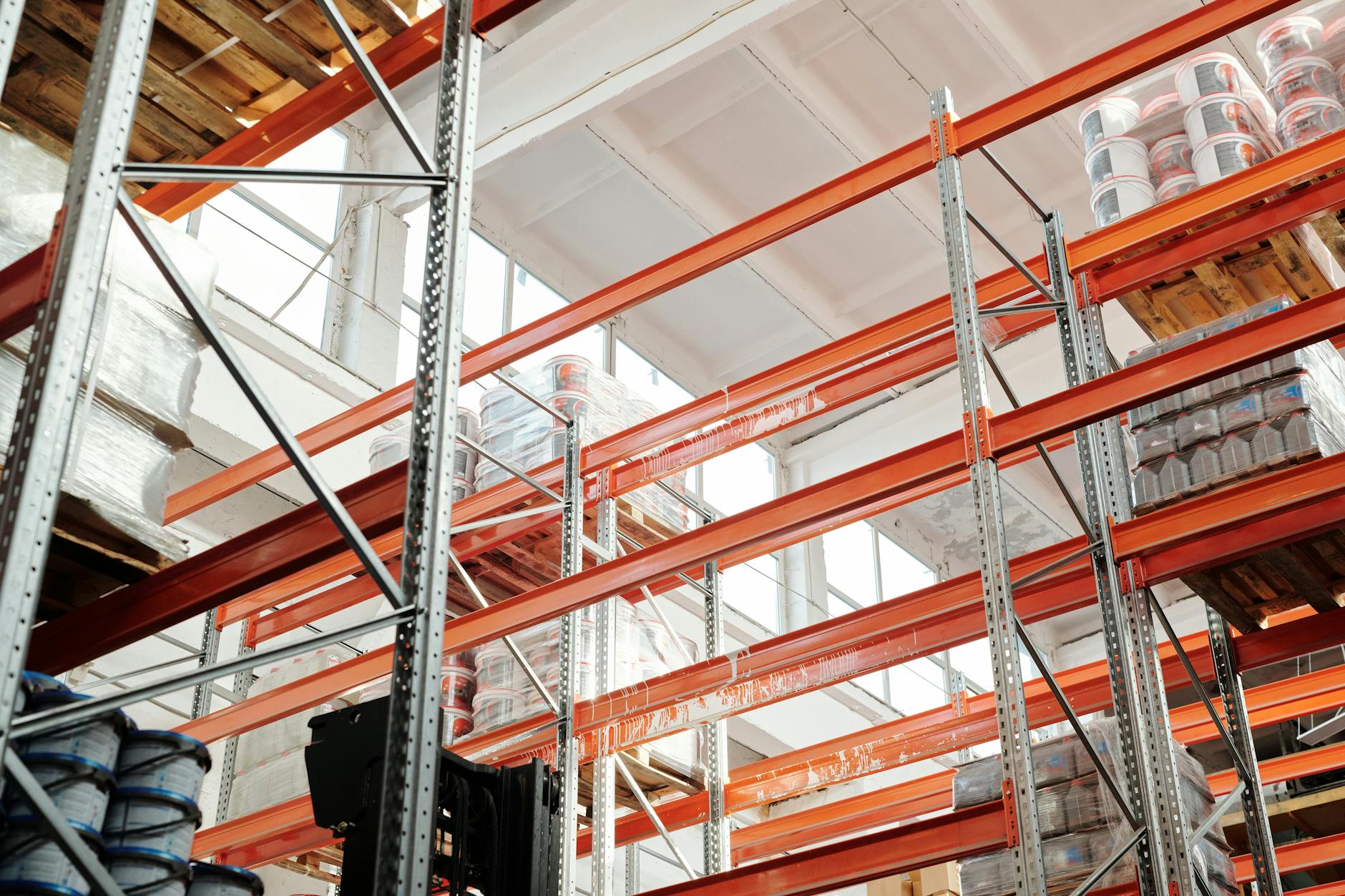
The stockpiling trend cuts across sectors – auto parts, electronics components, industrial machinery, consumer goods. Companies that spent the last decade trimming warehouse costs and optimizing supply chains are now reversing course, leasing storage space and placing orders well ahead of demand signals. The immediate financial logic is straightforward: if tariffs rise on imported goods, every unit already sitting in a domestic warehouse represents a sunk cost that bypasses that increase. The longer-term consequences are considerably more complicated.
The Supply Chain Math Behind the Surge
Just-in-time manufacturing – the model that defined lean operations for decades – was built on predictable trade costs. Materials arrive close to when they are needed, reducing capital tied up in inventory and shrinking storage overhead. That model works beautifully when the cost of a Chinese-made component or a Mexican-assembled subassembly stays within a predictable band. It breaks down when a single executive order can add 25% to landed costs overnight.
Manufacturers are essentially making a calculated bet: the cost of holding extra inventory – storage, insurance, tied-up capital – is cheaper than the risk of being caught short when tariff rates jump. For high-margin components where even a small tariff spike would dwarf carrying costs, that math is easy. For lower-margin commodity inputs, the calculation is tighter, but companies are still leaning toward stockpiling because the alternative – stopping a production line while scrambling for domestic substitutes – is far more expensive than a few months of extra warehouse rent.
The domestic sourcing angle adds another layer. Some manufacturers are not just stockpiling imports before tariffs hit – they are also building reserves of domestically produced inputs because domestic suppliers are themselves facing capacity constraints. When everyone rushes to buy American at the same time, lead times lengthen and prices rise regardless of tariff status. Securing inventory now, even at slightly elevated prices, locks in supply before the domestic supply chain tightens further.
What This Costs – and Who Pays
Inventory build-ups are not free. Capital that sits in a warehouse is capital not being deployed in equipment upgrades, workforce expansion, or product development. For mid-sized manufacturers operating on thin margins, the financial drag is real. Credit lines get drawn down, cash flow tightens, and smaller companies face the harder choice between stockpiling and staying liquid.
Consumers eventually absorb part of this cost. Higher input prices – whether from tariffs or from domestic suppliers benefiting from reduced import competition – work their way into finished goods pricing. The inventory buffer delays that pass-through somewhat, but it does not eliminate it. Once the buffer is exhausted, price adjustments tend to arrive quickly and all at once rather than gradually.
Ripple Effects Across the Manufacturing Ecosystem
The stockpiling behavior is already reshaping relationships between manufacturers and their logistics partners. Warehouse operators near major manufacturing corridors are reporting tighter vacancy rates and longer lease commitments. Trucking and freight companies are seeing demand patterns shift – larger, less frequent shipments rather than the steady small-batch flows that just-in-time logistics created. These changes are not minor operational adjustments; they represent a structural reversal of efficiency gains built up over decades.
Smaller suppliers sit in a particularly uncomfortable position. When a large manufacturer decides to stockpile, it places a surge order that strains the smaller supplier’s production capacity. The supplier either turns away other customers or scrambles to fulfill the order, often at the cost of their own scheduling efficiency. If the large manufacturer’s demand forecast was wrong – if tariffs do not materialize as feared or get rolled back – the small supplier is left holding excess capacity and the large manufacturer has overstocked. The risk, in other words, gets distributed unevenly through the supply chain.
There is also a competitive dimension that rarely gets discussed openly. Companies with stronger balance sheets and access to cheap credit can stockpile more aggressively, essentially using capital access as a hedge against policy risk. That gives larger manufacturers a structural advantage over smaller competitors who cannot afford to carry three to six months of inventory. The tariff uncertainty, paradoxically, may end up accelerating consolidation in certain manufacturing segments – not because of the tariffs themselves, but because of who can afford to wait them out.
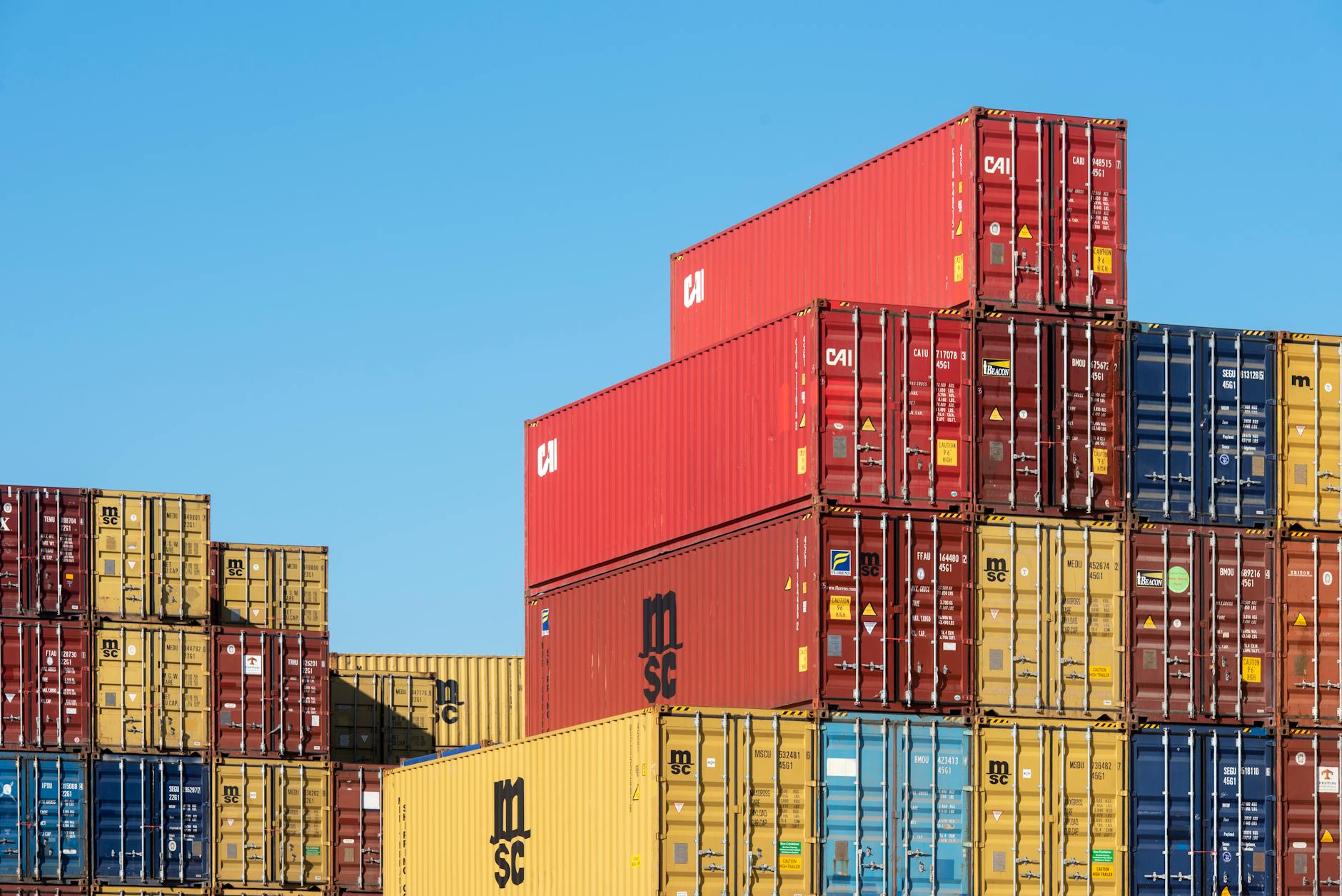
The broader irony is that tariffs intended to encourage domestic production and self-sufficiency are, in the short run, creating a kind of artificial demand signal that distorts capacity planning across the entire supply chain. When manufacturers buy ahead of actual need, production data looks stronger than underlying demand warrants. When the stockpiling phase ends and companies draw down reserves rather than placing new orders, that same production data will look weaker. The cycle amplifies volatility rather than reducing it – and for manufacturers trying to make long-term capital investment decisions, a volatile data environment is arguably worse than a consistently bad one.
Frequently Asked Questions
Why are manufacturers stockpiling inventory right now?
Unpredictable tariff changes make forward cost planning unreliable, so companies are building inventory buffers to avoid being exposed to sudden price increases on imported inputs.
Does stockpiling hurt smaller manufacturers more than larger ones?
Yes. Larger companies with stronger balance sheets can afford to carry months of extra inventory as a hedge, while smaller manufacturers often lack the credit access to do the same.