




Hotel rooms across the United States are undergoing a quiet revolution that has nothing to do with thread counts or smart TVs. Major chains are ripping out those overpriced mini-bars that have frustrated guests for decades and replacing them with Amazon delivery lockers.
The shift represents a fundamental rethinking of in-room amenities. Instead of stocking $8 candy bars and $15 bottles of wine that expire before anyone buys them, hotels are installing compact lockers that connect directly to Amazon’s logistics network.
Guests can now order everything from snacks to electronics to forgotten toiletries and have items delivered directly to their room within hours.
The Economics Behind the Switch
The math makes sense for hotels struggling with thin profit margins. Mini-bars require constant restocking, inventory management, and maintenance of aging refrigeration units. Hotels typically mark up products 200-400% above retail prices, but occupancy rates for these units hover around 15% industry-wide.
Amazon lockers eliminate inventory costs entirely. Hotels receive installation fees plus ongoing revenue sharing for each delivery, creating passive income streams that don’t require staff management or product spoilage concerns. The lockers also take up roughly the same footprint as traditional mini-bars while offering exponentially more product variety.
Labor costs drop significantly since housekeeping staff no longer need to check, restock, or troubleshoot mini-bar issues during room turnovers. Properties with 200+ rooms often employ dedicated mini-bar coordinators whose roles become obsolete under the new system.
Guest Experience and Market Response
Early adopter properties report higher guest satisfaction scores, particularly among business travelers who frequently need last-minute items. The system works through hotel apps or QR codes, allowing guests to browse Amazon’s full catalog rather than settling for limited mini-bar options.
Delivery windows typically range from 2-6 hours depending on local fulfillment center proximity. Popular orders include phone chargers, over-the-counter medications, premium snacks, and work supplies like notebooks or presentation materials. Some guests order items for pickup during checkout, essentially using their room as a temporary shipping address.
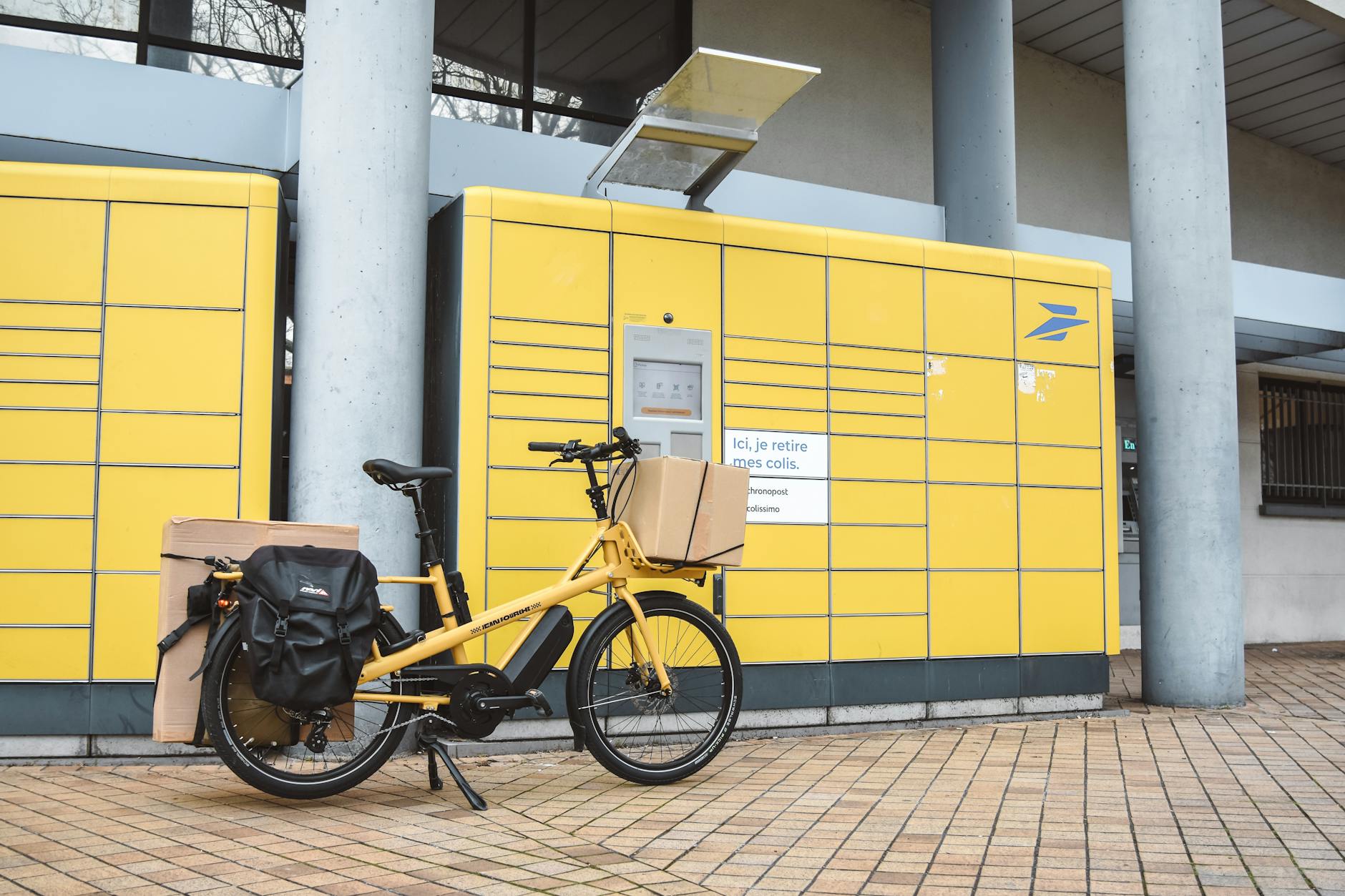
The model faces resistance from hotel franchise owners who invested heavily in existing mini-bar infrastructure. Conversion costs can reach $2,000 per room when factoring in locker installation, electrical work, and system integration. However, payback periods typically fall within 18-24 months based on reduced operational expenses alone.
Industry Ripple Effects
Traditional hotel supply companies that specialized in mini-bar products are scrambling to adapt. Some have pivoted toward providing curated local product selections through the Amazon platform, while others focus on hotels that prefer maintaining direct inventory control.
The change also affects hotel real estate considerations. Properties near Amazon distribution centers suddenly become more attractive investments due to faster delivery capabilities. Conversely, remote resort locations may stick with traditional mini-bars due to logistical constraints.
Food and beverage directors at major hotel groups are redirecting mini-bar budgets toward lobby retail spaces and grab-and-go markets, betting that centralized locations will generate better foot traffic than in-room sales ever did. The irony isn’t lost on industry veterans: hotels spent decades trying to keep guests in their rooms, and now they’re essentially inviting Amazon to deliver the outside world directly to their doors.