




The Price Drop That Doesn’t Feel Like One
Grocery prices are finally moving in the right direction – down. After two years of relentless increases that pushed food-at-home costs to heights not seen since the 1970s inflation wave, some of the most stubborn categories on the store shelf are showing measurable price declines. Eggs, cooking oils, certain cuts of beef, and select packaged goods have all registered negative year-over-year price changes in recent months, giving economists reason to use a word they’ve been cautious with: deflation.
But walk into any supermarket and ask a shopper how they’re feeling about grocery bills, and the answer is almost universally the same. It doesn’t feel cheaper. It feels like everything still costs too much. That disconnect – between what the data says and what consumers experience at the register – is one of the more interesting economic stories playing out right now, and it’s more complicated than it first appears.
What the Numbers Actually Show
The Consumer Price Index for food at home turned negative on a year-over-year basis, a statistical milestone that sounds more dramatic than it is in practice. Deflation in grocery pricing doesn’t mean across-the-board price cuts. It means the average of a broad basket of goods has declined slightly compared to the same period a year ago. Within that average, some categories are down sharply while others are still rising. Cereals, dairy, and many fresh produce items continue to trend upward, even as eggs and packaged snacks pull the overall number lower.
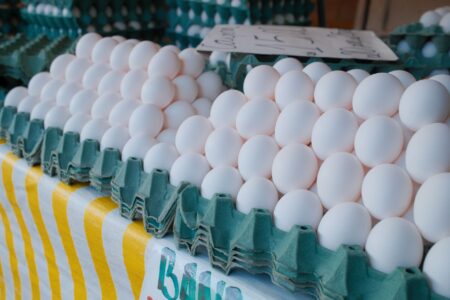
The categories where prices fell most visibly were often the ones that had spiked the hardest. Egg prices surged over 60 percent at their peak due to avian flu outbreaks decimating commercial flocks, then partially corrected once supply recovered. That kind of violent swing and partial reversal skews deflation statistics in ways that don’t reflect a genuine, broad-based easing of grocery costs. The deflation is real, but it’s concentrated and uneven rather than something a shopper feels walking the full length of a store.
Shrinkflation complicates the picture further. Manufacturers reduced package sizes throughout 2022 and 2023 to avoid raising sticker prices directly, and many of those smaller sizes haven’t reversed. So even when a box of crackers rings up at the same price as last year – technically zero inflation – the consumer is getting fewer crackers. The CPI methodology doesn’t always catch these adjustments in real time, which means official price data can show cooling costs while the actual per-unit cost of food remains elevated.
Why Perception Lags the Data
Price perception doesn’t reset quickly. When consumers spend two-plus years absorbing 15, 20, and in some cases 30 percent higher grocery bills, their mental benchmark for “normal” spending shifts upward. A 3 percent decline from a peak that was already 25 percent above where prices were four years ago doesn’t feel like relief – it feels like the same burden with slightly less pressure.
There’s also the issue of what economists call “price memory.” Consumers tend to anchor expectations to the lowest price they remember paying for a given item, not the most recent price. When orange juice was $3.49 and then climbed to $5.79, a drop back to $5.49 registers as a discount compared to recent weeks but not compared to what shoppers still remember paying. That psychological anchor – the pre-inflation reference point – is what shoppers are comparing against, not last month’s CPI report.
The Structural Costs That Aren’t Coming Down
Part of why deflation feels hollow is that input costs for food production remain structurally higher than they were before 2020. Energy, labor, and transportation costs all rose dramatically across the supply chain and have not fully retreated. A grocery store’s operating costs – from refrigeration energy bills to warehouse wages to delivery contracts – are still significantly above pre-2021 baselines. Those costs get embedded in pricing and don’t unwind simply because raw commodity prices ease.
Retailers are also operating with thinner tolerance for margin compression than they were five years ago. Several major grocery chains took significant losses during supply chain disruptions and have since recalibrated their pricing floors. They’re unlikely to pass along the full benefit of commodity deflation to consumers when their own cost structures remain elevated. The result is a situation where wholesale food prices fall, but retail prices follow more slowly and less completely.
Labor is the clearest example. Grocery workers saw wage increases in 2022 and 2023 as retailers competed for staff during tight labor markets. Those wage gains are now baked into operating costs permanently. A produce department that costs 30 percent more to staff than it did in 2019 doesn’t become 30 percent cheaper to run just because avocado wholesale prices drop. The consumer ultimately absorbs this through retail pricing that stays higher than commodity trends alone would justify.
Supply chain fragility adds another layer. Freight and rail bottlenecks that drove up food transportation costs throughout the past few years haven’t fully resolved, and retailers continue to build contingency costs into their pricing models. When logistics become unpredictable, the safest business move is to price for disruption rather than wait for stability before adjusting margins. That conservative pricing behavior keeps grocery costs stickier than headline deflation numbers suggest.
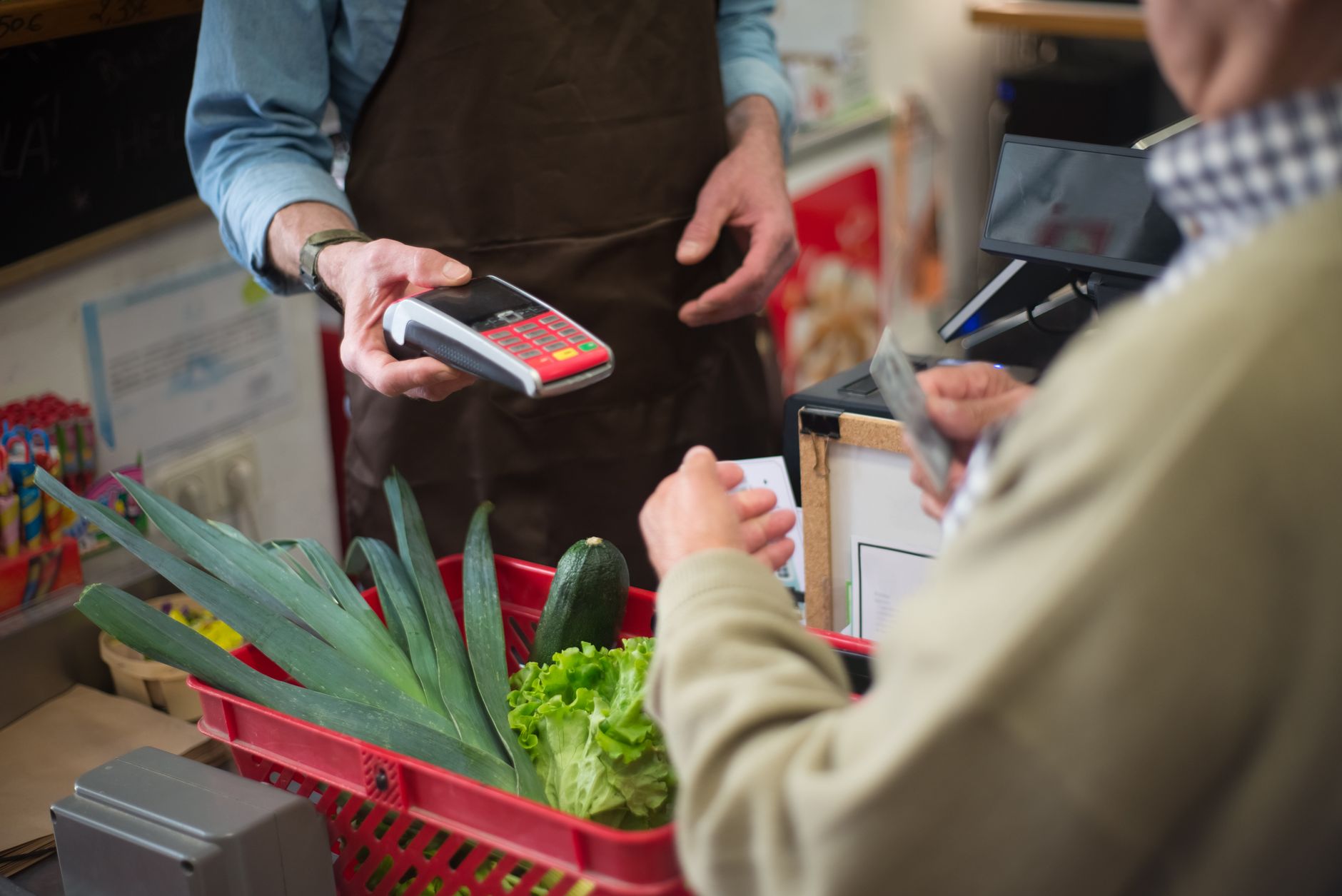
The honest version of where grocery deflation stands is this: the statistical trend is moving in the right direction, but the lived experience of buying food week to week is still expensive relative to any point before 2021. For a family running a tight budget, the difference between official grocery deflation and a grocery bill that consumes the same share of income it did six months ago isn’t academic – it’s the gap between what economists announce and what people actually experience. Whether retail pricing follows commodity costs further down, or whether labor and logistics floors keep prices stubbornly high, will determine whether deflation stays a data point or becomes something shoppers actually feel.
Frequently Asked Questions
What is grocery deflation and is it actually happening?
Grocery deflation means the average price of food-at-home goods has declined year-over-year. It is occurring in select categories like eggs and cooking oils, but the decline is uneven and doesn’t reflect broad relief across all food prices.
Why don’t consumers feel grocery prices going down?
Shoppers anchor to pre-inflation price memories, not recent peaks. Even a measurable decline still leaves prices far above what most people paid four years ago, making the statistical improvement feel invisible at the register.