





The Rush to Bring Manufacturing Home
Tariff policy has done something that decades of political rhetoric could not: it has made domestic manufacturing economically attractive again for a wide range of industries. With import costs rising sharply on goods from Asia and parts of Europe, companies that spent years building lean offshore supply chains are now racing to establish – or re-establish – production on American soil. The urgency is real. So is the friction.
The problem is that the manufacturing sector cannot simply be switched back on. Plants take years to build. Skilled trades workers take years to train. Supply chains for raw materials, components, and tooling are themselves deeply globalized. The result is a growing gap between demand for domestic production capacity and the actual ability to deliver it – a gap that is proving more expensive and more disruptive than many companies anticipated when they first started drawing up reshoring plans.
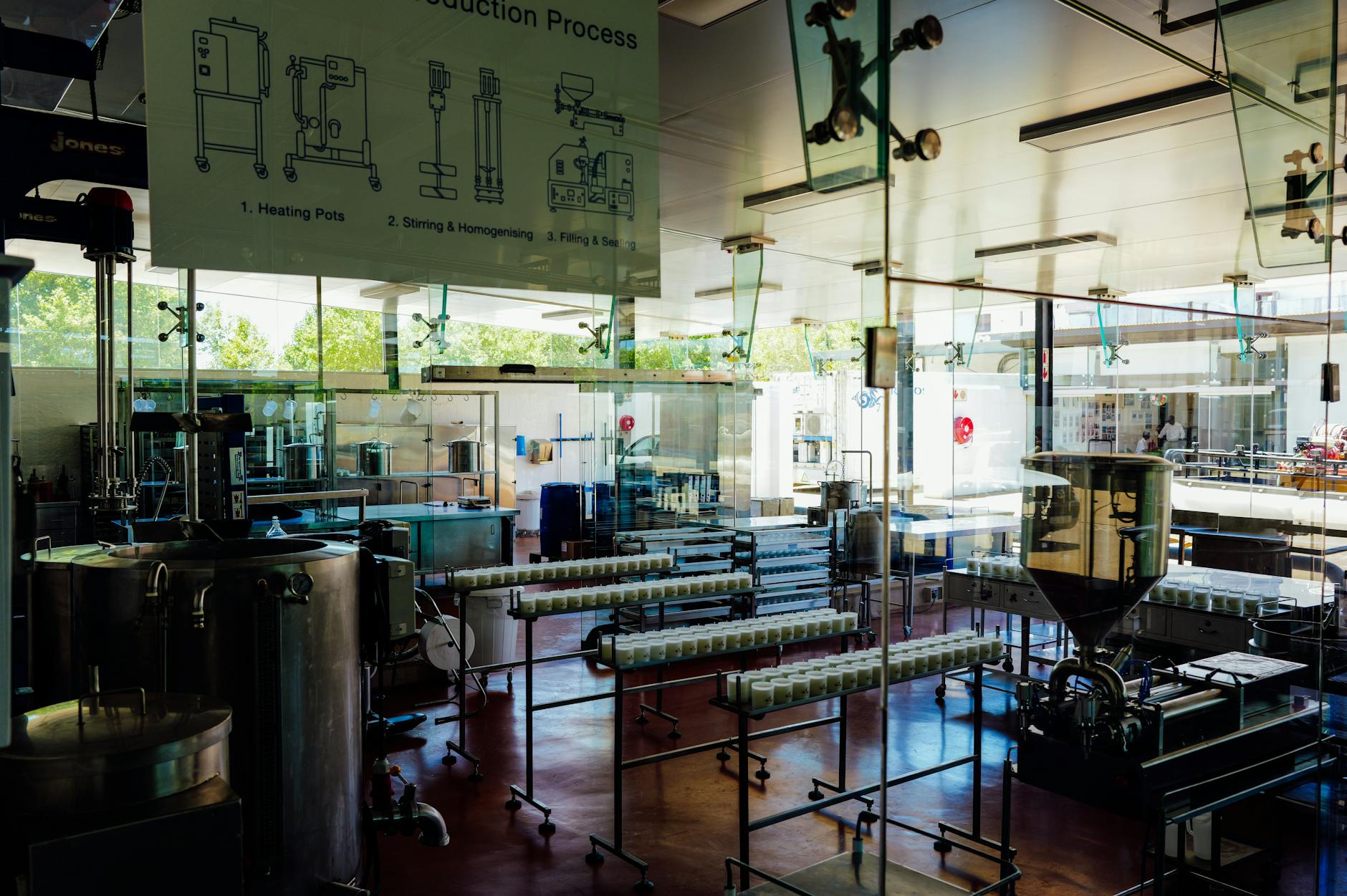
What Reshoring Actually Requires
Building a new factory is not just a capital expenditure problem – it is a sequencing problem. Before a production line runs, a company needs permitted land, a constructed building, installed equipment, utility connections sized for industrial load, and a trained workforce. Each of those steps has its own lead time, its own regulatory hurdles, and its own supply constraints. In many regions, industrial construction itself is backlogged, with contractors and specialized equipment in short supply after years of infrastructure and data center building activity.
Workforce availability compounds the challenge. The U.S. lost an enormous share of its manufacturing base between the 1990s and 2010s, and with it went the apprenticeship pipelines, the vocational programs, and the dense networks of suppliers and subcontractors that once surrounded major industrial clusters. Hiring for a new plant often means pulling workers from other manufacturers nearby, bidding up wages, and creating shortages downstream. That is not a problem unique to any one company – it is a sector-wide constraint that tariff pressure is now exposing at scale.
Equipment sourcing adds another layer of complexity. Many of the machines used in precision manufacturing, semiconductor fabrication, and advanced materials processing are themselves imported – often from Germany, Japan, or Taiwan. Tariffs on capital goods can raise the cost of building the very facilities intended to reduce tariff exposure on finished products. Some manufacturers are effectively paying tariff costs twice: once on the equipment used to build the domestic plant, and again while waiting for that plant to reach full production.
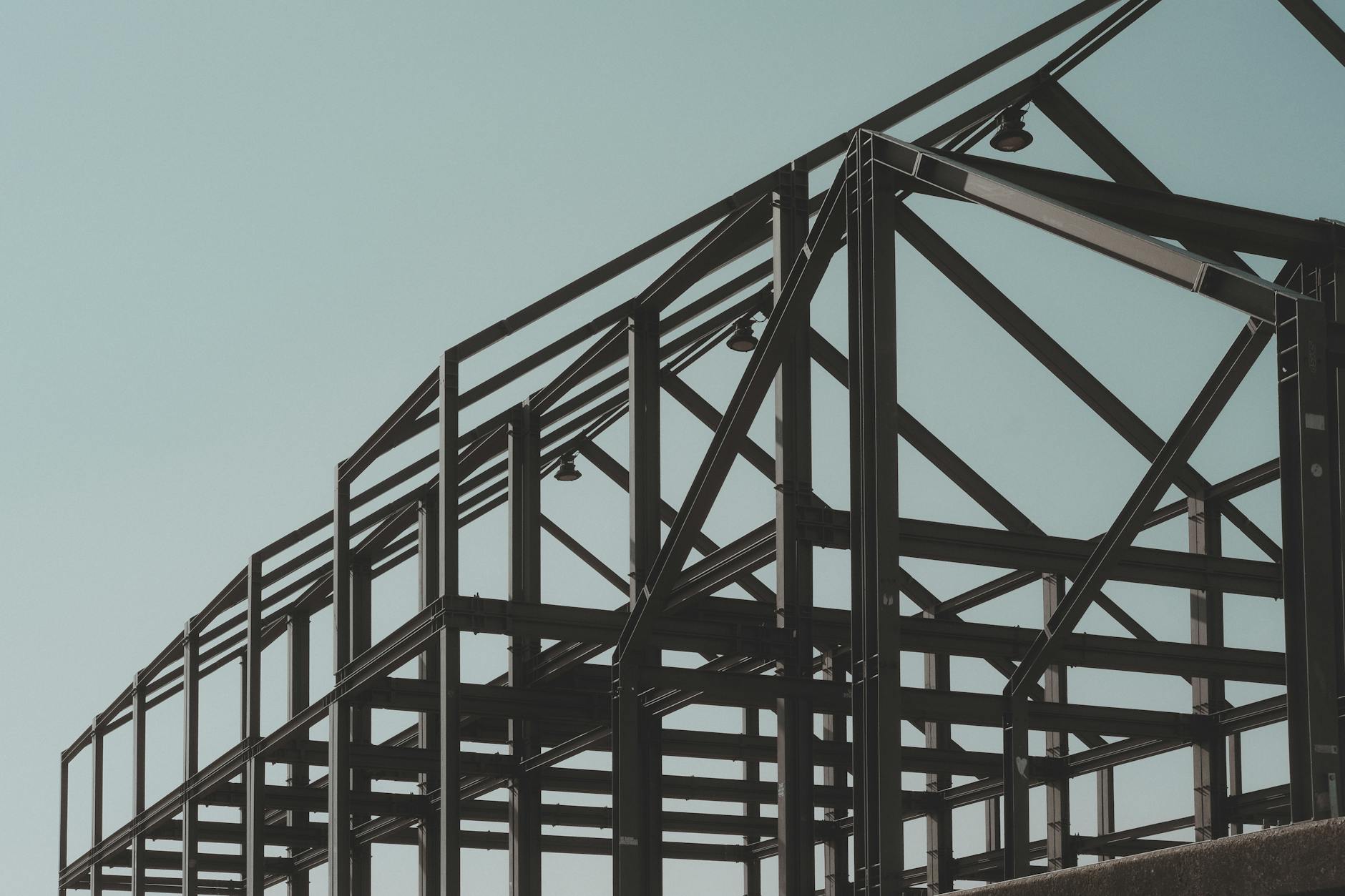
Capacity Ceilings Are Already Visible
In sectors where reshoring demand has been most aggressive – electronics assembly, pharmaceutical ingredients, specialty chemicals, and certain auto components – lead times for new domestic capacity are stretching well beyond initial projections. A facility that might have been planned for a 2025 opening is now realistically looking at 2027 or later, and that is assuming no permitting delays, no contractor disputes, and no further disruptions to equipment supply chains.
Port congestion data offers a useful window into where the pressure is building. As companies front-load imports ahead of tariff deadlines and simultaneously try to source domestic alternatives, logistics networks are absorbing strain from both directions. The overlap between freight rail bottlenecks and rising intermodal demand is one visible symptom of a broader supply chain under stress – not just from the tariffs themselves, but from the industrial adjustment they are forcing.
The Cost Math Is Getting Complicated
Companies reshoring production are discovering that “made in America” costs more than tariff avoidance alone can justify – at least in the short run. Domestic labor costs are structurally higher than offshore alternatives for most labor-intensive categories. Real estate in industrial zones near major population centers has appreciated sharply. Energy costs vary widely by region but are generally rising in areas with strong manufacturing demand. And unlike offshore production, which benefits from decades of process optimization, new domestic facilities spend their early years on a learning curve.
That cost reality is pushing some companies toward a partial reshoring strategy: moving final assembly or finishing operations to the U.S. while keeping component manufacturing offshore. This approach satisfies some tariff requirements – particularly those tied to rules of origin – but it does not actually rebuild deep industrial capacity. It creates a thinner version of domestic manufacturing that remains dependent on global supply chains for its inputs, which means tariff risk does not disappear, it just shifts one step upstream.
For smaller manufacturers already operating domestically, the reshoring wave is a mixed signal. On one hand, new demand for contract manufacturing and component supply is creating genuine growth opportunities. On the other hand, competition for workers, real estate, and materials is raising their own operating costs in ways they did not choose and cannot easily pass through. A small precision machining shop in Ohio or a plastics compounder in the Carolinas may find itself caught between a surge in inbound orders and an inability to hire fast enough to fill them.
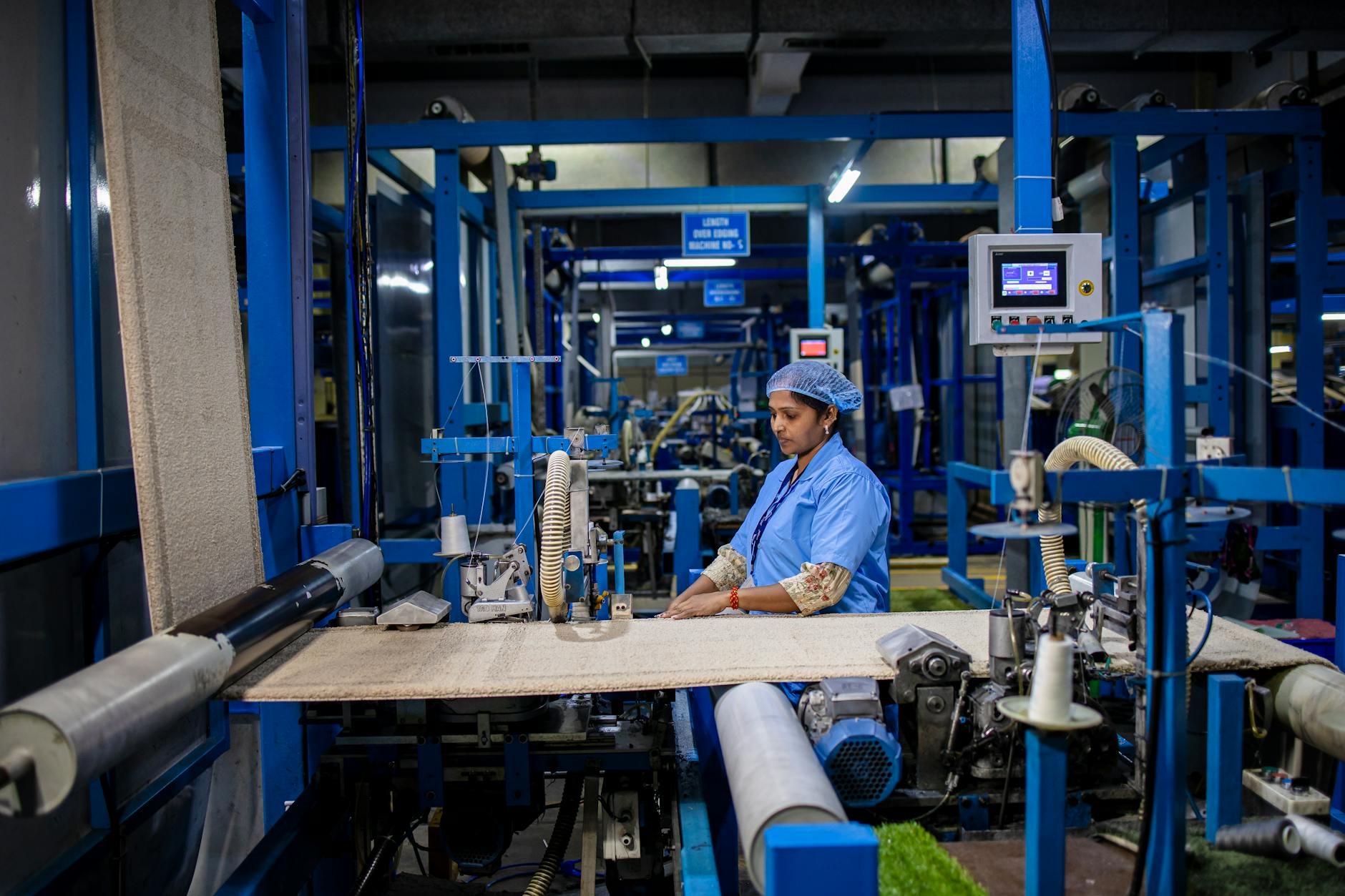
The incentive structure also deserves scrutiny. Federal and state programs offering tax credits, grants, and low-interest financing for domestic manufacturing investment are absorbing enormous administrative bandwidth and creating their own distortions. Large companies with dedicated government affairs teams are positioned to capture the most generous incentives. Smaller manufacturers, often better positioned to scale quickly because they are already operational, are frequently navigating slower approval processes and less favorable terms. The result is that public money is not always flowing to where productive capacity can be added fastest.
What makes the current moment genuinely difficult to read is that tariff policy itself remains unstable. Companies making 10-year capital investment decisions are doing so against a backdrop of trade policy that has shifted multiple times within single calendar years. A factory groundbreaking in response to today’s tariff schedule could be stranded if that schedule changes before the facility reaches production – a real risk that every CFO running reshoring numbers has to model and that no tariff announcement currently addresses.