




Fast food giants are ripping out drive-thru windows across hundreds of locations, betting that mobile ordering and reduced staffing can maintain profits while slashing labor expenses by up to 25%.
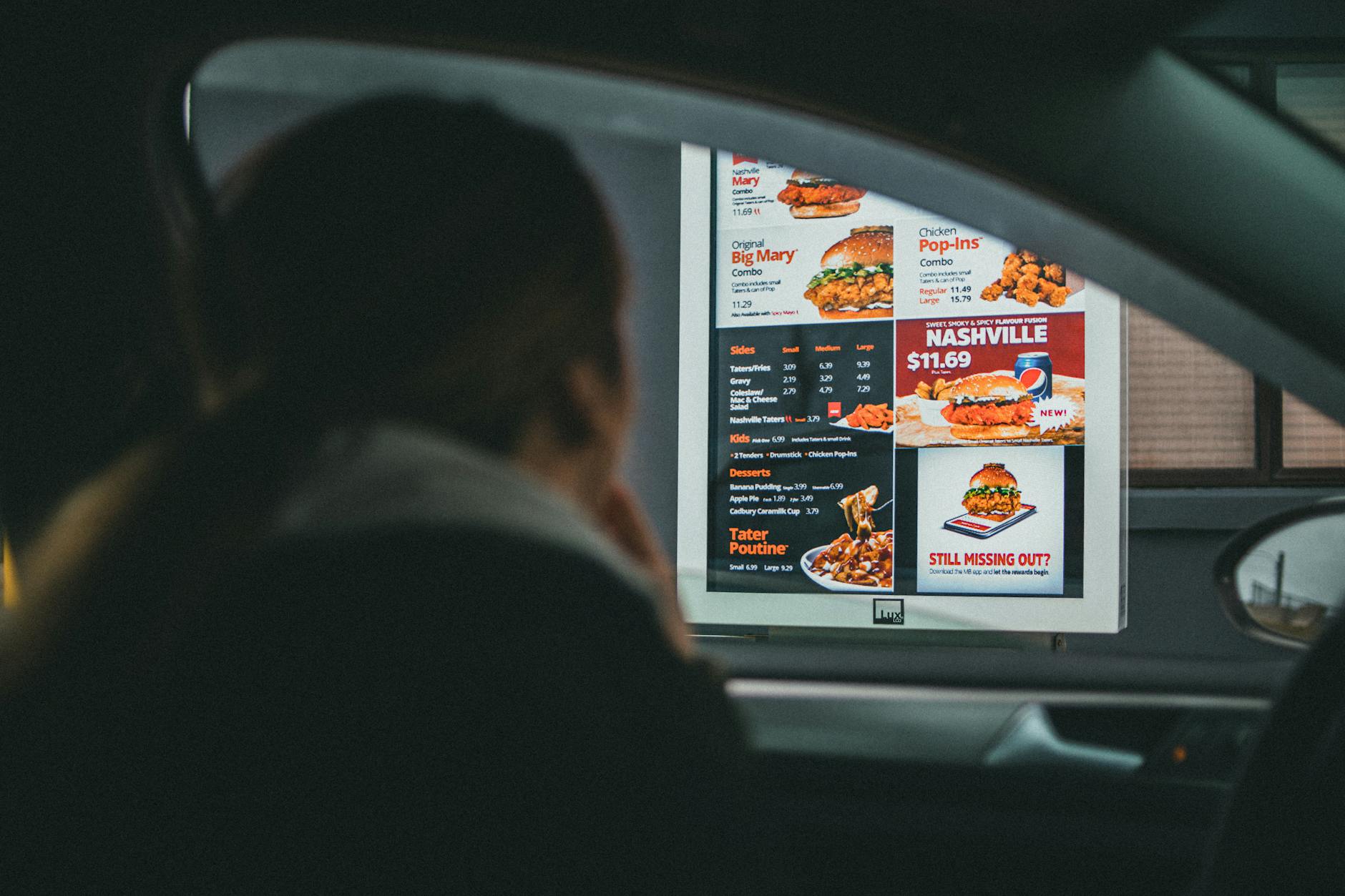
The Economics Behind Window Removal
Drive-thru operations require dedicated staff positioned at order stations, payment windows, and food handoff points during peak hours. Each window typically demands two to three employees per shift, creating labor costs that can reach $15,000 monthly for a single location. Chain operators are discovering that eliminating these positions while maintaining mobile pickup areas can preserve revenue streams without the associated wage burden.
The financial calculations become more attractive when factoring in equipment maintenance and real estate optimization. Drive-thru infrastructure requires regular updates to intercom systems, payment processors, and lane configuration. Window removal allows restaurants to repurpose exterior space for expanded parking or additional pickup zones, while interior space previously used for drive-thru prep stations can accommodate more kitchen equipment or storage.
Customer behavior shifts during the pandemic accelerated this transition. Mobile ordering jumped from roughly 15% of transactions to over 60% at many chains between 2020 and 2023. This behavioral change provided cover for operational restructuring that might have faced stronger resistance during normal circumstances.
Labor shortage pressures in the fast food sector have intensified the appeal of reduced staffing models. When restaurants struggle to maintain full teams, eliminating positions becomes a strategic advantage rather than a cost-cutting measure. Chains can operate with smaller crews while maintaining service levels through technology-assisted ordering systems.
Implementation Strategies and Customer Response
The transition typically begins with designated mobile order pickup zones in parking lots, accompanied by curbside delivery services. Restaurants install numbered parking spots with call buttons or app-based notifications for order pickup. This system requires minimal additional infrastructure while maintaining customer convenience expectations.
Some locations are experimenting with walk-up windows as a compromise solution. These installations require fewer staff members than traditional drive-thrus while accommodating customers who prefer not to enter the restaurant. Walk-up service eliminates the need for vehicle lane management and reduces kitchen coordination complexity.
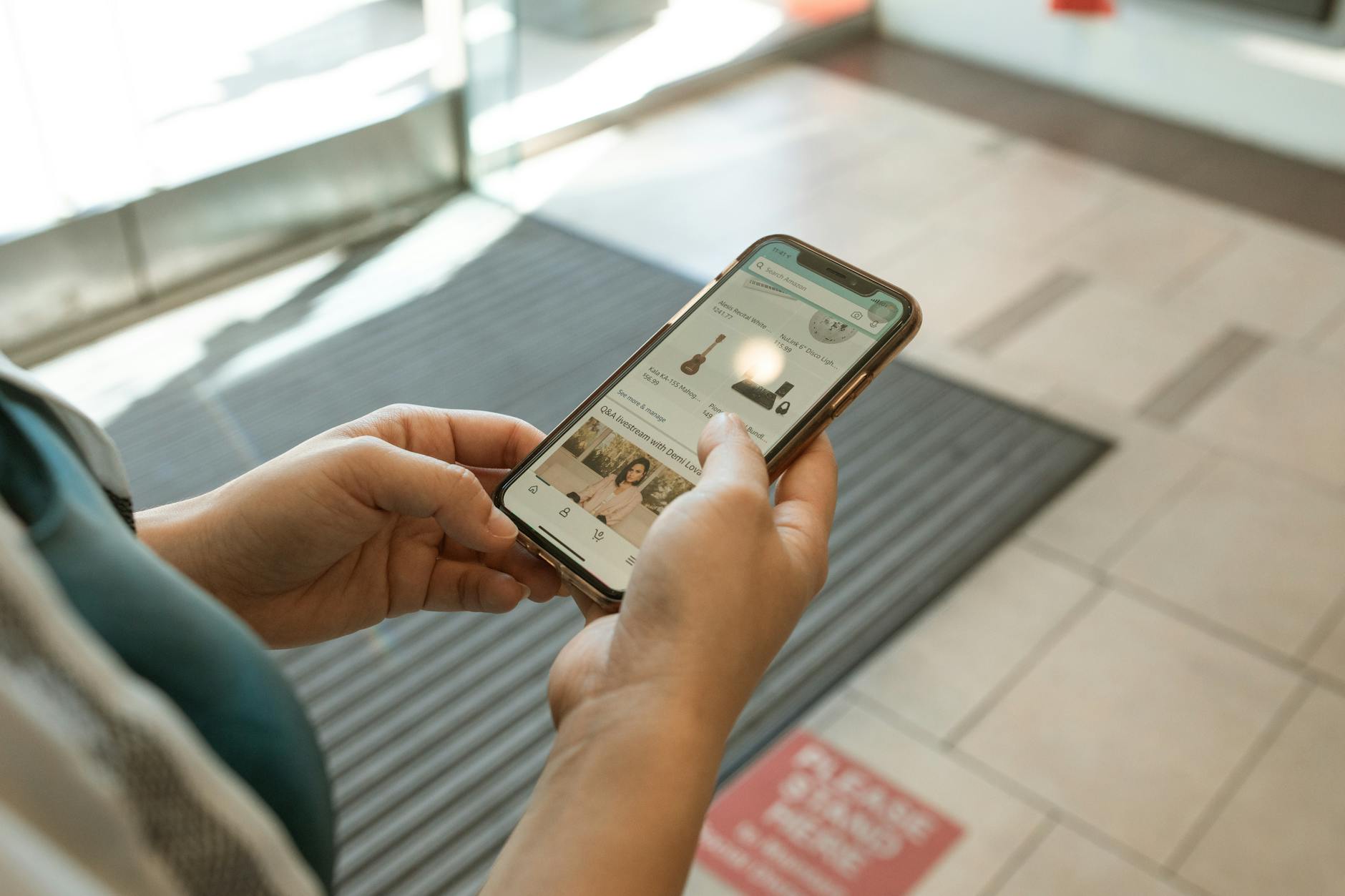
Customer resistance varies significantly by demographic and location type. Suburban locations with older customer bases report higher complaints about drive-thru elimination, while urban restaurants see smoother transitions. Frequent customers often adapt quickly to new pickup procedures, but occasional visitors express frustration with changed processes they don’t immediately understand.
The speed of service remains a critical concern. Drive-thrus traditionally processed orders in 90 to 120 seconds during peak periods. Mobile pickup operations aim for similar timeframes but face challenges with order accuracy verification and customer identification. Some chains are implementing license plate recognition systems and designated pickup shelving to streamline handoffs.
Regional variations in implementation reflect local market conditions and competitive pressures. Areas with high labor costs see faster adoption of windowless models, while markets with abundant workforce availability maintain traditional service formats. Franchise operators often have more flexibility in testing these changes before corporate mandates broader rollouts.
Industry Impact and Operational Challenges
The shift creates ripple effects across the fast food ecosystem. Equipment suppliers are pivoting toward mobile order fulfillment technology, while real estate developers are reconsidering restaurant site layouts. Traditional drive-thru design consultants are adapting services toward pickup zone optimization and customer flow management.
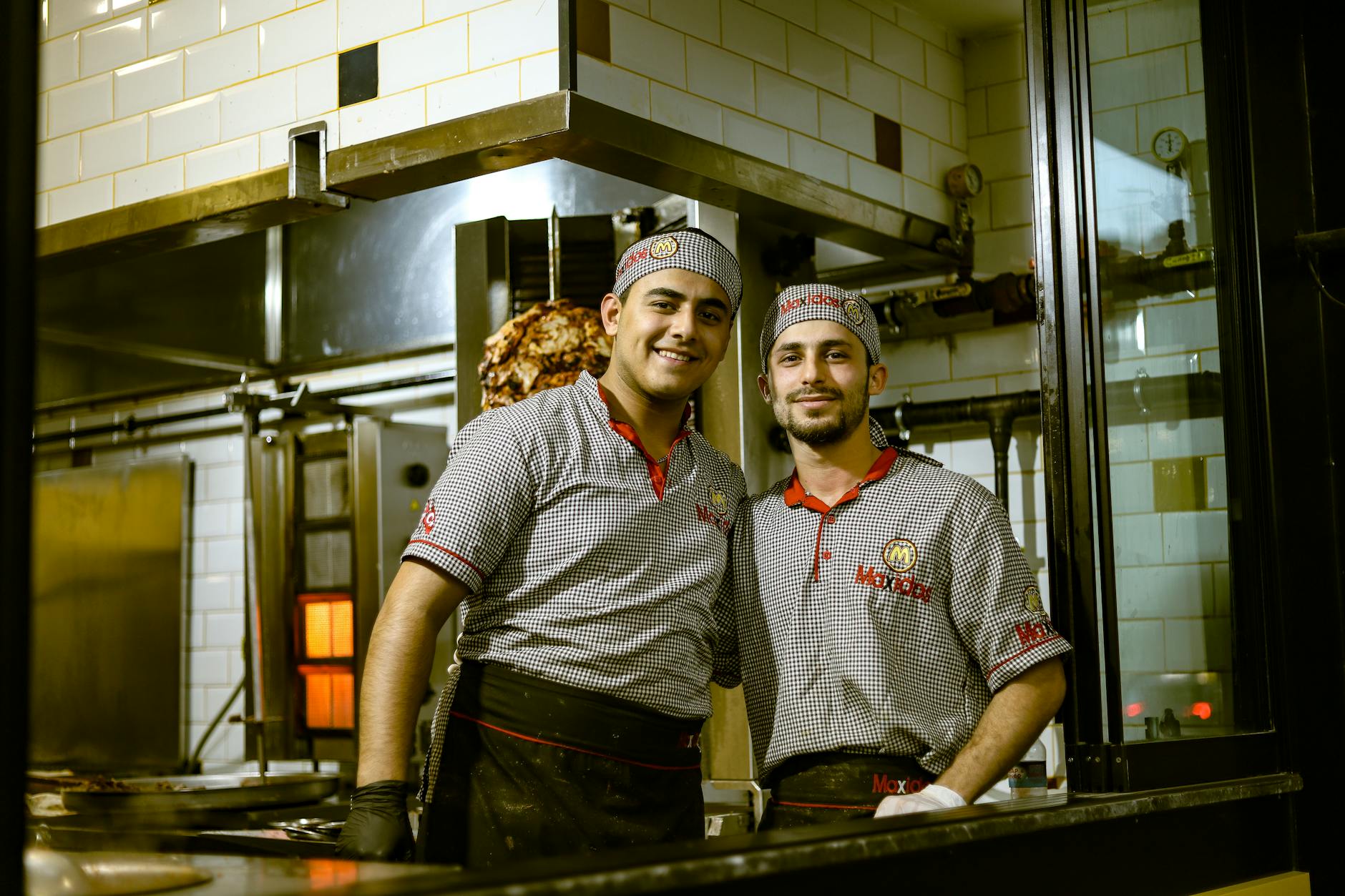
Kitchen operations face new coordination demands when managing multiple pickup methods simultaneously. Staff must track mobile orders, walk-in customers, and delivery drivers without the structured workflow that drive-thru systems traditionally provided. This complexity can create bottlenecks during rush periods, potentially negating labor cost savings if service times deteriorate significantly.
Frequently Asked Questions
Why are fast food chains removing drive-thru windows?
To reduce labor costs by up to 25% while relying on mobile ordering and curbside pickup to maintain customer service.
How does eliminating drive-thrus affect customer service?
Restaurants use mobile pickup zones and walk-up windows as alternatives, though adaptation varies by customer demographics and location.