




Warren Buffett’s Berkshire Hathaway is sitting on a record cash pile, and the message behind that number is hard to ignore: the stock market may simply be too expensive to buy into right now.
A Record Hoard and What It Means
Berkshire Hathaway’s cash and Treasury bill holdings crossed $330 billion by the end of 2024, a figure that would rank as a top-20 economy on its own. Buffett has been a net seller of equities for several consecutive quarters, trimming positions in major holdings including Apple and Bank of America while adding almost nothing new. For a firm built on the philosophy of buying great businesses at fair prices, the prolonged refusal to deploy capital says more than any shareholder letter.
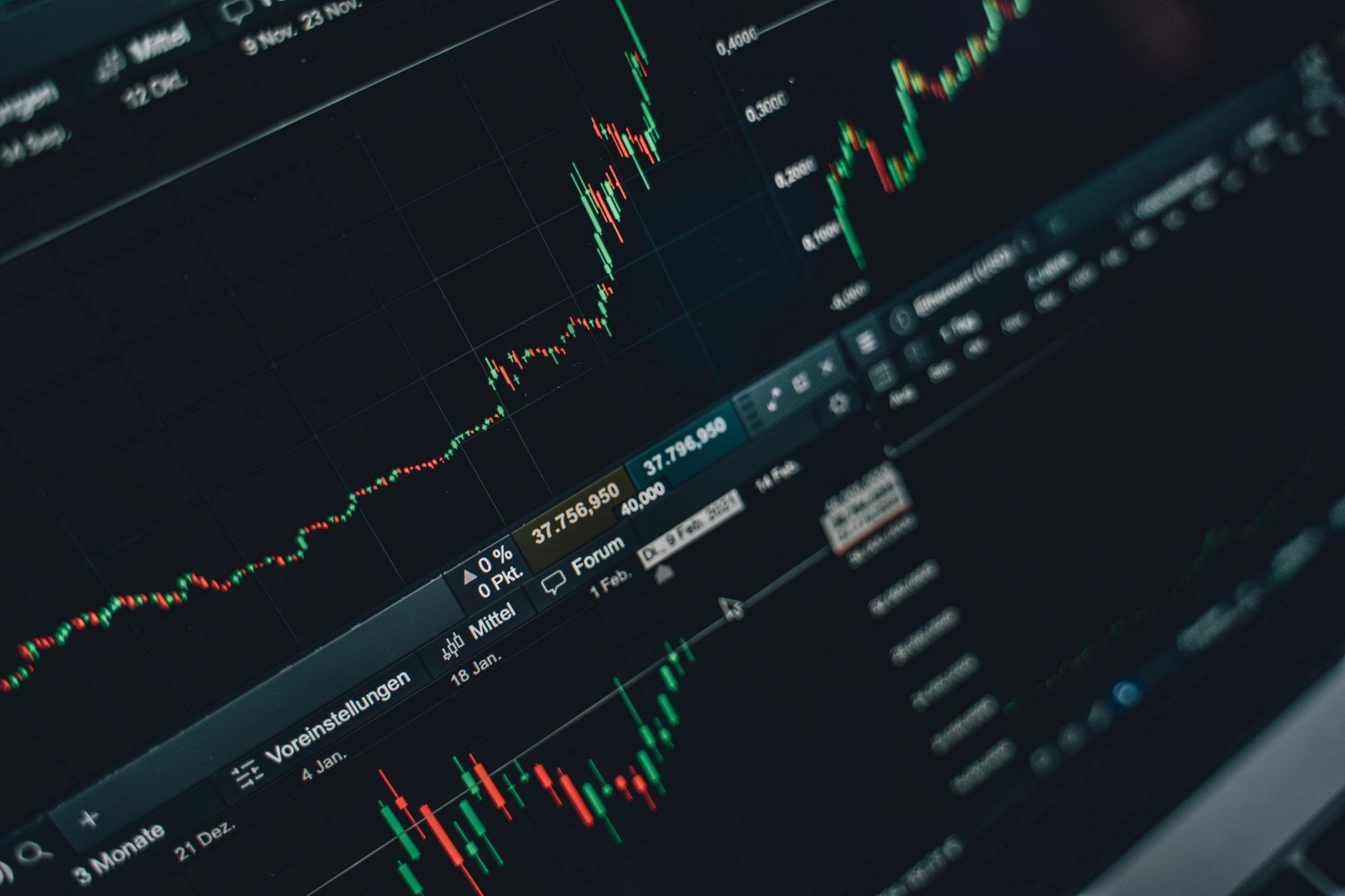
The math behind Buffett’s hesitation is straightforward. The Shiller CAPE ratio – a cyclically adjusted price-to-earnings measure that smooths out short-term earnings volatility over a 10-year window – has been running well above its long-term historical average. At levels last seen during the dot-com boom, the ratio suggests that paying up for U.S. equities today offers thin forward returns relative to the risk being accepted. Buffett has referenced similar valuation yardsticks publicly, including the total market cap-to-GDP ratio that now bears his name informally: the “Buffett Indicator.”
The Buffett Indicator has been flashing yellow, if not red, for most of the past two years. When total U.S. stock market capitalization exceeds GDP by a wide margin, historical patterns suggest that subsequent decade-long returns tend to disappoint. That does not mean a crash is imminent – markets can stay stretched for years – but it does suggest that the margin of safety Buffett requires before committing capital simply is not there in most equity categories right now.
Berkshire’s Treasury bill position is not merely parked cash. At current short-term rates, that $330 billion is generating meaningful income – likely somewhere north of $15 billion annually – while Buffett waits. The opportunity cost of sitting out is far lower than it was during the near-zero rate era of 2012-2021. Patience has a yield now, which makes holding cash a real strategic choice rather than a reluctant one.
Why Equity Valuations Look Stretched
The concentration risk inside the S&P 500 is a large part of why aggregate valuations look so elevated. A handful of mega-cap technology companies – Microsoft, Nvidia, Apple, Alphabet, Amazon, Meta – account for a disproportionate share of the index’s total market capitalization. When those names trade at earnings multiples far above historical norms, they pull the entire index’s valuation higher, making the broad market appear more expensive than the median stock actually is. Strip out the top ten holdings and the picture looks somewhat less alarming, though still not cheap by any historical standard.
Earnings growth has provided some cover. Corporate profit margins held up better than many expected through the rate-hiking cycle, and AI-related capital expenditure has kept revenue forecasts for the largest technology companies elevated. The question is whether those margins can hold as labor costs, debt refinancing burdens, and a softening consumer backdrop create pressure. Markets are pricing in continued margin expansion – a bet that history suggests rarely plays out smoothly over multi-year periods.
The bond market adds another layer of complexity. With 10-year Treasury yields holding above 4%, the equity risk premium – the extra return investors demand for holding stocks over risk-free bonds – has compressed to levels that make equities look unattractive on a relative basis. When a U.S. government bond pays a real yield close to or above 2%, the case for accepting the volatility of equities requires either a strong conviction that earnings will grow substantially, or a tolerance for lower future returns. Buffett’s cash pile implies he has neither conviction nor tolerance at current prices. Meanwhile, gold ETF inflows have surged to multi-year highs as some investors look for alternatives to both stretched equities and rate-sensitive bonds.
Small and mid-cap stocks present a different but equally complicated picture. While they trade at lower absolute multiples than the mega-cap names, their earnings are more sensitive to economic slowdowns and their debt structures often feature floating-rate components that become costly when rates stay high. The apparent cheapness in parts of the market is, in many cases, reflecting genuine fundamental risk rather than overlooked value.
None of this means equities are on the edge of collapse. Stretched valuations are a poor timing tool – they describe where prices are relative to fundamentals, not when the gap will close or in which direction. Markets have remained at elevated CAPE levels for years at a stretch, particularly when inflation is moderate and central banks are accommodative. The current environment is neither of those things consistently, which is precisely why Buffett’s refusal to buy reads as a considered judgment rather than excessive caution.
What Retail Investors Can Take From This
Buffett’s behavior does not translate directly into a playbook for individual investors. He can afford to wait years for the right price; most people are dollar-cost averaging into retirement accounts and cannot time the market even if they wanted to. What his positioning does offer is a useful reminder that not every moment is equally good for deploying new capital aggressively, and that holding a higher-than-usual cash buffer in a high-rate environment is not the same as leaving money on the table.

The more interesting question is what Berkshire does when – or if – a genuine market dislocation arrives. Buffett has repeatedly said the firm is prepared to deploy capital “in a very large way” during a crisis. With $330 billion available and a track record of buying when others are selling, the size of the cash pile is less a sign of pessimism than a sign of readiness. The real signal is not that Buffett thinks the market will crash – it is that he does not think today’s prices justify the risk of being wrong.
Frequently Asked Questions
Why is Warren Buffett holding so much cash?
Buffett has been a net seller of equities for several quarters, citing stretched valuations. His cash pile now earns meaningful yield from Treasury bills while he waits for better-priced opportunities.
What is the Buffett Indicator and what is it saying now?
The Buffett Indicator compares total U.S. stock market capitalization to GDP. When the ratio runs significantly above historical norms, it has historically pointed to weaker long-term returns ahead.