




Top Stories

USPS delivery slowdowns are disrupting mail-order pharmacy access for rural patients who depend on postal prescriptions as their only viable option.







Credit unions face mounting pressure as member deposits flow toward higher-yield alternatives, straining the nonprofit lending model at its core.

Medicaid unwinding has quietly shifted fiscal pressure onto rural county general assistance budgets, straining thin local safety nets with no federal backstop or relief mechanism in sight.

Egg carton shortages are disrupting school lunch supply chains, forcing districts to swap fresh eggs for pricier processed substitutes and straining already tight nutrition budgets.

Private credit funds have raised over $1.4 trillion, displacing banks as middle-market companies seek faster, more flexible financing solutions.



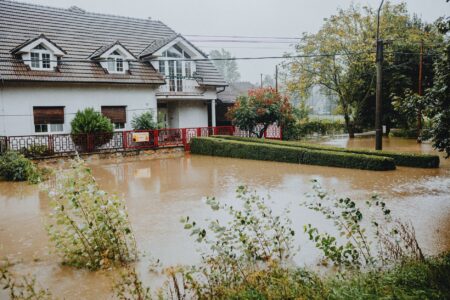
FEMA flood maps lag years behind real conditions, leaving homeowners, lenders, and insurers working from outdated risk data with serious financial consequences.

Longshoremen’s severance fights are intensifying as automation expands at U.S. ports. Variable-formula clauses and technology annexes are reshaping labor contracts.

Railroad retirement’s funding gap widens as active worker rolls shrink and retiree populations age slowly out, creating a structural mismatch that market returns alone cannot fix.

Port labor talks between the ILA and terminal operators have stalled over automation rights as East and Gulf Coast contracts expire, threatening supply chain disruption.

Treasury yield curve steepening signals growing recession bets as short-end yields fall and deficit pressures keep long-end rates elevated.

Consumer complaints about shrinkflation are piling up at the FTC, as shoppers document smaller product sizes at unchanged prices, raising deceptive packaging concerns.

Federal unemployment benefits are losing ground to inflation. With benefit levels stagnant in many states and costs rising sharply, displaced workers face a widening gap between support and survival.

Federal crop insurance payouts are rising as extreme weather seasons grow longer and overlap in damaging ways, straining a program not priced for today’s climate.