




The Discount That No Longer Moves the Needle
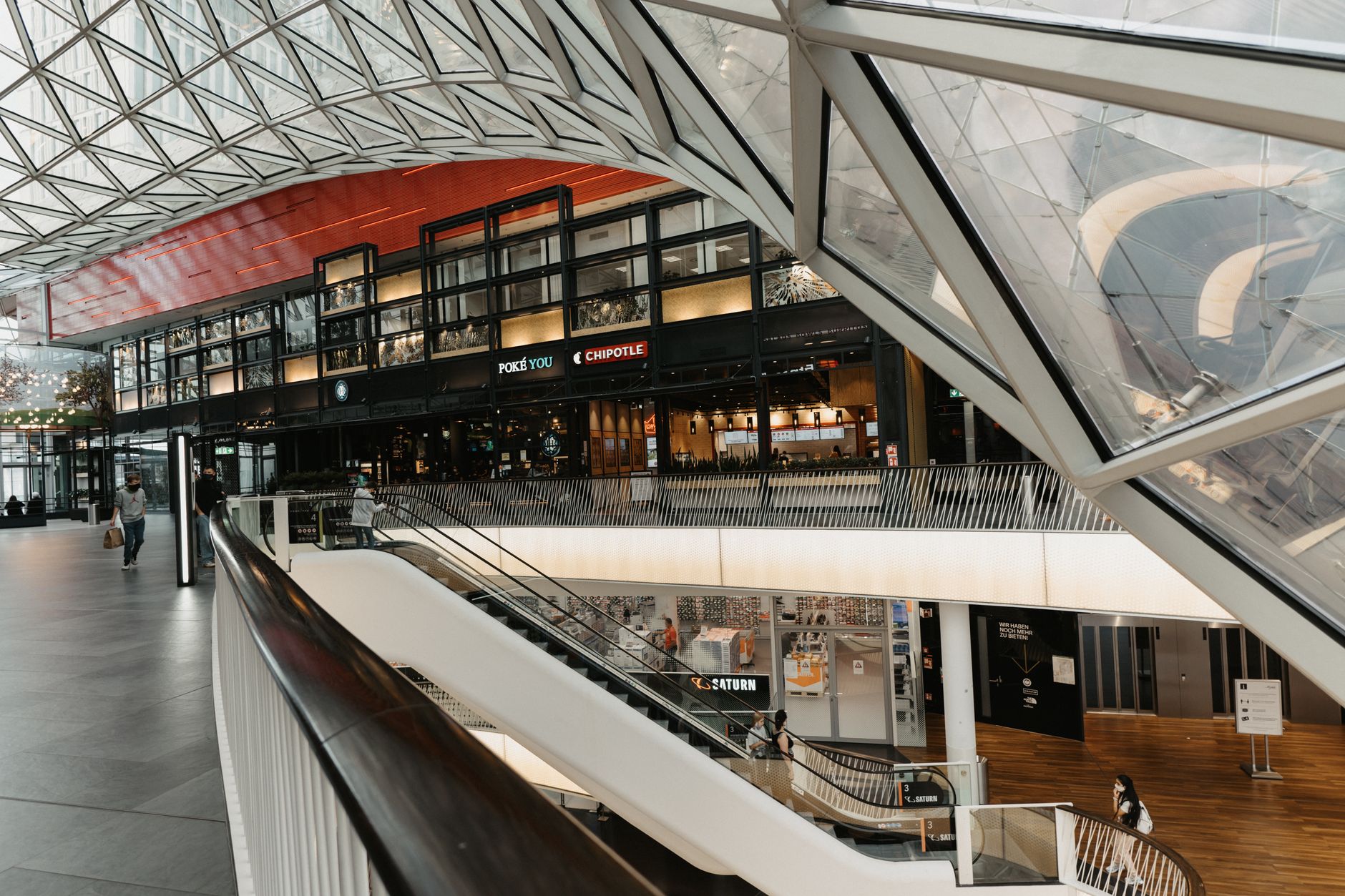
Retail foot traffic has been declining for months, but the pattern taking shape now is different from the typical post-holiday lull or weather-related dip. Shoppers are walking into stores less often, and when they do show up, they are browsing without buying. The promotions that once triggered reliable surges in store visits – flash sales, weekend-only markdowns, loyalty point multipliers – are generating diminishing returns. Retailers built their traffic strategies around the assumption that a deep enough discount would always convert hesitation into purchase. That assumption is cracking.
The underlying problem is not that consumers have stopped spending entirely. It is that they have recalibrated what a discount actually means. After years of near-constant promotional activity, shoppers have developed a baseline expectation that everything is always on sale. When everything is always discounted, nothing feels like a deal. The urgency that drove impulse visits and unplanned purchases has quietly dissolved, and retailers are left with foot traffic models that no longer reflect how their customers actually behave.
How Discount Fatigue Actually Works
The mechanics of discount fatigue are straightforward. Repeated exposure to promotional pricing trains shoppers to delay purchases rather than accelerate them. A consumer who learns, through experience, that a retailer runs a 30-percent-off sale every three weeks has no rational incentive to buy at full price – or even at a smaller discount. They wait. The promotion loses its power not because the savings are smaller but because the scarcity signal that once made discounts feel urgent has been neutralized by sheer repetition. This is not a psychological quirk; it is a learned shopping behavior reinforced every time a brand emails “LAST CHANCE” and then sends the same offer two weeks later.
Mid-tier apparel and home goods retailers are feeling this most acutely. These are the categories where discretionary spending is easy to defer, product quality differences between brands are modest, and promotional pricing has been the primary competitive weapon for years. A shopper who needs a new throw blanket or a casual jacket does not need it urgently, can find it at five competing retailers, and has been conditioned to wait for a sale cycle they know is coming. The result is longer purchase cycles, fewer spontaneous store visits, and a shrinking window during which full-price or near-full-price conversion is even possible.
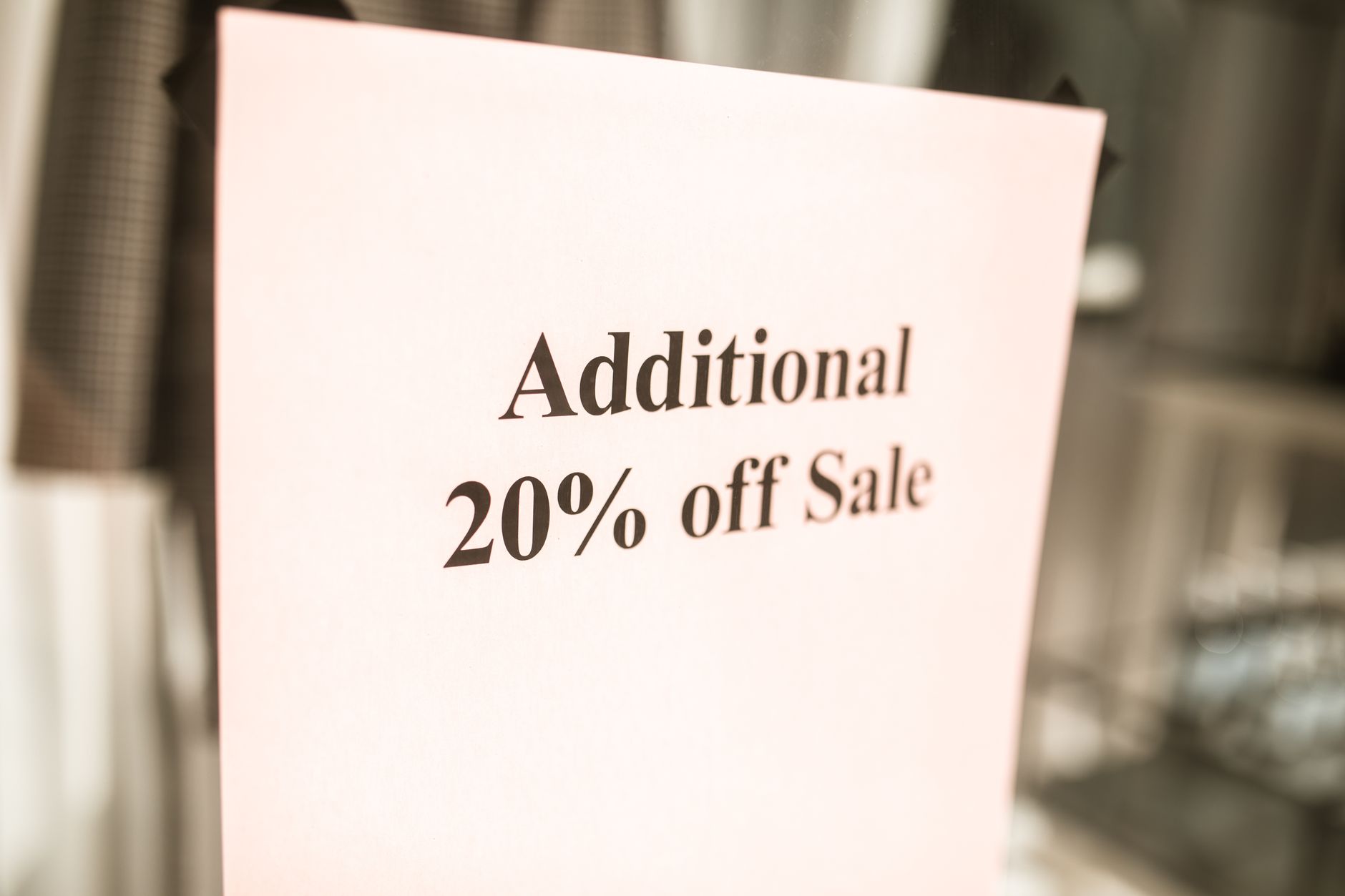
The timing of this slump is particularly difficult for retailers because it coincides with sustained pressure on household budgets. Grocery prices have remained elevated, and consumers are making sharper trade-offs between categories. Discretionary retail sits at the end of that priority chain. When a shopper is already mentally allocating more income toward food and fixed expenses, the appeal of a 20-percent markdown on a decorative item narrows considerably. The discount has to compete not just with rival retailers but with the consumer’s own sense of what spending feels justified right now.
There is also a channel-shift component that makes the foot traffic numbers look worse than the total sales picture might suggest. Some of the spending that used to happen in physical stores has migrated online, where price comparison is instant and promotional stacking – applying multiple codes and cashback offers simultaneously – gives digitally fluent shoppers a discount depth that no single brick-and-mortar promotion can match. Physical stores are not just losing visits to inertia; they are losing visits to a shopping environment where the deals genuinely are better, at least on a net-cost basis.
The Mall and Strip Center Squeeze
Physical retail real estate is absorbing the secondary shock. Mall operators and strip center landlords are watching anchor tenant traffic figures closely because those numbers drive lease renewal leverage across entire properties. When a department store or big-box anchor sees sustained foot traffic declines, the smaller tenants around it – the specialty shops, food court operators, and service businesses that depend on anchor-driven passersby – feel it within one or two quarters. The ripple effect through retail real estate is one reason carrying costs have become an increasingly urgent pressure point for property owners trying to hold positions in softening markets.
Retailers occupying expensive street-level or enclosed mall space face a particularly uncomfortable math problem. Their lease costs were often negotiated during periods of higher foot traffic, when per-visitor revenue justified the rent. As traffic thins and conversion rates soften, the revenue-per-square-foot calculation deteriorates. Some brands are quietly renegotiating leases rather than waiting for renewal dates. Others are reducing store counts, concentrating investment in flagship locations while exiting secondary and tertiary markets where the traffic case was always marginal.
What Retailers Are Actually Trying
The strategic response from retail chains has not been to abandon promotions – that would be commercially suicidal in the short term – but to restructure how promotions are deployed. Some brands are moving away from broad percentage-off events toward more targeted offers tied to specific customer segments or purchase histories. The logic is that a personalized offer, delivered at a moment of demonstrated intent, requires less discount depth to convert than a mass promotion blasted to an entire email list. The cost of the discount is lower, and the conversion rate is theoretically higher.
Experience-oriented retail formats are getting renewed attention as a traffic solution that does not depend on pricing psychology. Stores that offer classes, demonstrations, customization services, or community programming give shoppers a reason to walk in that has nothing to do with saving money. The visit is not triggered by a deal; it is triggered by something the shopper actually wants to do. Conversion can follow, but the foot traffic driver is fundamentally different. This approach requires investment in staff, programming, and store design – costs that sit uncomfortably alongside thin margins and declining visit frequencies.
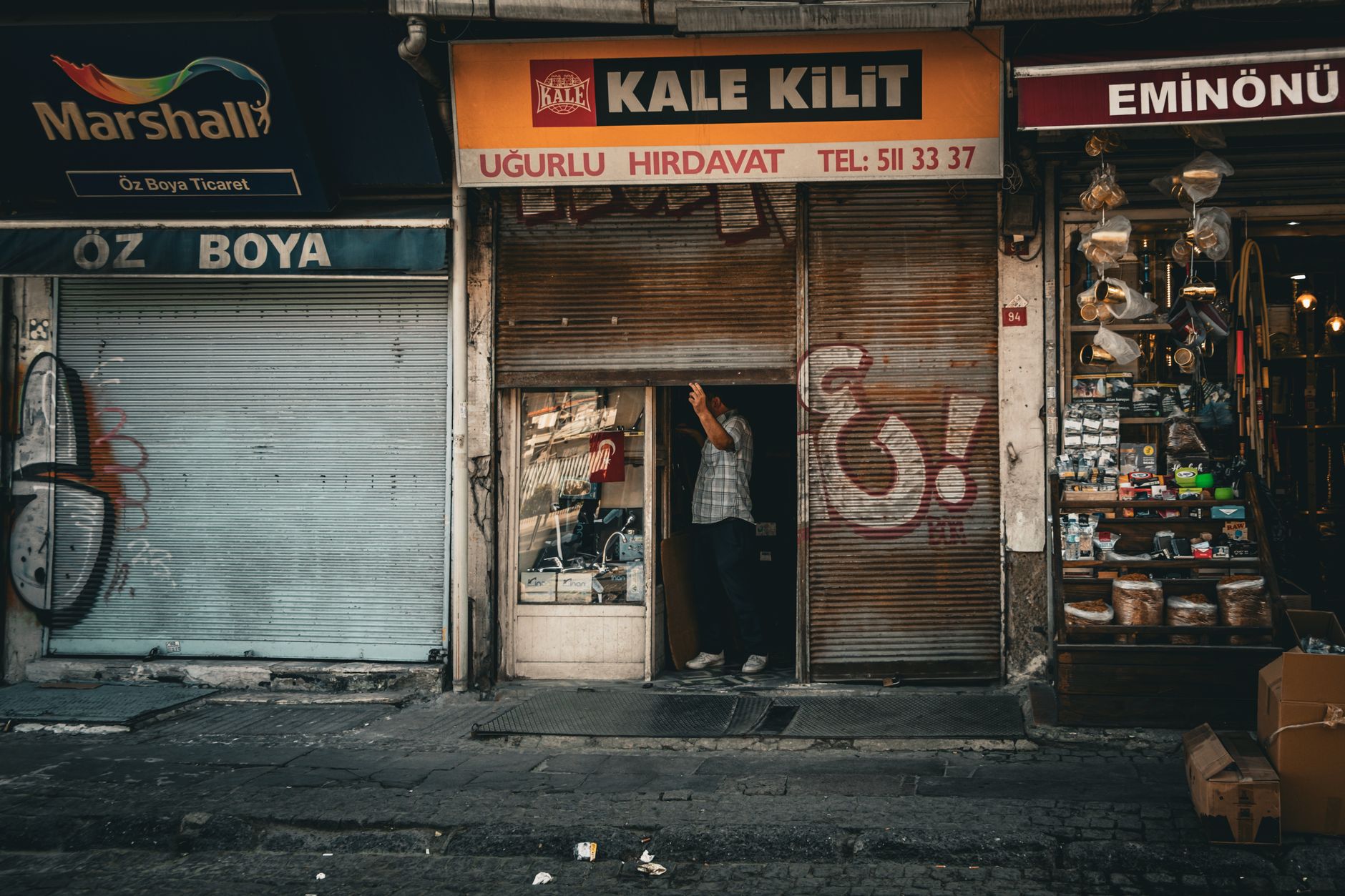
None of this resolves the immediate problem for retailers sitting on too much inventory in categories where demand has softened and promotional effectiveness has weakened. Clearance is still necessary. Discounting will continue. But the brands navigating this most carefully are the ones recognizing that the next round of promotions will not automatically re-engage shoppers who have already internalized that waiting costs nothing. The discount playbook has not disappeared, but it is working harder for smaller results – and the gap between what a sale event used to deliver and what it delivers now is widening with each passing quarter.