



Top Stories

USPS delivery slowdowns are disrupting mail-order pharmacy access for rural patients who depend on postal prescriptions as their only viable option.






Credit unions face mounting pressure as member deposits flow toward higher-yield alternatives, straining the nonprofit lending model at its core.
Medicaid unwinding has quietly shifted fiscal pressure onto rural county general assistance budgets, straining thin local safety nets with no federal backstop or relief mechanism in sight.

Egg carton shortages are disrupting school lunch supply chains, forcing districts to swap fresh eggs for pricier processed substitutes and straining already tight nutrition budgets.

Private credit funds have raised over $1.4 trillion, displacing banks as middle-market companies seek faster, more flexible financing solutions.


Millions lost Medicaid coverage during the post-pandemic unwinding – many wrongfully. Here’s how the process broke down and who paid the price.

Chain pharmacy closures are hitting low-income zip codes hardest, creating pharmacy deserts that cut medication access for the most vulnerable patients and triggering broader economic decline.
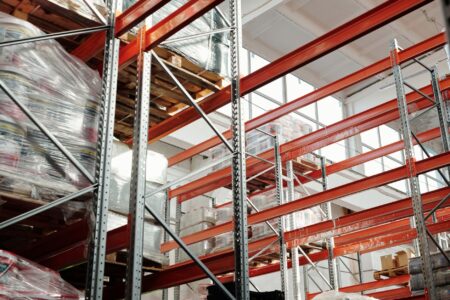
Warehouse vacancy rates are rising across major U.S. logistics corridors as e-commerce lease demand cools and new supply keeps delivering into a softening market.

A medical certification bottleneck is sidelining commercial truck drivers nationwide, straining freight capacity as examiner shortages and administrative delays compound.

Hospital mergers in mid-size cities are quietly eliminating local competition, driving up prices for commercially insured patients and reshaping regional labor markets.

Trucking spot rates remain depressed as carrier failures climb, driven by weak freight demand, excess capacity, and rising operating costs squeezing small fleets.

Rural hospitals are closing as Medicaid reimbursement rates fail to keep pace with rising costs, leaving underserved communities without critical care access.

Small business borrowing costs remain stubbornly high as the Fed holds rates steady, leaving Main Street without the relief many owners had planned around.