




Top Stories

The most interesting question about spot bitcoin ETFs was never whether bitcoin…







Bears are piling into regional airlines as fuel hedges expire. The trade rests on margin math, and a falling oil price could turn it fast.

With crude stuck in a band, oil majors are sending surplus cash back to shareholders through buybacks. The logic is clean, but the risks are real.

Regional lenders face a wall of commercial property loans that must be refinanced at much higher rates, and investors are pricing in the strain.

Bears are piling into regional airlines as fuel hedges expire. The trade rests on margin math, and a falling oil price could turn it fast.


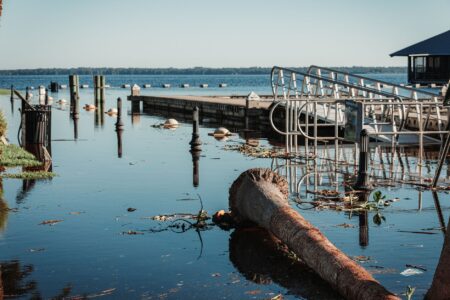
Private flood insurers are exiting coastal markets, leaving homeowners reliant on an underfunded federal program facing its own pricing crisis and growing coverage gaps.

Tariffs on imported solar panels are squeezing installer margins even as consumer demand stays strong, driven by federal tax credits. Small firms are caught in a difficult gap.
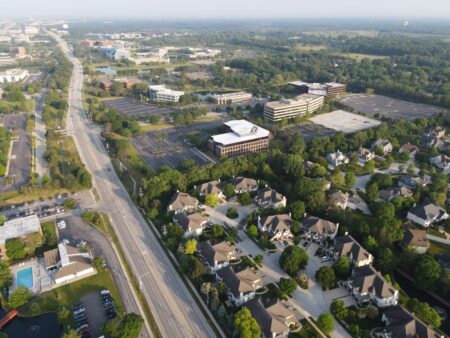
Federal contractor layoffs are hollowing out the suburban economies around D.C., hitting tax bases, local businesses, and homeowners who built their finances on stable government-adjacent work.

Inland ports that expanded during the import surge are now facing idle infrastructure, falling rail volume, and rising fixed costs as containerized freight demand retreats.
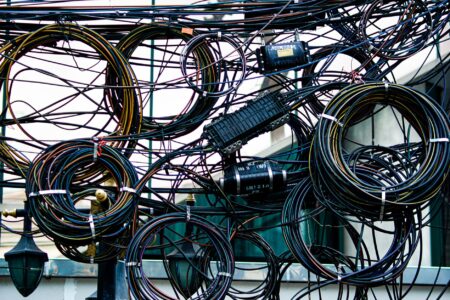
Copper prices are climbing as electric grid expansion drives unprecedented demand. Supply chains built for a slower pace are now buckling under pressure from utilities, EV infrastructure, and renewable energy projects.

Proposed Medicaid cuts are pushing rural nursing homes toward closure, leaving elderly residents in small towns with nowhere to turn for long-term care.

Federal regulators and Congress are intensifying scrutiny of pharmacy benefit managers over opaque pricing practices, spread pricing, and rebate arrangements that may inflate drug costs for patients.

Used car values are falling sharply, leaving many auto loan borrowers underwater and driving default rates higher across the credit spectrum.