





Private flood insurers are pulling out of coastal states at an accelerating pace, and the homeowners left behind are finding themselves with two bad options: pay drastically higher premiums through government-backed programs, or go uninsured in some of the country’s most flood-prone zip codes.
The Retreat From Risk
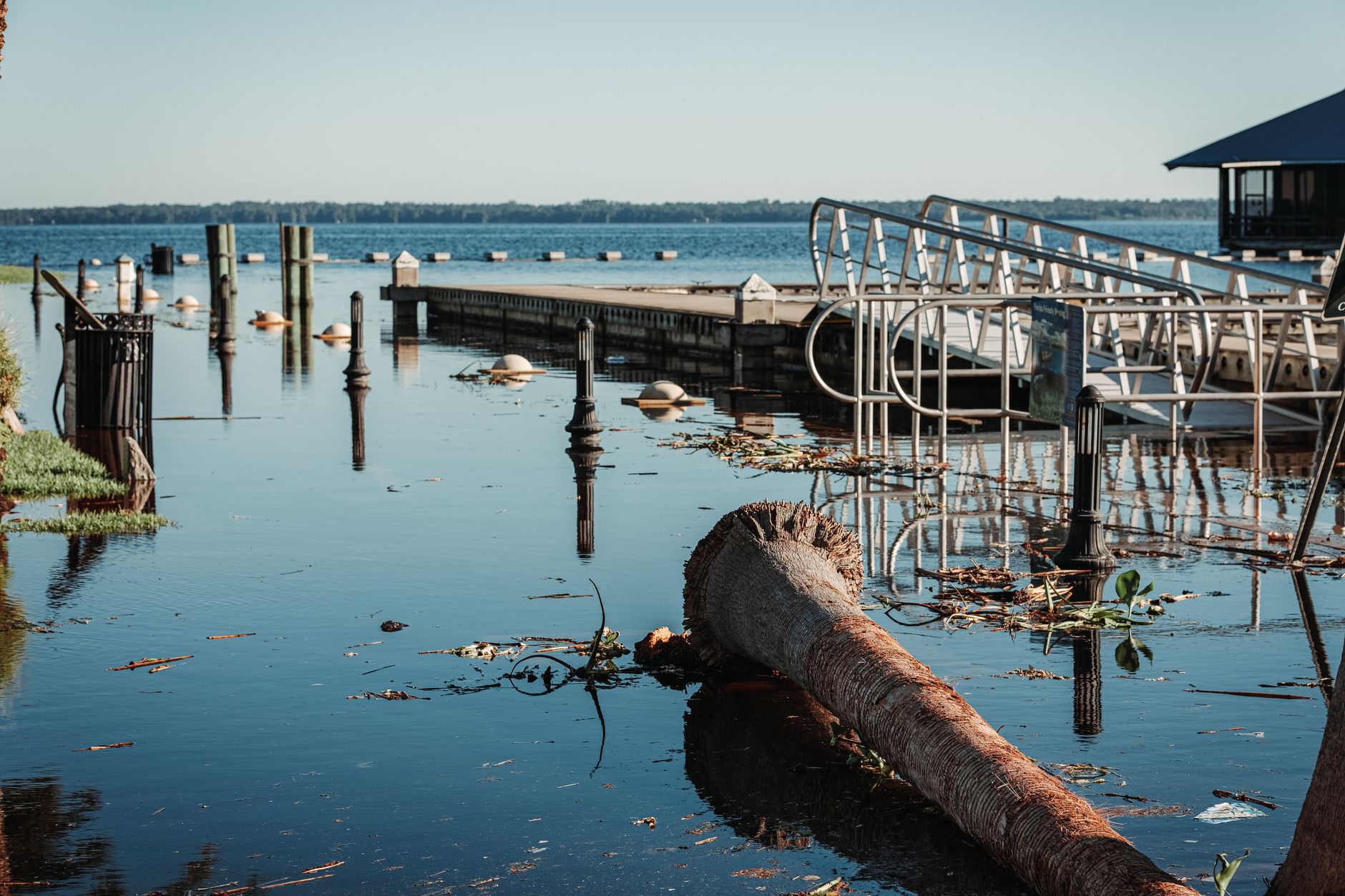
The withdrawal is not happening quietly. Several major private carriers have filed to non-renew thousands of coastal policies across Florida, Louisiana, and the Carolinas over the past two years, citing unsustainable loss ratios driven by back-to-back severe storm seasons. When a private insurer exits a market, policyholders are typically funneled toward the National Flood Insurance Program (NFIP), the federal backstop that was never designed to be anyone’s first choice – it was meant to fill gaps, not carry entire coastlines.
The NFIP has been operating in structural deficit for years. After catastrophic losses from Hurricanes Katrina, Sandy, and Harvey, the program carried a debt to the U.S. Treasury that reached roughly $20 billion before Congress forgave a portion of it in 2017. That forgiveness did not fix the underlying math. The program still prices risk in ways that, for decades, subsidized coastal development by keeping premiums artificially low – a policy that encouraged building in floodplains rather than discouraging it.
FEMA’s Risk Rating 2.0 initiative, rolled out in 2021, attempted to correct that mispricing by tying premiums more directly to a property’s actual flood risk. For many coastal homeowners, that meant sudden and sharp increases – sometimes doubling or tripling annual costs. The political backlash was immediate, and several congressional delegations from flood-prone states pushed back hard. The result is a program trying to rationalize its pricing while facing pressure to keep rates politically tolerable, which satisfies neither the actuarial reality nor the homeowners writing the checks.
Private carriers, operating without the political constraints of a federal program, simply ran the numbers and left. When modeled losses from a single hurricane season can exceed a decade of collected premiums in a given coastal county, the business case for staying dissolves. Reinsurance costs – what insurance companies pay to insure themselves – have risen sharply as global reinsurers reprice their own exposure to climate-related losses. Those costs get passed down the chain, and at some point the chain breaks.

Who Gets Left Behind
The homeowners most exposed to this coverage gap are not necessarily the wealthy second-home owners in high-profile beach communities. The more financially vulnerable group is middle-income households in inland flood zones – areas along river corridors, in older suburban developments built on former wetlands, or in low-lying neighborhoods that flood regularly but don’t carry the glamour or political weight of oceanfront addresses. These are homes where flood insurance may represent the largest annual insurance bill a family pays, and where losing coverage or facing a dramatic premium increase hits the household budget in a direct and immediate way.
Renters face an even more invisible version of this problem. A landlord who drops flood insurance doesn’t necessarily disclose that to tenants, and renters’ flood policies – separate from standard renters’ insurance – remain poorly understood and rarely purchased. When a flood event hits a rental property with no coverage, the landlord’s loss is financial; the tenant’s loss is everything they own with no recovery mechanism.
Small business owners in coastal communities sit in a similarly precarious spot. Commercial flood insurance through the NFIP has coverage limits that cap out well below the replacement cost of many commercial properties, and private alternatives are thinning out just as they are in the residential market. A restaurant or retail shop that floods and lacks adequate coverage doesn’t just close temporarily – it often closes permanently, which compounds the economic damage to the surrounding community well beyond the property losses themselves.
State-run insurers of last resort, sometimes called FAIR plans, have absorbed some of the overflow. But FAIR plans were designed for windstorm and fire coverage, not flood, and most don’t write flood policies at all. Florida’s Citizens Property Insurance Corporation, the state’s insurer of last resort for wind, has been aggressively trying to reduce its own exposure by pushing policies back to the private market – a market that is simultaneously contracting. The circularity of that situation is not lost on housing economists watching the numbers.
Mortgage lenders are starting to pay closer attention. Federal regulations require flood insurance on properties in designated Special Flood Hazard Areas that carry federally backed mortgages, but enforcement has historically been inconsistent. As lenders become more aware of climate-related property risk – partly because loan default patterns are shifting in asset categories tied to collateral value – the scrutiny around flood coverage compliance is tightening. A property that loses flood coverage mid-mortgage may find the lender force-placing insurance at rates that make the original NFIP premium look like a bargain.
What the Coverage Gap Actually Costs
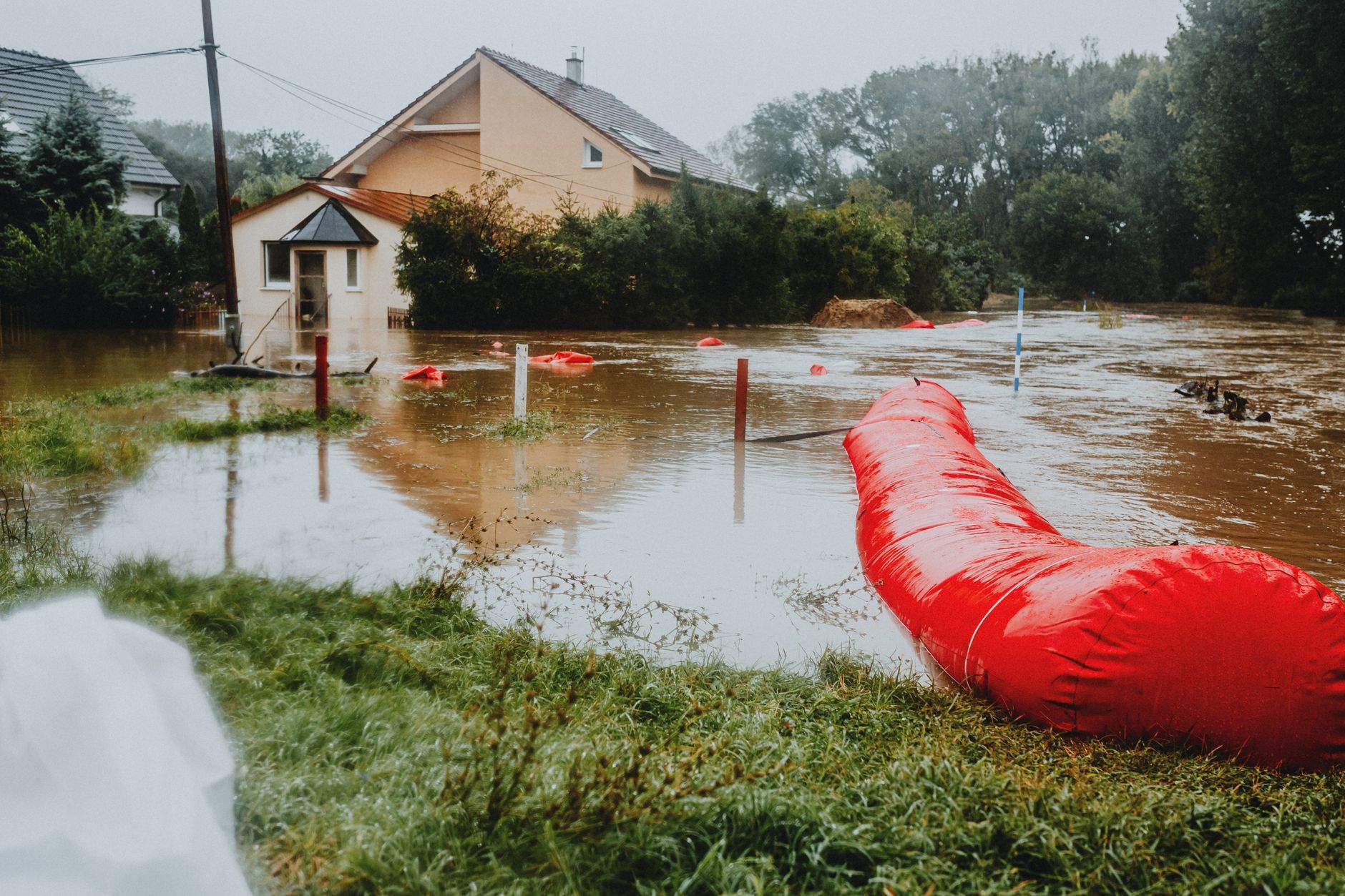
Uninsured flood losses don’t disappear – they get redistributed. Federal disaster declarations trigger FEMA’s Individual Assistance program, which provides grants to uninsured or underinsured flood victims, but those grants average a few thousand dollars, nowhere near enough to cover structural damage to a home. The rest falls on the homeowner, on local governments trying to manage blight and abandonment, and eventually on state and federal budgets through infrastructure repair and community development programs. Private carriers exiting the market doesn’t reduce the total cost of flood risk; it shifts who pays, and when.
Property values in high-risk coastal areas are beginning to reflect this reality, though the adjustment is uneven and slow. Markets where flood insurance is becoming unaffordable or unavailable are seeing buyer hesitation and longer days on market, particularly as a new generation of homebuyers – more likely to research climate risk before purchasing – weighs long-term ownership costs more carefully than previous generations did. The question hanging over coastal real estate isn’t whether the math eventually catches up, but which communities absorb that correction first and how fast it travels inland.