




The Vacancy Problem No One Saw Coming
For about three years, warehouse space was the hottest real estate product in America. E-commerce companies, third-party logistics firms, and retailers scrambling to build out inventory buffers after supply chain disasters signed leases at record pace, pushing rents to heights that made industrial property owners extremely comfortable. That era is over, and the correction is arriving with the kind of quiet momentum that tends to catch landlords off guard.
Vacancy rates in major logistics corridors – the Inland Empire in Southern California, the I-78/I-287 corridor in New Jersey, the Dallas-Fort Worth Metroplex, and Chicago’s outer suburbs – are climbing. New supply, greenlit during the frenzy of 2021 and 2022, keeps delivering into a market where the urgency to absorb square footage has cooled significantly. The tenants who once moved fast and competed hard are now negotiating slowly, if they are negotiating at all.
Some are simply not renewing.
What Drove the Glut
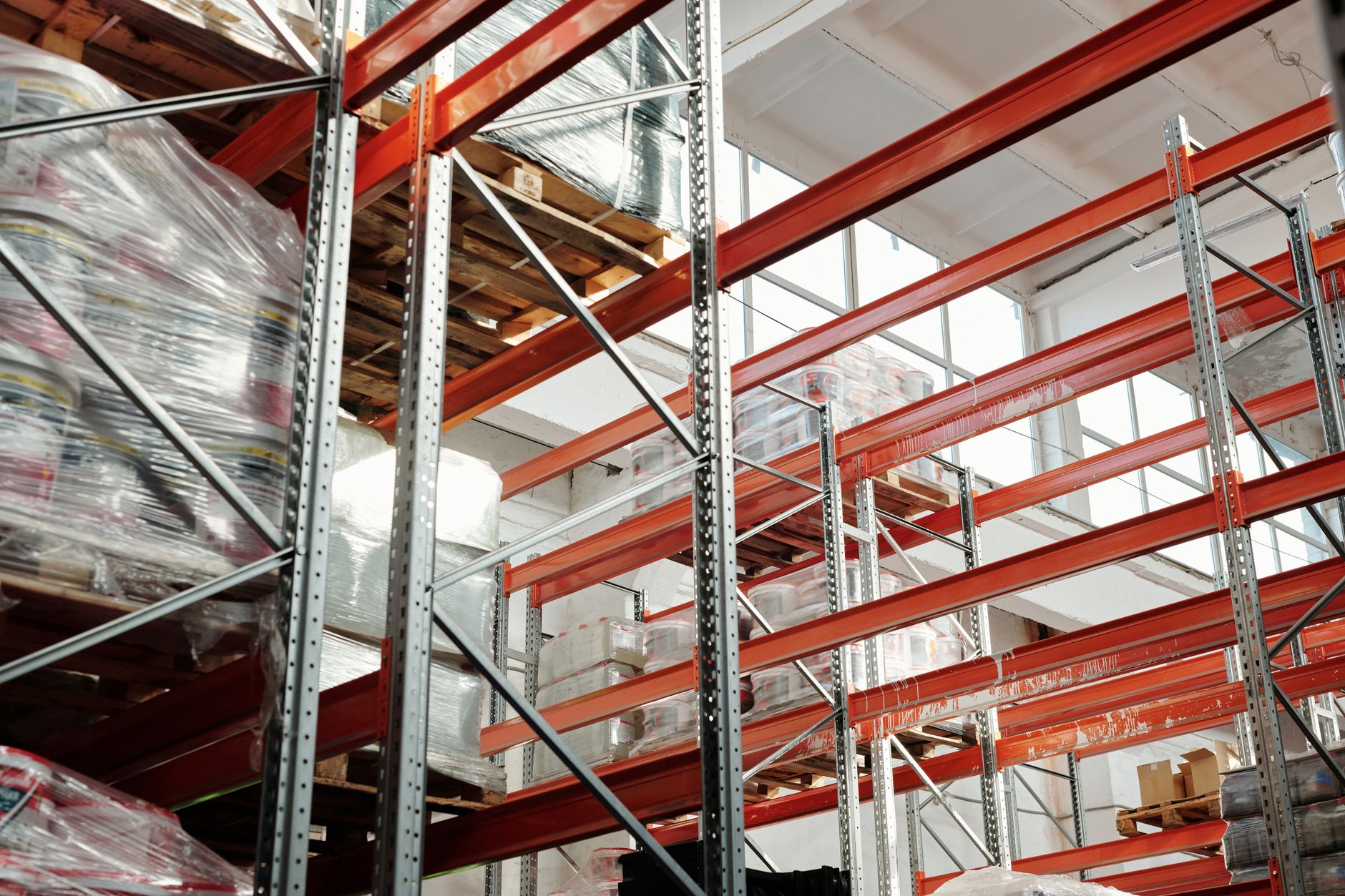
The warehouse building boom made sense at the time. Consumer spending shifted hard toward goods during the pandemic years, and the lesson companies took from empty shelves and shipping delays was to hold more inventory closer to customers. That logic translated directly into signed leases – lots of them, often for spaces far larger than a company’s immediate needs, on the theory that growth would catch up to capacity. Developers read the same signals and broke ground accordingly.
What no one adequately priced in was the reversal. Consumer spending rotated back toward services. Inflation squeezed discretionary budgets. Retail inventory, which had been rebuilt aggressively through 2022, hit levels that required actual digestion rather than more warehousing. The multi-year demand surge that had been treated as a new baseline turned out to be a one-time recalibration that companies mistook for a permanent new normal. Meanwhile, construction pipelines built for a hot market kept delivering product into a cooling one.
E-commerce growth, while still positive, normalized. The explosive annual growth rates that justified aggressive real estate commitments have moderated, and companies operating on tighter margins are scrutinizing their cost structures. Warehouse rent is a line item that gets attention when a CFO is looking for places to trim. The calculation that once made signing a 500,000-square-foot lease feel like a smart hedge now looks different when that space sits partially utilized and the rent bill arrives monthly.
Where the Pressure Is Landing
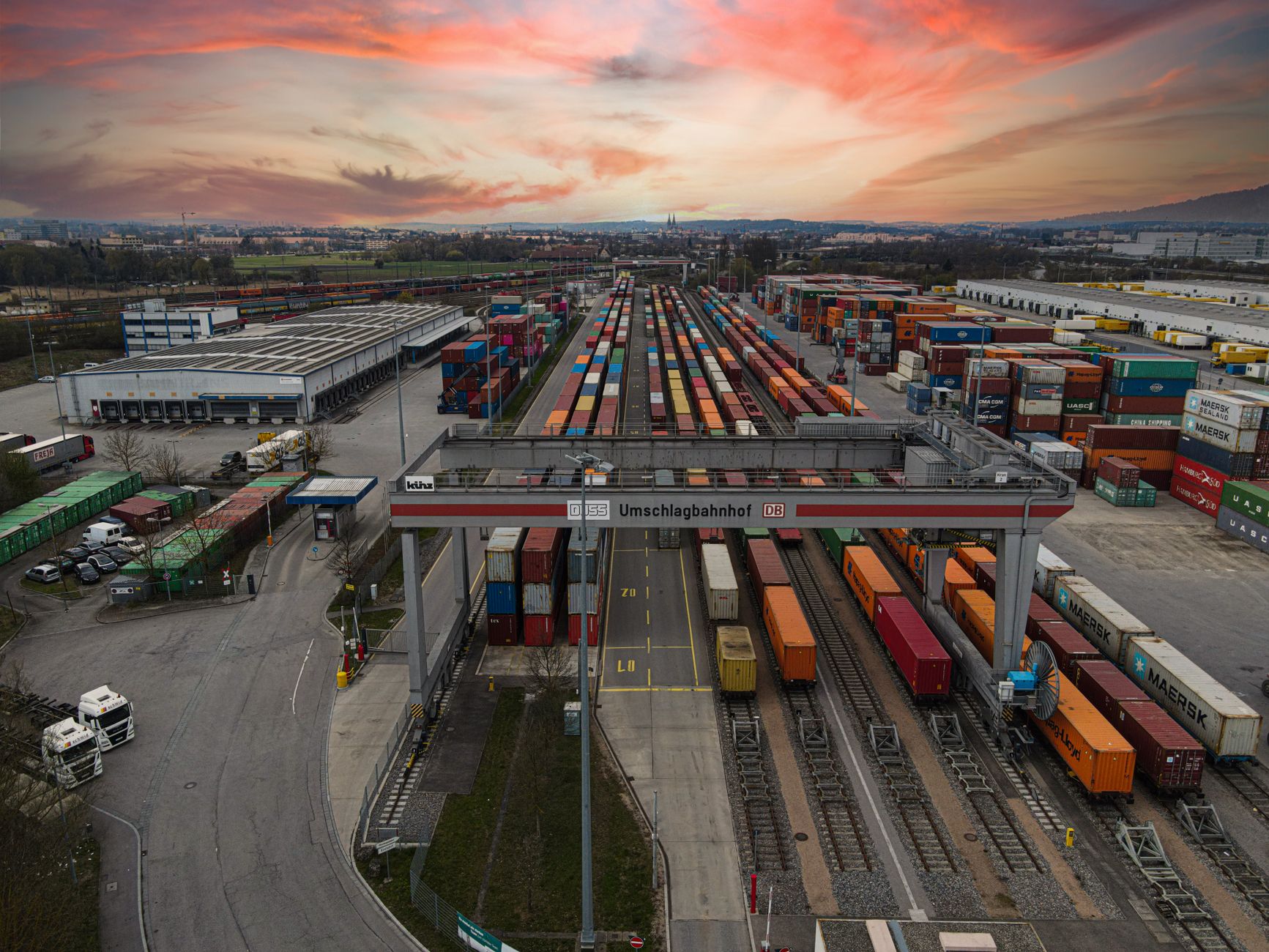
Landlords who locked in long-term leases at peak rents are, for now, insulated. The pressure is concentrated on new deliveries coming to market without pre-committed tenants, and on properties where shorter-term leases are expiring. In those situations, the negotiating dynamic has inverted. Tenants are asking for concessions – free rent periods, tenant improvement allowances, shorter initial terms – and in many markets they are getting them. Asking rents have stayed relatively sticky because landlords resist cutting headline numbers, but effective rents, after concessions are factored in, have moved.
The geography matters. Markets that absorbed the most speculative development during the boom years are facing the steepest climb back to equilibrium. Secondary markets that benefited from supply chain diversification strategies – companies wanting footprints outside their primary distribution hubs – are seeing some tenant pullback as those diversification plans get scaled down. Port-adjacent markets retain more structural demand because goods still need to move through those nodes, but even there, the pace of new leasing has slowed noticeably.
Automation is also quietly reshaping demand. As automation clauses expand across logistics labor agreements, companies investing in robotics and automated picking systems can operate the same throughput in less physical space. A company that needed 400,000 square feet of conventional warehouse to handle its order volume may find, after a technology upgrade, that 280,000 square feet of automation-optimized space accomplishes the same work. That dynamic quietly reduces gross square footage demand even as the underlying business grows.
No Quick Reset Ahead
The supply pipeline will not stop overnight. Projects already under construction will complete regardless of current market conditions, adding to available inventory through at least 2025 and likely beyond in some regions. Developers are pulling back on new groundbreakings, and construction starts data shows that clearly, but the lag between a changed market signal and an actual reduction in deliveries is measured in years, not quarters. Landlords in oversupplied markets are looking at a prolonged period of concession pressure, rising tenant incentive packages, and slower rent growth – or outright rent decline in the softest submarkets.
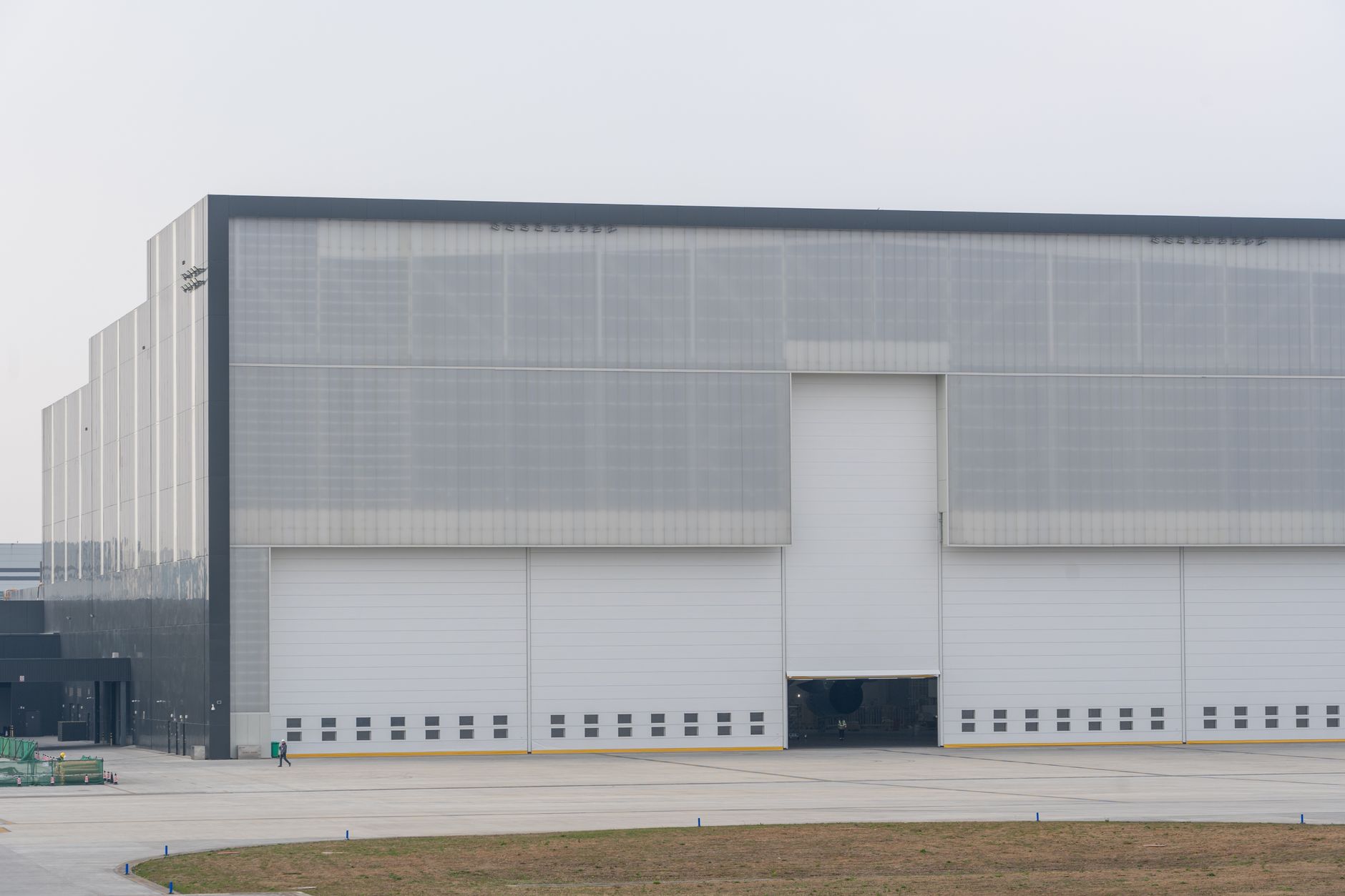
The companies with the most exposure are the ones who bet heavily on e-commerce tenants signing long-term commitments in 2024 and 2025. Those tenants exist, but they have options now, and options change behavior. A retailer or logistics operator shopping for 200,000 square feet in a major market today has multiple buildings competing for its business, landlords willing to offer meaningful concessions, and no particular pressure to move quickly. That is a fundamentally different conversation than the one being had two years ago, and the industrial real estate market is working through what that means for valuations, refinancing, and the project pipelines still sitting on developers’ desks.
Frequently Asked Questions
Why are warehouse vacancy rates rising in 2024?
A surge of new supply greenlit during the 2021-2022 boom keeps delivering into a market where e-commerce and retail demand has normalized, leaving more space without committed tenants.
Which warehouse markets are most affected by the glut?
Markets that absorbed heavy speculative development – including Southern California’s Inland Empire, New Jersey’s logistics corridors, and Dallas-Fort Worth – are seeing the sharpest rise in available space.