




When the Pharmacy Closes, the Neighborhood Feels It for Years
Chain pharmacy closures are no longer just a retail story. When a Walgreens or CVS shuts its doors in a low-income zip code, it rarely gets replaced – by anything. The building sits empty, the prescription pickup counter goes dark, and residents who depended on that location for insulin, blood pressure medication, or asthma inhalers are left to figure out a new plan without a car, without time off work, and often without reliable public transit to reach the next-closest option.
The term “pharmacy desert” – defined broadly as a census tract where residents live more than a mile from a retail pharmacy in urban areas, or more than 10 miles in rural ones – is increasingly being applied to neighborhoods that once had coverage. These are not just underserved communities that never had access. They are places where access existed and then was taken away, block by block, as chains consolidated their footprints in pursuit of margin.
The Closure Math and Who Gets Left Behind
Walgreens announced plans to close around 1,200 stores over the next three years, with CVS following a similar path by trimming hundreds of locations from its network. Both companies have cited falling reimbursement rates from pharmacy benefit managers, labor costs, and the shifting volume toward mail-order and specialty pharmacy as the economic forces behind the decisions. The logic at the corporate level is coherent. The problem is where those closures land.
A consistent pattern has emerged: stores closing at higher rates in zip codes with lower median household incomes, higher rates of uninsured residents, and larger proportions of elderly populations. These are not coincidental overlaps. They reflect which locations were already operating at the thinnest margins – the ones that were last to be opened during expansion decades ago and first to be cut when the business model changed.
Independent pharmacies, which many assume will fill the gap, are not positioned to absorb the demand. They face the same reimbursement squeeze that pressured the chains, and they do not have the capital reserves or supplier relationships to open new locations in distressed markets. Many independent owners are actually watching their own businesses shrink as their patient base loses transportation access to reach them after a nearby chain closes.

What a Pharmacy Desert Actually Does to Health
The health consequences of pharmacy access loss are direct and measurable, even without citing specific studies. Medication adherence drops when people cannot easily refill prescriptions. For chronic conditions – diabetes, hypertension, heart disease – missing doses is not a minor inconvenience. It accelerates disease progression, leads to preventable hospitalizations, and generates far larger healthcare costs downstream than the retail pharmacy ever would have cost to maintain.
Mail-order pharmacy, often cited as the modern solution, does not cover the full population that loses walk-in access. People experiencing housing instability, those who lack a permanent address or reliable mail delivery, residents of dense apartment buildings with package theft issues – these groups cannot simply switch to a 90-day mail delivery model. The assumption that digital and remote pharmacy alternatives make physical locations redundant ignores the reality of how the most vulnerable patients actually receive care.
The Economic Spiral That Follows
A pharmacy closure does not just affect prescriptions. In low-income neighborhoods, the chain pharmacy is often one of the few remaining anchor tenants – a store where people buy groceries, over-the-counter medications, personal care products, and household basics. When it closes, foot traffic drops. Neighboring small businesses that depended on that traffic feel it within months. The economic ripple is real, even if it is invisible in the quarterly earnings reports that drove the original decision.
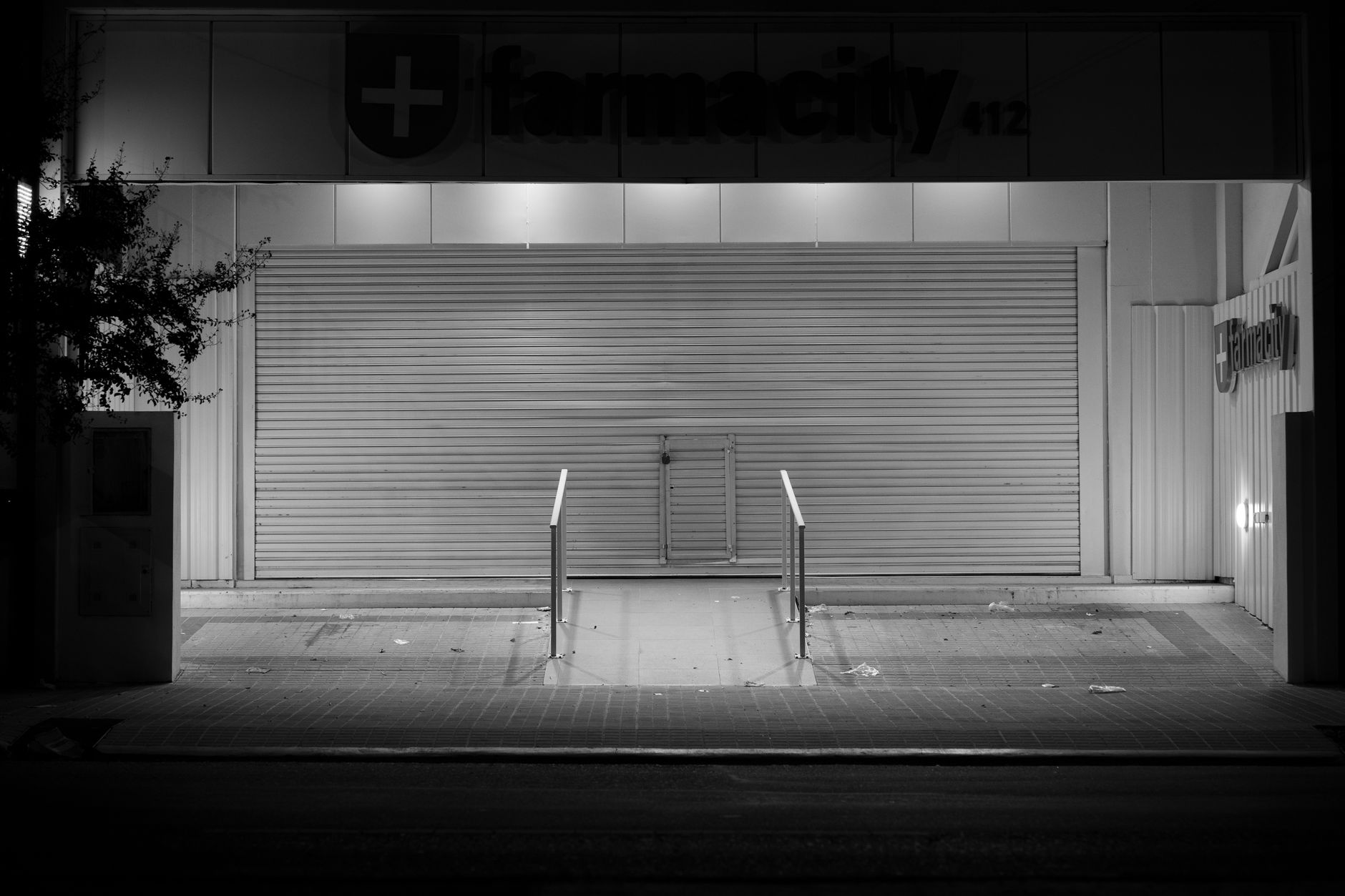
Property values in affected blocks tend to soften when anchor retail disappears, which compounds the challenge of attracting any replacement. A vacant pharmacy building – often a large, specialized footprint designed for drive-through windows and pharmaceutical storage – is not easily converted to another use without significant capital investment. These buildings can sit empty for years, signaling to the rest of the neighborhood that disinvestment is ongoing.

Local governments have limited tools to respond. Some municipalities have explored pharmacy subsidy programs or zoning incentives to attract independent operators, but without addressing the underlying reimbursement economics, those efforts tend to produce short-term results. A subsidized pharmacy that cannot cover its operating costs on prescription margins alone will close again in two or three years, leaving the community in the same position with even less political appetite for a second round of intervention.
The population most exposed to pharmacy deserts – older, lower-income, managing multiple chronic conditions – is also the population that tends to have the fewest alternatives for self-advocacy. They are not downloading telehealth apps or scheduling consultations through digital platforms. They are calling a number that has been disconnected, standing at a door that no longer opens, and working out how to get somewhere else before their next refill date. That is the specific, ground-level reality that the closure announcements do not address, and that the replacement strategies have not yet solved.