




Top Stories

USPS delivery slowdowns are disrupting mail-order pharmacy access for rural patients who depend on postal prescriptions as their only viable option.







Credit unions face mounting pressure as member deposits flow toward higher-yield alternatives, straining the nonprofit lending model at its core.

Medicaid unwinding has quietly shifted fiscal pressure onto rural county general assistance budgets, straining thin local safety nets with no federal backstop or relief mechanism in sight.

Egg carton shortages are disrupting school lunch supply chains, forcing districts to swap fresh eggs for pricier processed substitutes and straining already tight nutrition budgets.

Private credit funds have raised over $1.4 trillion, displacing banks as middle-market companies seek faster, more flexible financing solutions.




Nonprofit hospitals face growing legislative pressure to justify billions in annual tax exemptions, with states and Congress questioning whether charity care spending matches the subsidy.

Auto loan delinquencies are rising as used car values fall, leaving borrowers underwater and lenders facing shrinking recovery rates on repossessed vehicles.

State legislatures are advancing payday loan rollover bans as federal regulation stalls. Here’s what the laws do, where they’re gaining ground, and what borrowers face.

A solar panel glut driven by Chinese oversupply is crushing installer margins across the Sun Belt, exposing a business model built on hardware markups that no longer exist.
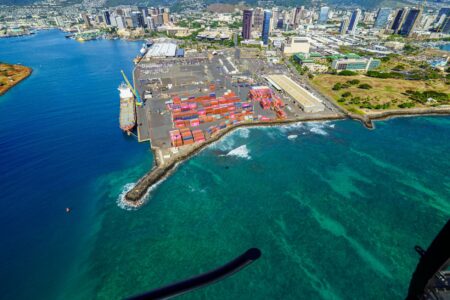
Hiring freezes at major U.S. seaports are spreading as cargo increasingly reroutes to inland hubs, hitting casual dock workers hardest. The jobs aren’t disappearing – they’re moving.
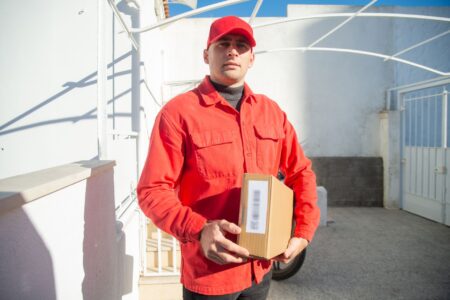
USPS losses deepen as parcel volume plateaus and first-class mail keeps falling. The agency’s financial buffers are shrinking with no clear fix in Congress.

Grocery loyalty card data is quietly feeding food policy decisions, from SNAP debates to food desert policy, with little public oversight or disclosure.
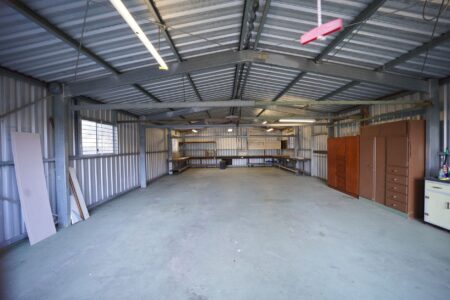
Importers who stockpiled goods ahead of tariffs are now drowning in warehouse costs, forcing liquidations and reshaping freight demand across major logistics hubs.