





Major pharmacy chains are closing hundreds of locations across the United States, and the communities left behind are not just losing a place to pick up prescriptions – they are losing one of the few remaining anchors of accessible healthcare in their neighborhoods.

The Scale of the Retreat
Walgreens announced plans to close roughly 1,200 stores over three years, a number that startled even retail analysts who had been tracking the chain’s declining foot traffic for years. CVS has pursued its own wave of closures, shutting hundreds of locations since 2021 with more expected. Rite Aid, still navigating the wreckage of its 2023 bankruptcy, has closed well over a thousand stores. The three largest pharmacy chains in the country are all contracting at the same time, and the math is straightforward: fewer stores means larger geographic gaps between people and their medications.
The closures are concentrated in areas that were already underserved – low-income urban neighborhoods, rural counties with aging populations, and suburban communities that anchor chains deemed insufficiently profitable. A pharmacy that was the only option within several miles does not simply represent a lost convenience when it shuts down. For a diabetic patient managing insulin, an elderly resident who cannot drive, or a parent filling an antibiotic prescription at 9 p.m., the nearest open pharmacy suddenly becomes a logistical crisis.
The business reasons are not difficult to understand. Pharmacy reimbursement rates from pharmacy benefit managers – the intermediaries that negotiate drug pricing between insurers and pharmacies – have squeezed margins so tightly that many retail locations operate near breakeven or at a loss. Shrink, meaning theft and inventory loss, became a growing cost driver in high-traffic urban stores. And front-of-store retail, which historically helped subsidize pharmacy operations, has struggled against competition from dollar stores, online retailers, and mass merchants. The traditional corner drugstore model was built for a different competitive environment.
What makes this moment different from routine retail contraction is the essential nature of what pharmacies provide. A closed clothing boutique is an inconvenience. A closed pharmacy in a neighborhood where a third of residents are over 65 or lack reliable transportation is a public health problem. That distinction is what has drawn attention from state health officials, consumer advocates, and some members of Congress who are now asking whether pharmacy access should be treated more like utility infrastructure than retail real estate.
Who Gets Left Behind
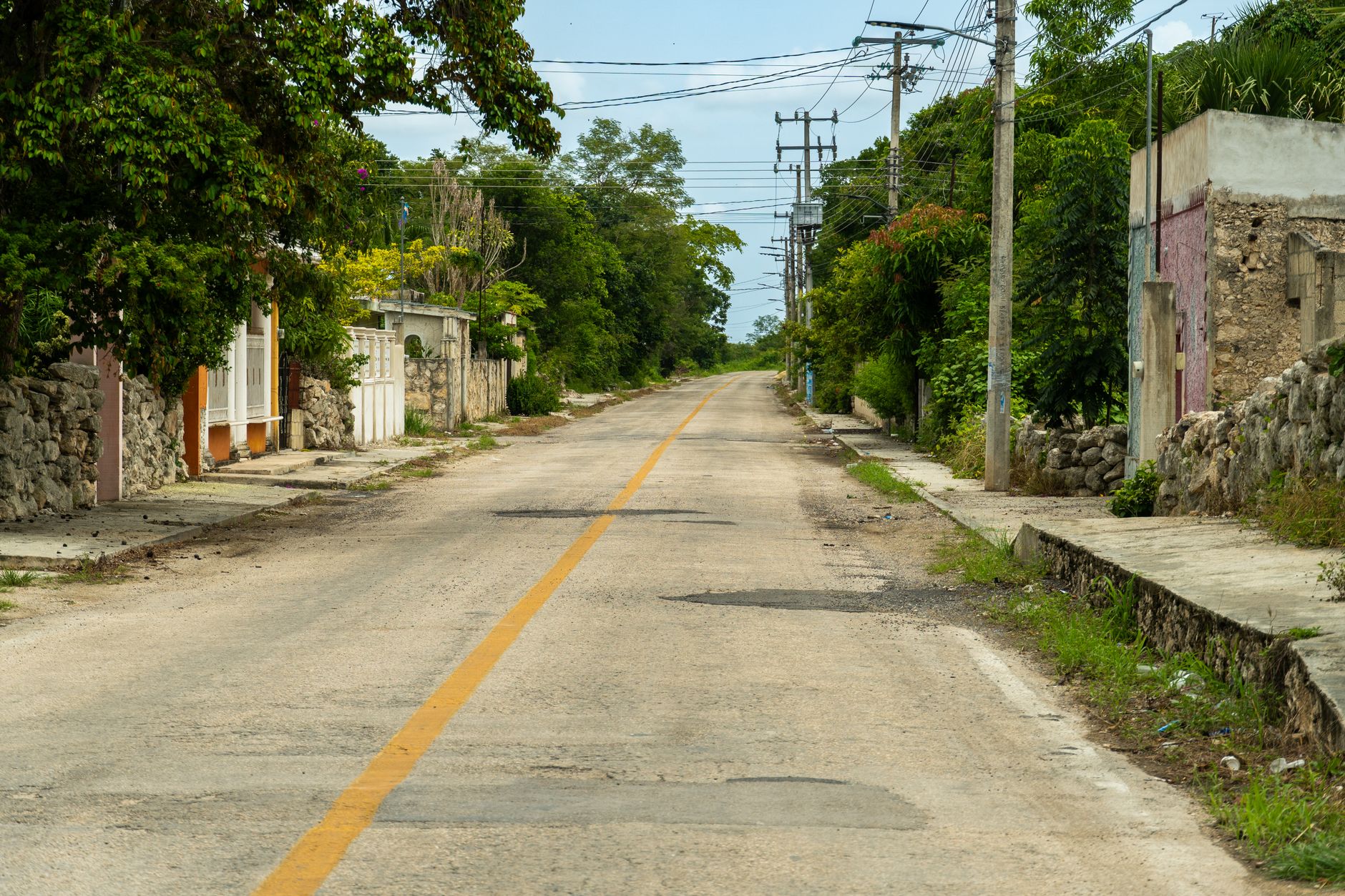
The concept of a “pharmacy desert” – defined, loosely, as a census tract where residents must travel more than one mile in an urban area, or more than ten miles in a rural one, to reach the nearest pharmacy – is not new. But the current wave of closures is expanding these zones in ways that were not projected even a few years ago. Rural communities that had one pharmacy tethered to a chain are now being cut off entirely. Urban areas that once had multiple locations within walking distance are being reduced to one, or none.
Independent pharmacies have not rushed in to fill the void, and the reasons are structural. Opening a pharmacy requires significant capital, licensing, insurance contracts, and a supply chain relationship with drug wholesalers. Independent operators are also subject to the same reimbursement pressure from pharmacy benefit managers that drove the chains to close. Several independent pharmacy associations have been vocal about the margin problem for years, arguing that below-cost reimbursements make it financially impossible to serve certain patient populations regardless of how a pharmacy is owned.
Mail-order pharmacy, which insurers have increasingly pushed as a cost-saving alternative, does not solve the access problem for patients who need same-day medications, controlled substances that cannot be mailed under certain regulations, or counseling from a pharmacist in person. A 90-day supply of a maintenance medication mailed to a stable patient is a reasonable substitute. A 48-hour wait for an antibiotic when a child has an ear infection is not.
Grocery store pharmacies and big-box chains like Walmart and Costco have absorbed some of the demand, but their footprints do not match the neighborhoods losing coverage. Walmart’s pharmacy closures – it announced the shutdown of all its health clinics in 2024 – added another layer to the retreat. The assumption that large retailers would naturally backfill pharmacy deserts is proving wrong in practice. Retailers follow purchasing power and foot traffic, not healthcare need.
The population most exposed to these closures is also the population with the least flexibility to adapt. Patients managing multiple chronic conditions, who require regular medication pickups and pharmacist consultations, often cannot simply pivot to a different system. Transportation barriers, cognitive limitations, and fixed schedules make the extra distance to a surviving pharmacy genuinely prohibitive for a segment of affected residents. The healthcare costs of medication non-adherence – hospitalizations, emergency department visits, worsening chronic disease – tend to be far higher than the cost of keeping a local pharmacy open, but those costs fall on hospitals and insurers rather than on the chains making closure decisions.

What Comes Next
Some states have begun exploring regulatory responses, including requirements that chains provide advance notice before closing locations in underserved areas, or that they help facilitate transitions to independent operators. Federal legislators have raised the pharmacy benefit manager reimbursement issue in hearings, though reform legislation has moved slowly. A handful of hospital systems and community health centers have started operating their own pharmacies to serve patients in closure-affected areas, a workaround that addresses individual facilities but does not scale to whole neighborhoods.
The harder question is whether any of the proposed fixes address the underlying economics. Reimbursement reform for pharmacy benefit managers would help, but the lobbying power those entities carry has stalled meaningful change for years. State-level licensing and transition rules add friction to closures but cannot compel a chain to operate an unprofitable store indefinitely. And for every community that successfully attracts an independent operator to a vacated storefront, there are others where no one steps up – leaving residents to manage their prescriptions through combinations of mail delivery, occasional long-distance trips, and, increasingly, nothing at all. In towns where the nearest pharmacy is now a 45-minute round trip, that last option is not hypothetical.