




Major fast casual restaurant chains are ditching traditional expansion strategies in favor of ghost kitchens, transforming vacant strip mall spaces and unused commercial kitchens into delivery-only operations that can launch new markets without the overhead of full-service locations.
The shift represents a fundamental change in how established brands like Chipotle, Panera, and Sweetgreen approach growth. Rather than investing millions in prime real estate and dining room buildouts, these companies are testing markets through ghost kitchen partnerships and converted spaces that focus exclusively on digital orders and third-party delivery platforms.
Digital-First Operations Drive Cost Savings
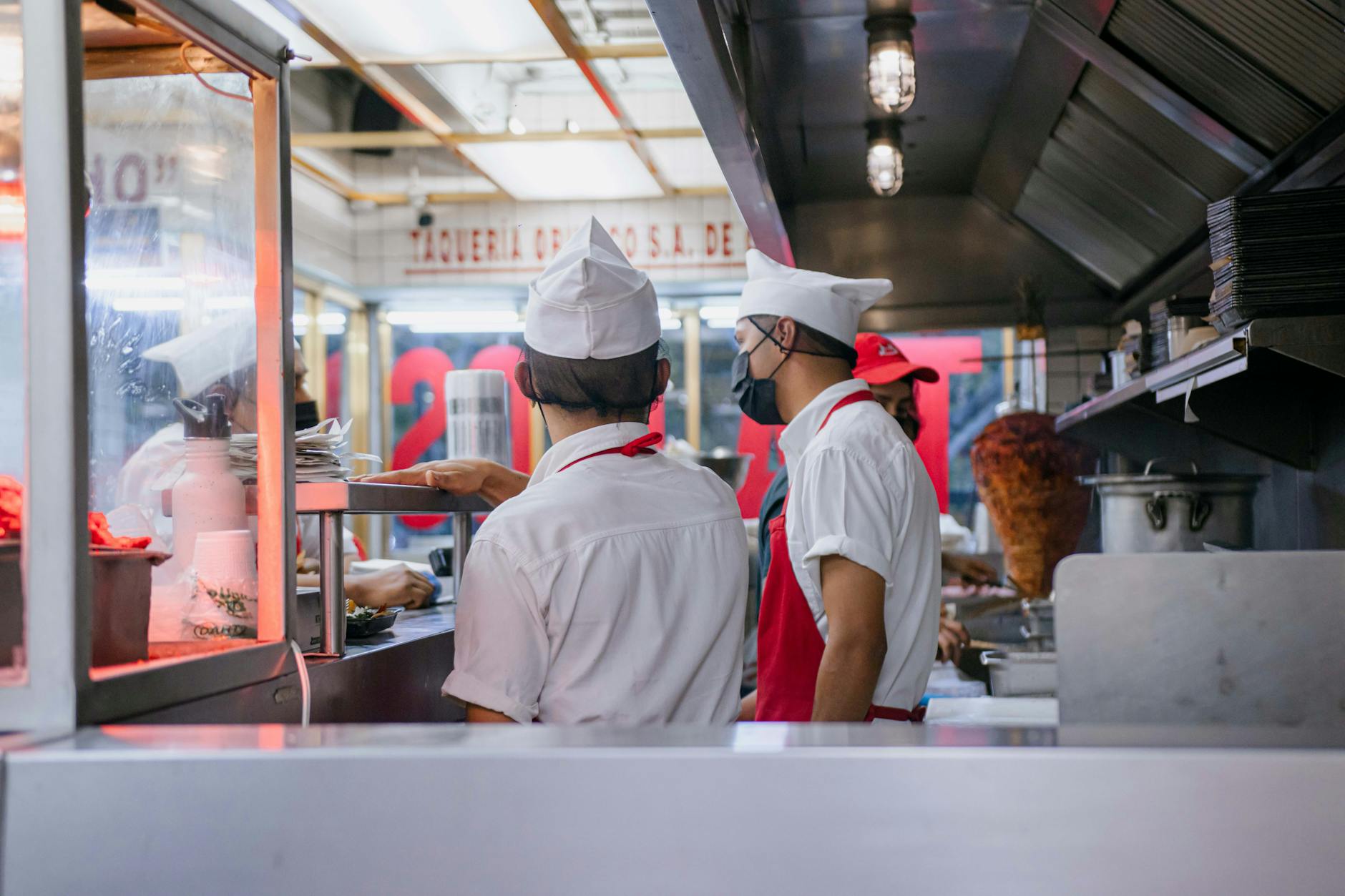
Ghost kitchens eliminate the most expensive components of traditional restaurant expansion: front-of-house staff, dining room real estate, and customer-facing amenities. A typical fast casual location requires 2,500 to 4,000 square feet in high-traffic areas, with buildout costs often exceeding $500,000. Ghost kitchen spaces, by contrast, operate efficiently in 500 to 1,500 square feet of industrial or converted retail space.
Sweetgreen has partnered with Kitchen United to establish ghost kitchen locations in markets like Phoenix and Denver, testing demand before committing to full-format stores. The salad chain can operate these locations with 60% fewer staff members while maintaining the same menu quality and preparation standards that define the brand experience.
Chipotle has taken a different approach, creating “Chipotlanes” – drive-through only locations that blend ghost kitchen efficiency with limited customer interaction. These scaled-down formats allow the Mexican chain to enter suburban markets where traditional store economics might not work, particularly in areas with high real estate costs but strong delivery demand.
The operational advantages extend beyond cost savings. Ghost kitchens can pivot more quickly to changing consumer preferences, adjust menu offerings based on local tastes, and scale up or down based on demand patterns without the constraints of lease commitments and physical infrastructure.
Technology Integration Streamlines Operations
Fast casual chains are leveraging advanced kitchen technology to maximize efficiency in ghost kitchen formats. Automated inventory systems, AI-driven demand forecasting, and integrated ordering platforms allow these smaller operations to maintain consistency while reducing labor requirements.
Panera has implemented cloud-connected ovens and prep stations in their ghost kitchen locations, enabling remote monitoring and quality control across multiple sites. Kitchen managers can adjust cooking times, monitor food safety temperatures, and track order fulfillment from centralized dashboards, ensuring brand standards remain consistent across all formats.
The integration with third-party delivery platforms has become more sophisticated, with restaurants using data analytics to optimize menu placement, pricing strategies, and promotional campaigns based on local market conditions. Chains can test new menu items in ghost kitchen locations before rolling them out systemwide, using real-time sales data and customer feedback to refine offerings.
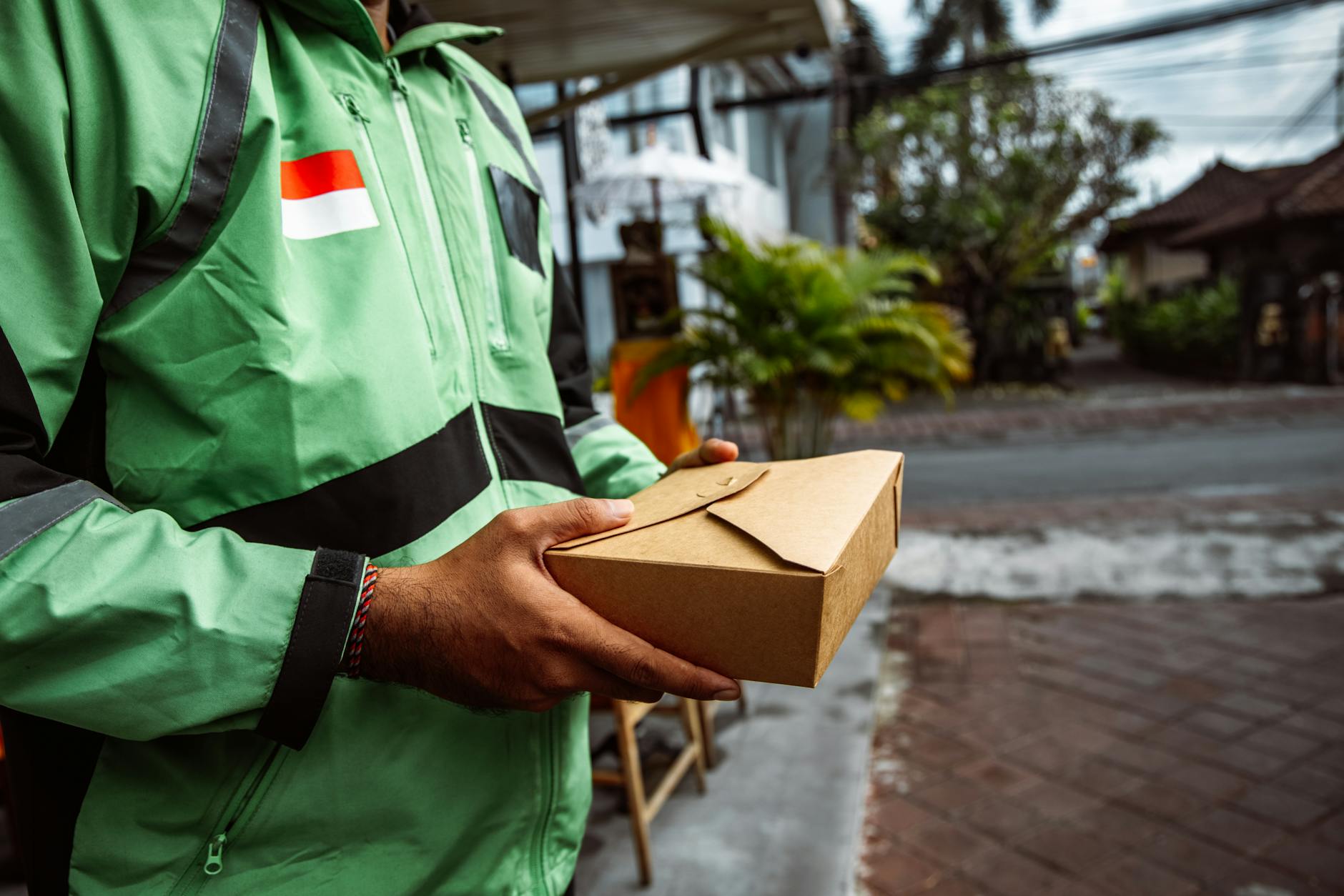
Mobile ordering integration has proven particularly crucial for ghost kitchen success. Customers interact with the brand entirely through digital channels, making app functionality and user experience critical to maintaining customer loyalty. Chains have invested heavily in improving their mobile platforms, adding features like order customization, loyalty program integration, and real-time order tracking.
Market Expansion Without Traditional Risk
Ghost kitchens enable fast casual chains to enter new geographic markets with significantly reduced risk exposure. Traditional market entry requires extensive demographic research, site selection, and substantial upfront investment before determining market viability. Ghost kitchen models allow brands to test markets quickly and adjust strategies based on actual performance data.
Several chains have used ghost kitchens to expand into college towns, suburban areas, and secondary markets that might not support full-format locations. The lower barrier to entry means brands can establish presence in 20-30 new markets simultaneously, something that would be financially prohibitive using traditional expansion models.
The strategy has proven particularly effective during economic uncertainty. While full-service restaurant expansion has slowed due to inflation and labor costs, ghost kitchen networks continue growing. Chains can maintain growth trajectories without the capital intensity and operational complexity of traditional brick-and-mortar expansion.
International expansion has also benefited from ghost kitchen models. Brands can establish operations in new countries through local ghost kitchen partnerships, testing menu adaptations and consumer preferences without the regulatory and logistical challenges of establishing full restaurant operations.
Challenges and Adaptation Strategies
Despite operational advantages, ghost kitchens present unique challenges for fast casual brands built around customer experience and community connection. Chains must maintain brand identity and food quality without direct customer interaction, relying entirely on packaging, delivery experience, and digital touchpoints.
Quality control becomes more complex when food travels longer distances and sits in delivery bags for extended periods. Chains have redesigned packaging systems, adjusted recipes to maintain texture and temperature during transport, and implemented strict delivery time standards to preserve food quality.

Brand visibility suffers without physical storefronts and customer-facing locations. Fast casual chains have increased digital marketing spend and partnered with delivery platforms to maintain brand awareness in markets served exclusively through ghost kitchens. Some chains create hybrid models, combining ghost kitchen operations with limited pickup windows or branded delivery vehicles to maintain local market presence.
Future of Fast Casual Expansion
The ghost kitchen trend shows no signs of slowing as consumer behavior continues shifting toward delivery and digital ordering. Industry analysts project that ghost kitchen operations will represent 30% of fast casual expansion over the next five years, with traditional full-service locations reserved for flagship markets and high-traffic urban areas.
Integration with emerging technologies like autonomous delivery vehicles and drone systems could further enhance ghost kitchen efficiency. As delivery logistics evolve across industries, restaurants are positioning themselves to capitalize on faster, more cost-effective distribution methods.
The model’s success has attracted investment from real estate developers and technology companies looking to capitalize on the shift away from traditional restaurant formats. Purpose-built ghost kitchen facilities with shared infrastructure and technology platforms are emerging in major metropolitan areas, creating restaurant ecosystems designed specifically for delivery-focused operations.
Fast casual chains that embrace ghost kitchen expansion are fundamentally reshaping how restaurants think about growth, customer interaction, and market presence in an increasingly digital food service landscape.
Frequently Asked Questions
What are ghost kitchens in the restaurant industry?
Ghost kitchens are delivery-only restaurant operations without dining rooms, focusing exclusively on food preparation for third-party delivery platforms.
How do ghost kitchens reduce expansion costs for restaurants?
Ghost kitchens eliminate dining room buildouts, front-of-house staff, and prime real estate costs while requiring 60-70% less space than traditional restaurants.