





McDonald’s announced its largest drive-thru expansion in company history this quarter, with 500 new drive-thru-only locations planned across the United States. The golden arches aren’t alone – Taco Bell, Chick-fil-A, and Starbucks are racing to capitalize on America’s unwavering love affair with car-based convenience, fundamentally reshaping the fast food landscape.
Drive-thru sales now account for 70% of all quick-service restaurant revenue, according to industry data from QSR Magazine. What started as pandemic necessity has evolved into permanent consumer preference, driving chains to reimagine their entire business model around the car window rather than the dining room.
Real Estate Revolution Transforms Restaurant Economics
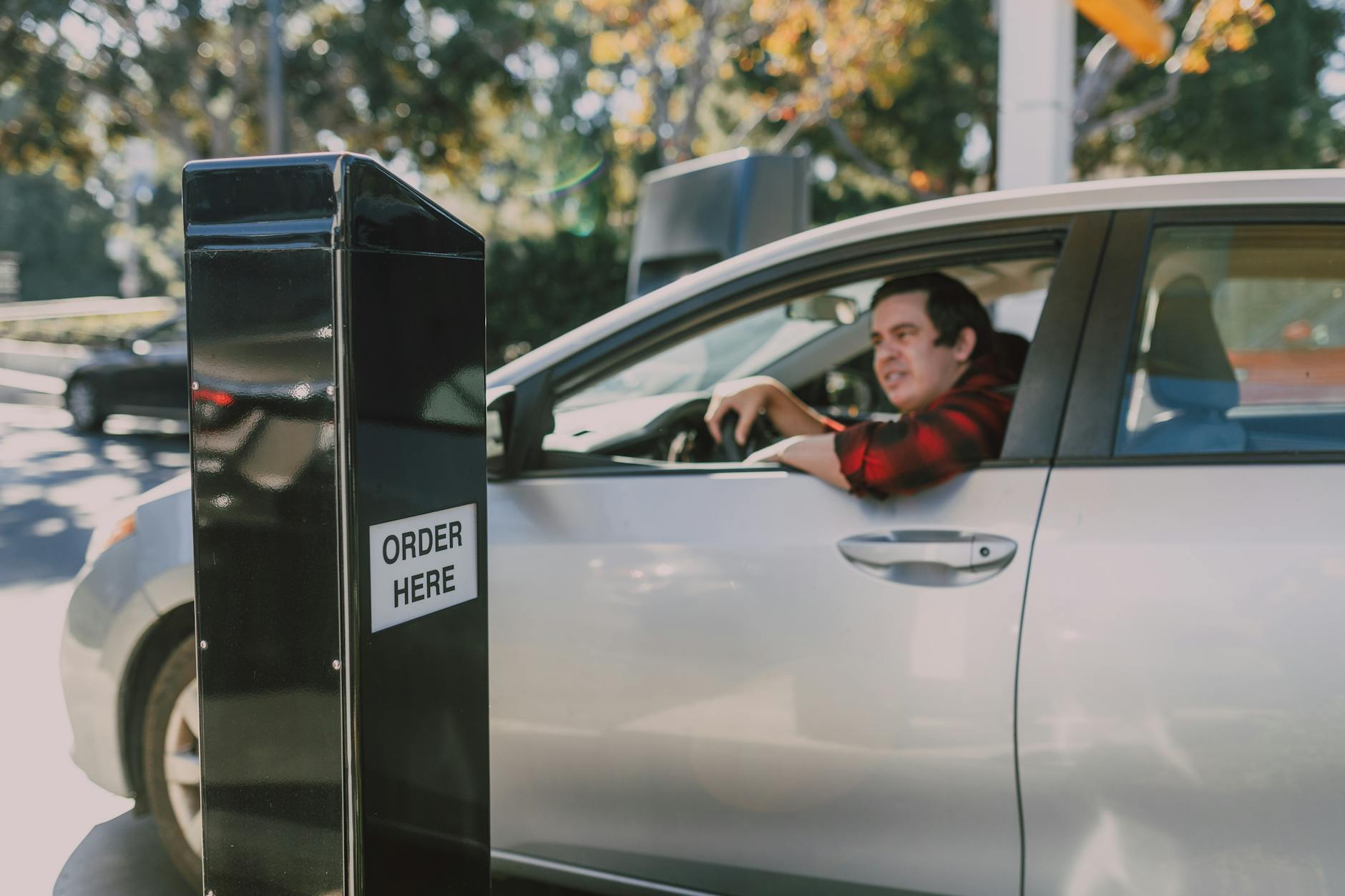
The numbers tell a compelling story. Traditional fast food restaurants require 2,500 to 4,000 square feet of space, while drive-thru-only locations operate efficiently in just 600 to 1,200 square feet. This dramatic reduction in footprint translates to significant cost savings across rent, utilities, and staffing.
Chick-fil-A’s drive-thru-only pilot program in Nashville generated 15% higher profits per square foot compared to traditional locations, according to company reports. The chain plans to open 75 drive-thru-only restaurants this year, focusing on dense urban markets where real estate costs traditionally made expansion prohibitive.
Taco Bell’s “Go Mobile” format takes the concept further, featuring dual drive-thru lanes, mobile order pickup windows, and zero indoor seating. The chain opened 50 such locations in 2023 and plans to double that number in 2024. CEO Mark King describes the format as “the future of fast food,” emphasizing speed and convenience over dining experience.
Starbucks, meanwhile, is retrofitting existing locations and building new “pickup-only” stores specifically designed for mobile orders and drive-thru service. The coffee giant reports that drive-thru transactions are 30% faster at dedicated pickup locations compared to traditional stores with full seating areas.
Technology Integration Drives Efficiency Gains
Advanced technology powers this drive-thru revolution. AI-powered menu boards adjust offerings based on time of day, weather conditions, and historical sales data. McDonald’s has tested artificial intelligence voice assistants at select drive-thru locations, though the technology remains in pilot phases due to accuracy concerns.
Digital menu boards now dominate drive-thru lanes, allowing real-time price adjustments and promotional updates. Dunkin’ reports that digital boards increase average order value by 8% through strategic upselling displays and limited-time offer promotions.
Mobile app integration proves equally crucial. Customers place orders ahead of arrival, reducing wait times and eliminating order accuracy issues. Panera Bread’s drive-thru locations achieve average service times of 90 seconds for mobile orders compared to 180 seconds for traditional ordering, according to company metrics.
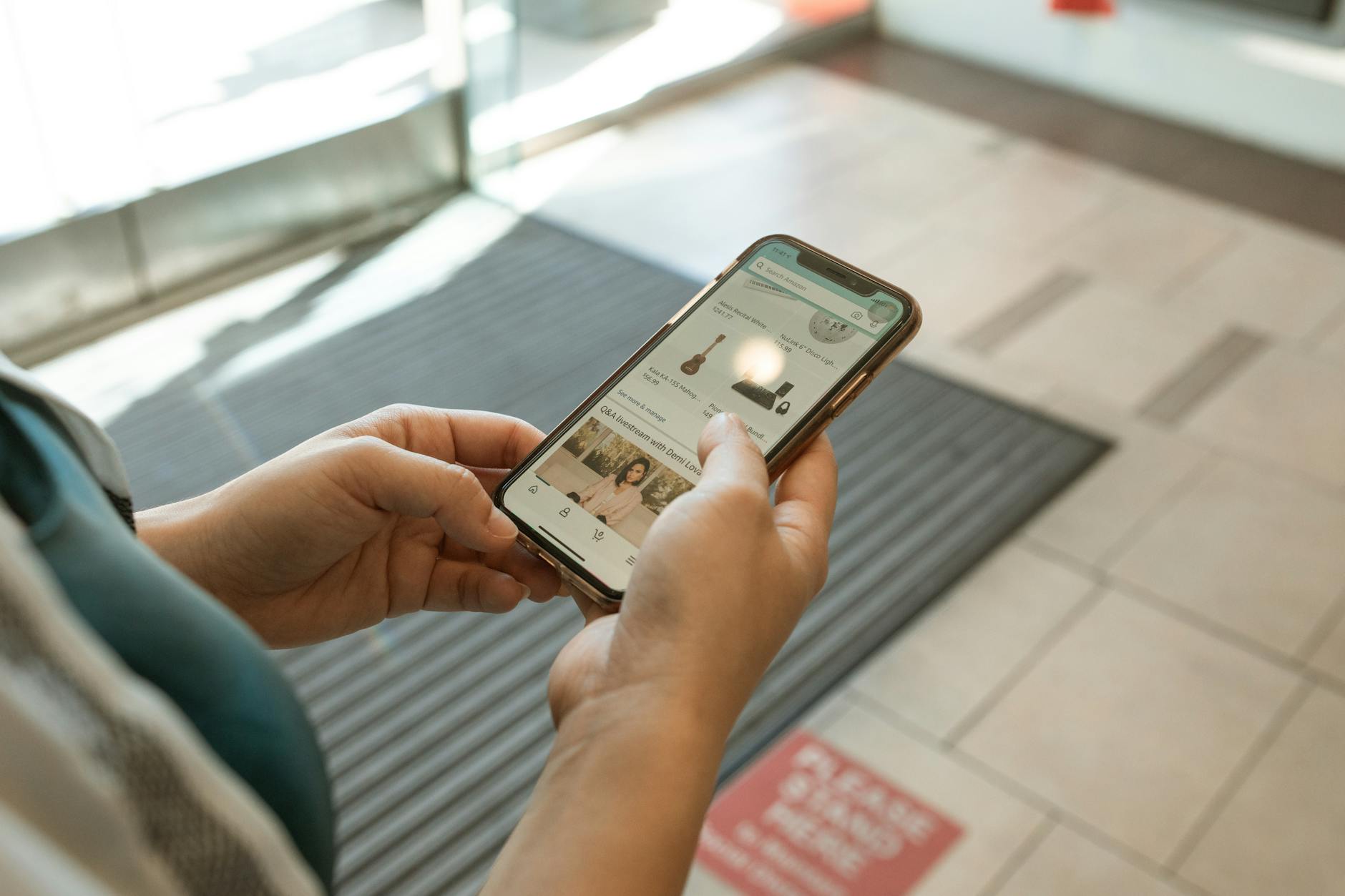
Geofencing technology automatically notifies restaurants when customers approach, triggering order preparation before arrival. This system works particularly well for coffee chains, where drink preparation time often exceeds drive-thru wait times.
Labor Market Pressures Accelerate Adoption
Persistent labor shortages make drive-thru-only models increasingly attractive to restaurant operators. These locations typically require 40% fewer employees than traditional restaurants, eliminating front-of-house positions while maintaining kitchen and drive-thru window staff.
The simplified operational model reduces training requirements and management complexity. Employees focus exclusively on order fulfillment and customer service at the drive-thru window, rather than juggling dine-in customers, mobile orders, and drive-thru service simultaneously.
Wage pressures also factor into the equation. Drive-thru-only locations can offer competitive wages to fewer employees while maintaining profitability, addressing worker retention challenges that plague the industry. Several chains report lower turnover rates at drive-thru-only locations compared to traditional restaurants.
Automation continues advancing in kitchen operations, with robotic fryers, automated beverage dispensers, and AI-powered order routing systems reducing labor dependency further. White Castle has experimented with fully automated burger preparation, though widespread adoption remains years away.
Consumer Behavior Shifts Permanent
Post-pandemic consumer research reveals lasting changes in dining preferences. Convenience consistently ranks as the top priority for 78% of fast food customers, according to Technomic’s consumer survey data. Speed of service, order accuracy, and ease of access matter more than ambiance or dining experience for the majority of quick-service restaurant visits.
Younger consumers, particularly Gen Z and younger millennials, show strong preference for mobile ordering and contactless pickup options. These demographic groups view drive-thru and pickup services as standard features rather than premium conveniences.
Subscription model fatigue affects other industries, but loyalty programs remain strong in fast food. Drive-thru-only locations often feature enhanced loyalty integration, with automatic point accumulation and personalized offers delivered through mobile apps.
Market Expansion Challenges Traditional Models
The drive-thru-only trend creates new competitive dynamics within the industry. Chains without strong drive-thru capabilities face disadvantages in market expansion and customer retention. Subway, historically focused on walk-in counter service, has aggressively added drive-thru capabilities to new and existing locations to remain competitive.
Urban market penetration becomes possible through smaller footprints. Cities like San Francisco and Manhattan, where traditional restaurant space commands premium rents, now see drive-thru-only locations in previously unviable areas.
Real estate developers are adapting, creating specialized retail spaces designed specifically for drive-thru-only concepts. These developments feature efficient traffic flow patterns, multiple drive-thru lanes, and compact building designs optimized for quick-service operations.
However, zoning regulations in some municipalities restrict or prohibit drive-thru operations, creating geographical limitations for expansion. Chains must navigate varying local regulations while pursuing growth strategies.
The drive-thru-only movement represents more than operational efficiency – it signals a fundamental shift in how Americans consume food away from home. As labor costs rise and consumer preferences solidify around convenience, traditional sit-down fast food restaurants may become the exception rather than the rule. The question isn’t whether this trend will continue, but how quickly traditional restaurant models will adapt or risk obsolescence in an increasingly car-centric food service landscape.
Frequently Asked Questions
Why are fast food chains choosing drive-thru only locations?
Drive-thru only restaurants require 40% fewer employees and 60% less space, significantly reducing operational costs while meeting consumer demand for convenience.
Which chains are opening the most drive-thru only locations?
McDonald’s leads with 500 planned locations, while Chick-fil-A, Taco Bell, and Starbucks are each opening dozens of drive-thru only restaurants this year.