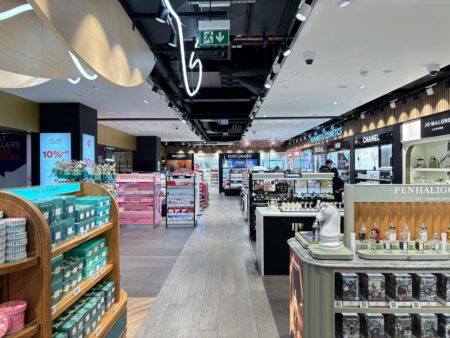





Major grocery store chains are transforming their retail spaces into healthcare destinations, with in-store medical clinics becoming the fastest-growing segment of their business expansion. What started as a convenient service for basic health needs has evolved into a comprehensive healthcare strategy that’s reshaping how Americans access medical care.
CVS Health pioneered this model with MinuteClinic in 2000, but the concept has exploded across traditional grocery retailers. Walmart leads with over 20 Health Centers offering primary care, dental, and mental health services alongside their pharmacies. Kroger operates more than 220 Little Clinic locations, while Hy-Vee has expanded their HealthMarket concept to include dietitians, hearing aid services, and wellness coaching.
The timing reflects a perfect storm of healthcare accessibility challenges. Rural hospital closures continue accelerating, similar to retail consolidation affecting smaller communities, leaving residents with limited medical options. Rising healthcare costs and insurance deductibles make urgent care visits financially prohibitive for many families. Meanwhile, physician shortages have created appointment backlogs stretching weeks or months for routine care.
Revenue Drivers Beyond Traditional Retail
Grocery chains view healthcare services as a crucial revenue diversification strategy. Traditional grocery margins remain razor-thin, typically 1-3% on food sales. Healthcare services command significantly higher margins while driving customer loyalty and increasing visit frequency.
Kroger’s Little Clinic locations generate an estimated $150-200 per patient visit, compared to average grocery baskets of $35-50. More importantly, patients often shop for groceries during their medical visits, creating a multiplier effect. Internal data shows healthcare services customers visit stores 40% more frequently than average shoppers.
The model works particularly well for chronic disease management. Diabetes patients can consult with pharmacists about medication management, then immediately purchase recommended foods and supplements. This integrated approach appeals to health-conscious consumers while creating multiple revenue streams from a single customer relationship.
Walmart’s Health Centers take the concept further by offering primary care, dental cleanings, X-rays, and lab work at transparent, posted prices. Their approach targets the 87 million Americans who are uninsured or underinsured, providing predictable healthcare costs without insurance complexity.
Technology Integration and Staffing Models
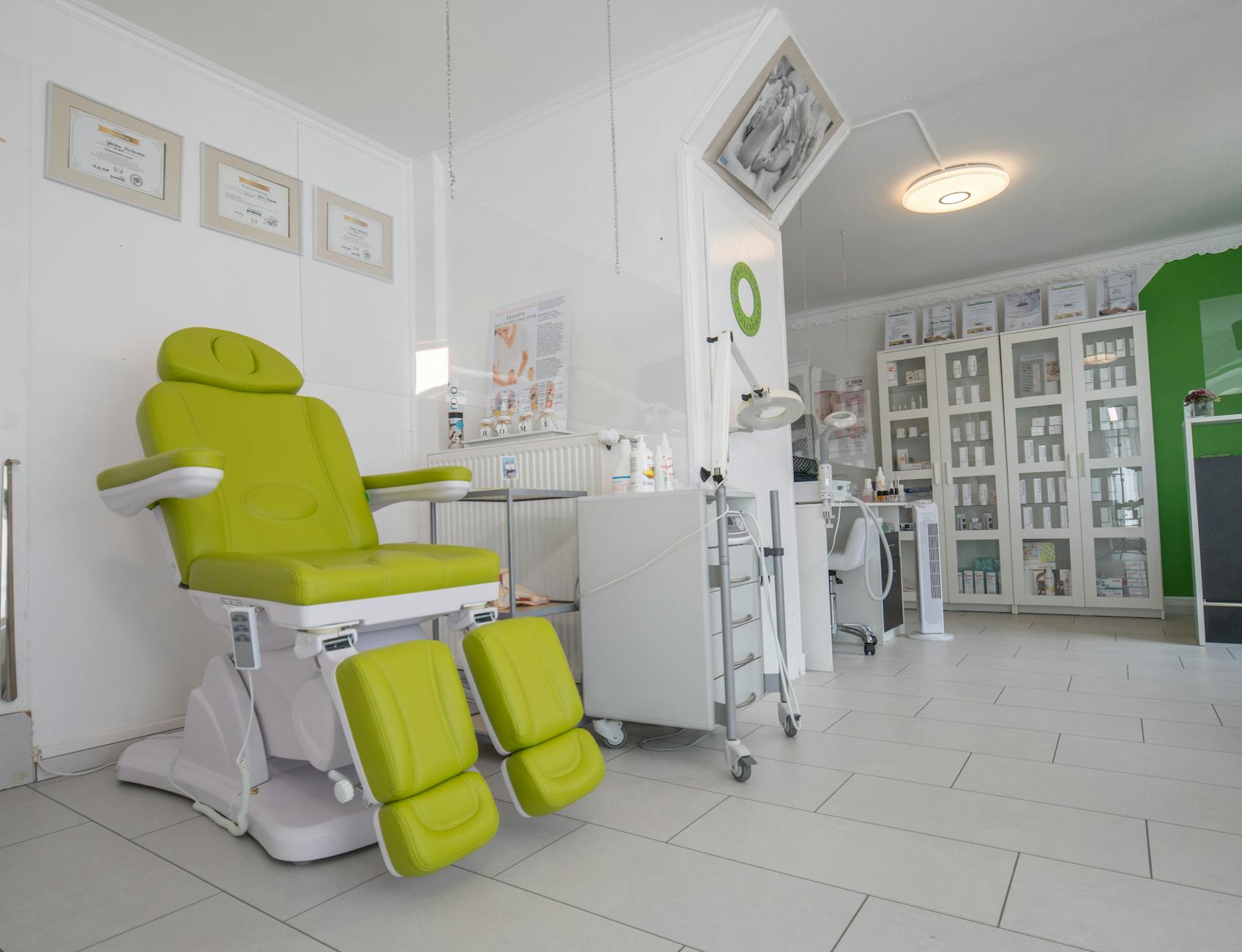
Modern grocery store clinics rely heavily on technology to manage patient flow and reduce staffing costs. Automated check-in systems, electronic health records, and telemedicine capabilities allow nurse practitioners and physician assistants to handle higher patient volumes efficiently.
CVS has integrated their MinuteClinic services with their app, allowing customers to check wait times, schedule appointments, and access medical records. This technology integration extends to their pharmacy operations, creating seamless prescription management and medication adherence programs.
Staffing represents the biggest operational challenge. Nurse practitioners typically anchor these clinics, supported by medical assistants and pharmacy staff. The shortage of qualified healthcare workers has forced retailers to offer competitive salaries and benefits packages, sometimes exceeding traditional hospital employment.

Training programs have become essential. Walmart partnered with nursing schools to create specialized curricula for retail healthcare settings. These programs focus on treating common conditions like strep throat, ear infections, and minor injuries while emphasizing customer service skills that align with retail environments.
Quality control measures include partnerships with major health systems. Kroger collaborates with regional hospitals to ensure care standards and provide referral pathways for complex cases. This approach helps overcome consumer skepticism about receiving medical care in retail settings.
Market Expansion and Competition Dynamics
The competitive landscape continues evolving as more players enter the market. Amazon’s acquisition of One Medical signals tech giants’ interest in retail healthcare. Target has piloted clinic services in select markets, while regional chains like Meijer and H-E-B expand their healthcare footprints.
Geographic expansion focuses on underserved markets where traditional healthcare access remains limited. Rural and suburban locations receive priority, particularly in states with limited Medicaid expansion where uninsured populations seek affordable care options.
Specialty services are becoming key differentiators. Some locations now offer mental health counseling, nutritionist consultations, and preventive screenings. Weight management programs combining medical supervision with grocery store nutrition products represent a growing niche.
Partnership strategies vary by chain. Some operators contract with external healthcare companies to manage clinical operations, while others build internal capabilities. The choice often depends on existing pharmacy operations and local healthcare market dynamics.
Insurance relationships remain complex. While many clinics accept major insurance plans, the cash-pay model often provides better profit margins. Transparent pricing appeals to high-deductible plan members who effectively pay out-of-pocket for routine care anyway.

Future Healthcare Retail Evolution
The convergence of retail and healthcare appears irreversible, driven by consumer demand for convenience and transparency. Grocery chains are positioning themselves as essential healthcare infrastructure, particularly in communities where traditional providers struggle with economic viability.
Investment in these services continues accelerating. Walmart committed $2.5 billion to healthcare expansion over five years, while CVS plans to add thousands of primary care locations through their Oak Street Health acquisition. These investments signal long-term commitment to the healthcare retail model.
Regulatory environments are adapting to support retail healthcare expansion. Several states have relaxed scope-of-practice restrictions for nurse practitioners, enabling more comprehensive services in retail settings. Telehealth integration has permanent regulatory approval in most markets, supporting hybrid care models.
The success of grocery store medical clinics reflects broader changes in healthcare delivery and consumer expectations. As traditional healthcare systems struggle with capacity and cost pressures, retail alternatives offer scalable solutions that meet customers where they already shop. This transformation represents one of the most significant shifts in healthcare accessibility since the development of urgent care centers, with implications that will reshape medical care delivery for decades to come.
Frequently Asked Questions
What services do grocery store medical clinics typically offer?
Most offer basic care like vaccinations, minor illness treatment, health screenings, and chronic disease management alongside pharmacy services.
Are grocery store clinics covered by health insurance?
Many accept major insurance plans, though cash-pay options with transparent pricing are often available for uninsured patients.