





Copper prices have surged 45% over the past two years, creating a supply crunch that’s forcing portfolio managers to completely rethink their mining sector allocations. The red metal’s scarcity isn’t just another commodity cycle – it’s a structural shift driven by the global push toward renewable energy and electric vehicles, where copper demand is outpacing new mine development by unprecedented margins.
The International Energy Agency projects copper demand will double by 2040, yet new major copper deposits take 15-20 years to develop. This timeline mismatch has created what analysts call a “copper cliff” – a scenario where demand growth dramatically outstrips supply additions. For investors, this represents both opportunity and risk as mining stocks experience their most significant reshuffling in decades.

The Great Supply Squeeze Transforms Market Dynamics
Chile and Peru, which together control nearly 40% of global copper production, are grappling with aging mines, water shortages, and increasingly stringent environmental regulations. Chile’s Escondida mine, the world’s largest copper producer, has seen declining grades for five consecutive years, while Peru faces ongoing political instability that threatens new project approvals.
Mining giants like Freeport-McMoRan and Southern Copper are trading at valuations not seen since the 2008 commodity supercycle, but with fundamentally different underlying dynamics. Unlike previous cycles driven by speculative demand, current copper shortages reflect genuine industrial need from the energy transition.
The supply constraints extend beyond traditional mining companies. Junior exploration firms with promising copper assets are attracting institutional attention previously reserved for established producers. Companies like Ivanhoe Mines, with major copper development projects in the Democratic Republic of Congo, have seen their market capitalizations multiply as investors bet on future production rather than current output.
Portfolio managers are also eyeing copper-focused ETFs as a way to capture sector upside without single-company risk. The Global X Copper Miners ETF has become a popular vehicle, though its concentration in a handful of major producers means investors aren’t escaping the fundamental supply constraints affecting the entire sector.
Electric Vehicle Revolution Reshapes Demand Patterns
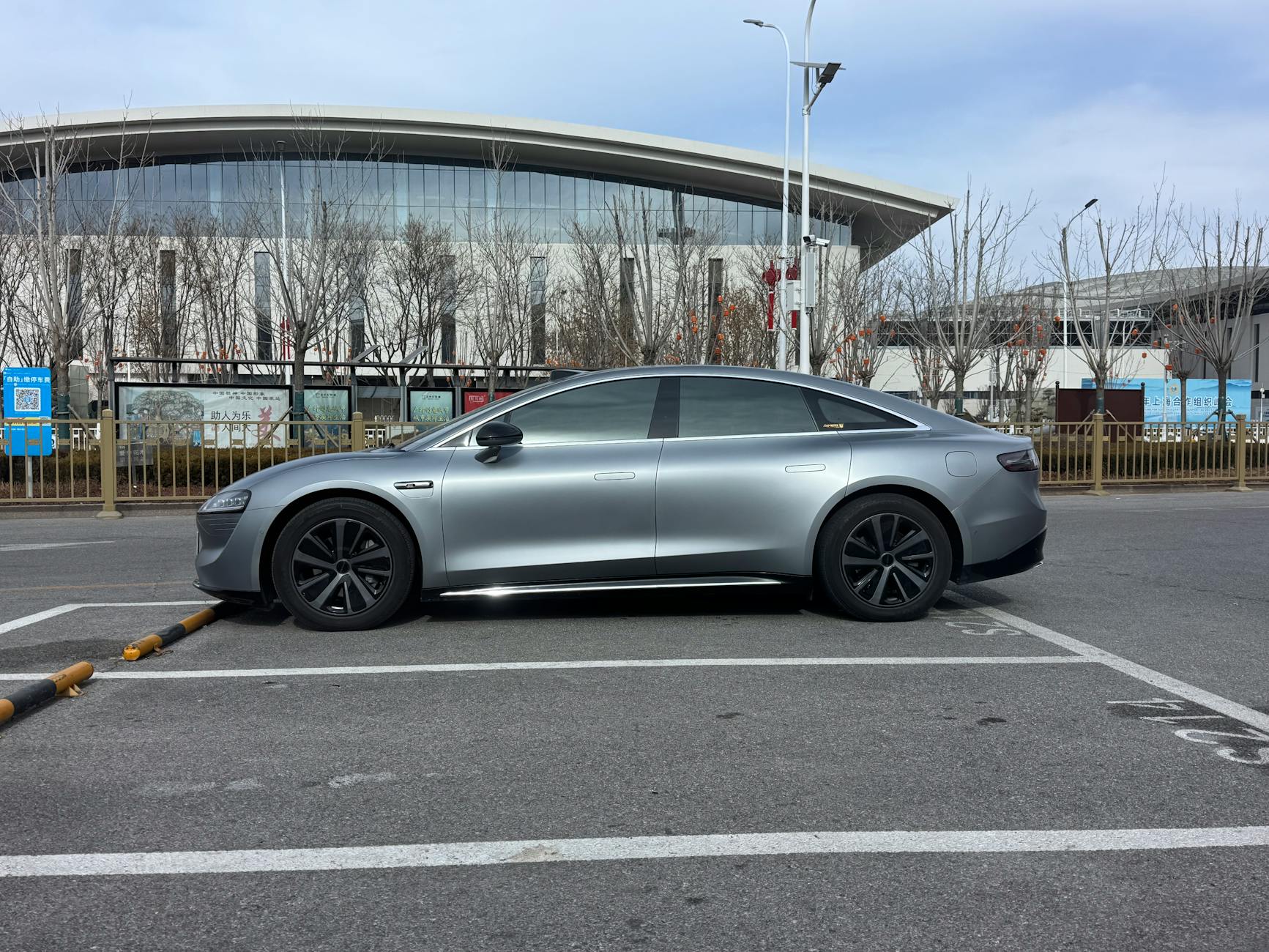
Electric vehicles require four times more copper than traditional internal combustion engines, and Tesla’s success has triggered a stampede of automaker electrification commitments. Ford’s plan to produce 2 million EVs annually by 2026, General Motors’ pledge to go all-electric by 2035, and similar commitments from European and Asian manufacturers collectively represent unprecedented copper consumption.
Wind and solar installations compound this demand surge. A single offshore wind turbine contains up to 8 tons of copper, while utility-scale solar farms require extensive copper wiring for power transmission. The Biden administration’s Inflation Reduction Act and similar green energy initiatives globally have accelerated these installations beyond most forecasts.
China’s dominance in EV battery production and renewable energy manufacturing means much of the new copper demand is geographically concentrated, creating additional supply chain vulnerabilities. When China’s COVID-19 lockdowns disrupted copper processing in early 2022, global prices spiked 15% in just two weeks, demonstrating how concentrated demand amplifies supply disruptions.
Investment firms are responding by diversifying geographically across copper-exposed assets. Australian miners like BHP and Rio Tinto offer political stability and established operations, while Canadian juniors provide exposure to North American deposits with potentially faster permitting timelines. This geographical diversification strategy mirrors approaches used in other sectors facing supply chain concentration risks, similar to how rising insurance costs are reshaping portfolio allocation strategies across multiple asset classes.
Technology Metals Create New Investment Categories
Copper’s supply constraints have elevated it from industrial commodity to technology metal, joining lithium, cobalt, and rare earth elements as critical materials for the digital economy. This reclassification has attracted tech-focused investment funds traditionally focused on software and semiconductor companies.
Mining technology investments are also surging as companies seek efficiency gains to offset supply constraints. Autonomous mining equipment, AI-powered geological surveys, and advanced processing techniques promise to extract more copper from existing deposits and reduce development timelines for new projects.
The convergence of technology and mining has created hybrid investment opportunities that don’t fit traditional sector classifications. Companies developing copper recycling technologies, for instance, offer exposure to copper price appreciation while addressing supply constraints through circular economy approaches.
ESG considerations add another layer of complexity to copper mining investments. While copper is essential for renewable energy infrastructure, many copper mines face scrutiny over water usage, community displacement, and environmental impact. Investors increasingly favor companies with strong environmental practices, even if their near-term production costs are higher.
Geopolitical Risks Reshape Global Supply Chains

Russia’s invasion of Ukraine highlighted how quickly geopolitical events can disrupt commodity flows, and copper faces similar vulnerabilities. Peru’s political instability, Chile’s constitutional uncertainty, and tensions between China and major copper-producing countries create ongoing supply risks that weren’t prominent concerns during previous commodity cycles.
The United States and European Union are actively seeking to diversify copper supply chains away from potentially unstable regions, creating opportunities for North American and allied-nation miners. Canada’s critical minerals strategy and Australia’s resources sector both benefit from this “friend-shoring” trend, where strategic materials sourcing prioritizes political stability alongside economic factors.
These geopolitical considerations are influencing investment flows in ways that pure supply-demand fundamentals cannot explain. Companies with assets in politically stable jurisdictions trade at premiums that reflect their strategic value to consuming nations seeking supply security.
Mining companies are also forming unprecedented partnerships with end-users to secure long-term supply agreements. Ford’s direct investments in copper mining projects and Tesla’s lithium supply deals represent a new model where technology companies bypass traditional commodity markets to secure critical materials. These vertical integration trends create new investment categories that blend technology and resources sector characteristics.
The copper supply shortage represents more than a cyclical commodity opportunity – it’s a structural transformation that’s creating entirely new categories of mining investments. As the energy transition accelerates and global supply chains prioritize security alongside efficiency, copper-focused portfolios are evolving from traditional commodity plays into strategic technology investments. Investors who recognize this shift early may find themselves positioned for the most significant mining sector realignment in generations.
Frequently Asked Questions
Why is copper supply shortage affecting mining stocks?
Copper demand from electric vehicles and renewable energy is growing faster than new mine development, creating a supply crunch that’s driving up mining stock valuations.
Which copper mining stocks are benefiting most?
Major producers like Freeport-McMoRan and Southern Copper, plus junior exploration companies with promising copper assets in politically stable regions.