



Downtown lunch spots that barely survived the pandemic are now experiencing their strongest revenue growth in four years. The reason? Corporate America’s aggressive push to bring employees back to physical offices is creating an unexpected economic ripple effect that’s transforming urban dining landscapes.
Restaurant owners across major metropolitan areas report weekday foot traffic has surged between 25 and 40 percent since January, driven primarily by return-to-office mandates from Fortune 500 companies. This shift represents more than just a recovery – it’s reshaping how downtown business districts operate and spend money.
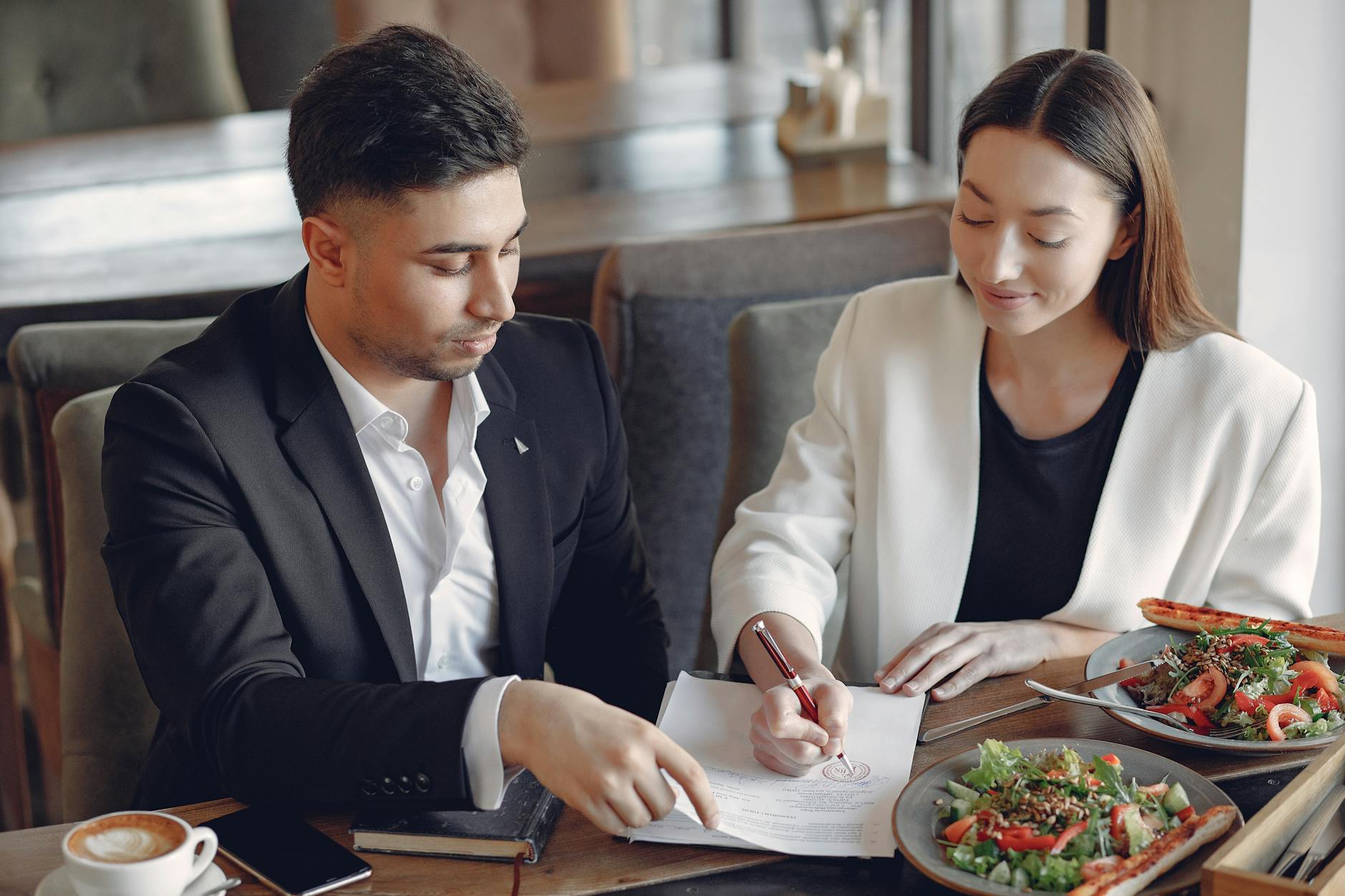
The Mandate Effect Creates New Revenue Streams
Major corporations including JPMorgan Chase, Goldman Sachs, and Tesla have implemented strict return-to-office policies requiring employees to work on-site at least three days per week. These mandates directly translate to increased restaurant sales, particularly during lunch hours and after-work dining periods.
Maria Santos, who owns three sandwich shops in Chicago’s Loop district, saw her combined monthly revenue jump from $85,000 in December to $118,000 in March. “We went from serving maybe 200 customers a day to nearly 350,” Santos explains. “The difference is dramatic – we’re hiring again for the first time since 2019.”
Similar patterns emerge across other metropolitan markets. In Manhattan’s Financial District, lunch establishments report average check increases of 15 to 25 percent as office workers order more frequently and opt for premium menu items. The sustained demand has allowed many restaurants to raise prices without losing customers, improving profit margins that were razor-thin during remote work periods.
Restaurant industry analysts note this trend extends beyond traditional lunch spots. Coffee shops, bakeries, and evening dining establishments near office complexes are all benefiting from increased foot traffic. Happy hour specials, once considered obsolete during remote work periods, are experiencing renewed popularity as teams gather after work.
Supply Chain and Staffing Adjustments
The sudden surge in downtown dining demand has created operational challenges for restaurant owners who downsized during the pandemic. Many establishments are scrambling to hire additional staff and increase food orders to meet demand.
Chain restaurants with downtown locations are expanding their lunch menus and extending operating hours. Panera Bread, Chipotle, and Sweetgreen have all increased staffing levels at urban locations while maintaining reduced hours at suburban spots that served remote workers during the pandemic.
Local restaurants face more complex adjustments. They must balance increased ingredient costs with higher labor expenses while competing against well-funded chains for both customers and employees. Many are partnering with food delivery platforms to capture office workers who prefer eating at their desks, creating hybrid revenue models that didn’t exist pre-pandemic.
The staffing challenges mirror broader trends across service industries. Similar to how major hotel chains are reducing housekeeping services to combat labor costs, restaurants are implementing technology solutions like mobile ordering and automated payment systems to manage increased customer volume with smaller teams.
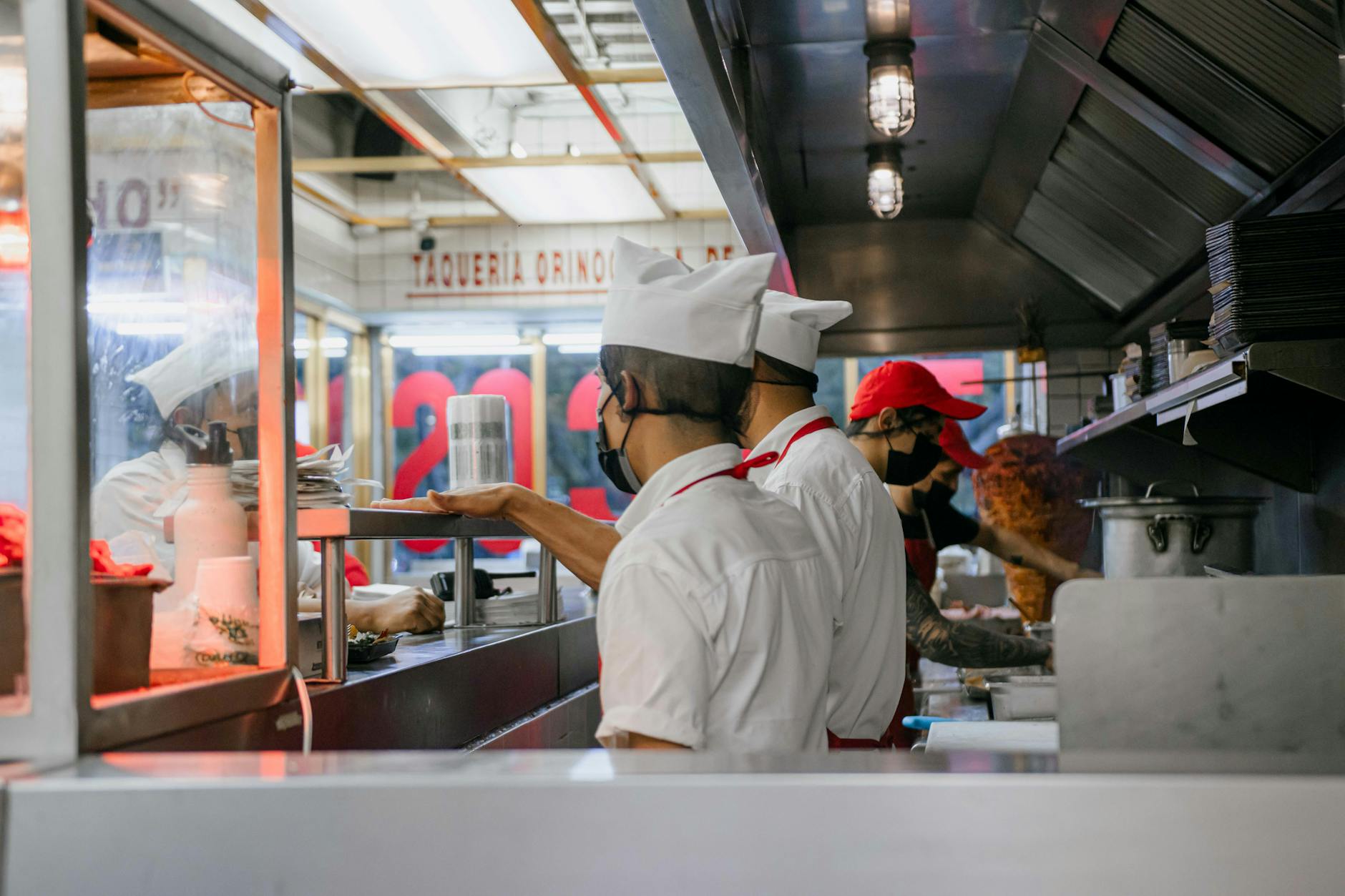
Geographic Disparities and Market Winners
Not all downtown restaurant markets are experiencing equal benefits from return-to-office mandates. Cities with strong financial services sectors, including New York, San Francisco, and Boston, show the most pronounced increases in restaurant revenues. Technology hubs like Seattle and Austin see more variable patterns as tech companies maintain flexible work policies.
Secondary business districts within major metropolitan areas are capturing spillover demand. In Los Angeles, restaurants in Century City and downtown Long Beach report increased weekday traffic as companies seek lower-rent office spaces while maintaining return-to-office requirements.
Independent restaurants are competing directly with corporate chains for the returning workforce. Many are differentiating through locally-sourced ingredients, customizable options, and faster service. Food trucks and pop-up vendors are also capitalizing on the trend, positioning themselves near office building entrances during peak lunch hours.
The competitive landscape has intensified pricing pressures. Restaurants that raised prices during supply chain disruptions now face decisions about whether to maintain premium pricing or compete more aggressively for price-sensitive office workers. Many are implementing tiered pricing strategies with budget options alongside premium offerings.
Economic Implications Beyond Food Service
The restaurant revenue surge represents a broader economic shift affecting multiple downtown business sectors. Increased foot traffic benefits parking operators, retail stores, and service businesses that depend on office worker spending.
Commercial real estate owners are leveraging improved restaurant performance to attract tenants and justify rent increases. Mixed-use developments with ground-floor dining options are commanding premium leases as office tenants recognize the value of convenient food options for their employees.
Local tax revenues are also benefiting from increased restaurant sales. Cities like San Francisco and Chicago, which implemented higher commercial taxes during the pandemic, are seeing improved collections from food service businesses. This additional revenue helps offset budget shortfalls created by reduced commercial real estate values during remote work periods.
The trend extends to supplier businesses and food distributors who service downtown restaurants. Companies specializing in commercial food delivery are expanding routes and increasing inventory to meet restaurant demand. This creates employment opportunities in logistics and food processing sectors.
Looking ahead, the sustainability of this restaurant revenue boom depends largely on how corporations balance return-to-office mandates with employee satisfaction and retention. Early indicators suggest that hybrid work models – requiring three to four days of office presence – may become the dominant approach, providing steady but not complete recovery for downtown dining establishments.
Restaurant owners are preparing for potential fluctuations by diversifying revenue streams and maintaining flexible staffing models. The lessons learned during pandemic closures about cost management and operational efficiency are proving valuable as businesses navigate this new phase of growth while preparing for possible future disruptions to office-based work patterns.
Frequently Asked Questions
How much are restaurant sales increasing from return-to-office mandates?
Downtown restaurants report revenue increases of 25-40% since corporate return-to-office policies began in earnest this year.
Which cities see the biggest restaurant revenue gains from office returns?
Financial centers like New York, San Francisco, and Boston show the largest increases due to concentration of companies requiring office presence.