





Market volatility hit a five-year high last quarter, prompting private wealth managers to deploy increasingly sophisticated hedging strategies. Options trading among high-net-worth portfolios surged 40% in the past year as advisors scramble to protect client assets from unpredictable swings.
The shift represents a fundamental change in wealth management philosophy. Where conservative portfolios once relied primarily on asset allocation and diversification, today’s managers are embracing derivatives as essential risk management tools. The approach reflects growing recognition that traditional hedging methods may no longer suffice in an era of flash crashes, geopolitical tensions, and monetary policy uncertainty.
“We’re seeing clients ask harder questions about downside protection,” says Maria Rodriguez, senior portfolio manager at Blackstone Private Wealth Solutions. “They remember 2008, they lived through March 2020, and they want assurance their wealth won’t evaporate overnight.”
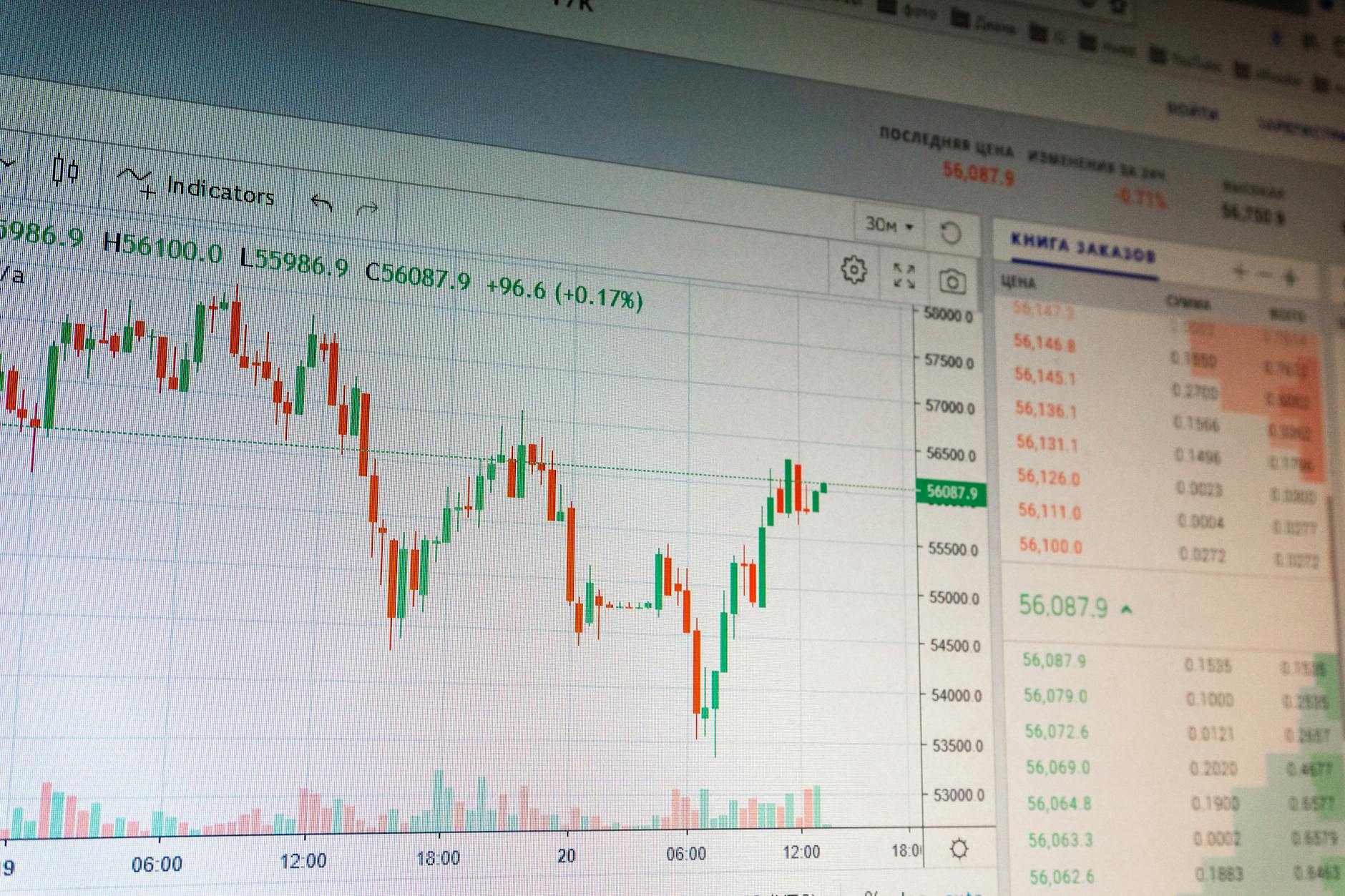
The New Options Playbook
Private wealth managers are employing three primary options strategies to hedge portfolio risk: protective puts, covered calls, and collar spreads. Each serves a distinct purpose in the risk management arsenal.
Protective puts function as portfolio insurance, giving investors the right to sell holdings at predetermined prices. Wealth managers typically purchase puts on major index ETFs or individual large-cap positions when volatility indicators spike above historical norms. The strategy gained popularity after the 2018 fourth-quarter selloff, when unhedged portfolios suffered double-digit losses.
Goldman Sachs Private Wealth Management reports implementing protective put strategies across 60% of client portfolios exceeding ten million dollars in assets. The firm focuses on SPY and QQQ puts with strike prices roughly 10% below current market levels, adjusting positions monthly based on volatility readings.
Covered calls offer a different approach, generating income while providing modest downside protection. Managers sell call options against existing equity positions, collecting premiums that cushion potential losses. The strategy proves particularly effective in sideways markets, where underlying assets remain range-bound for extended periods.
Morgan Stanley’s private client division has increased covered call writing by 25% across client portfolios in the past 18 months. The firm typically sells calls with strike prices 5-8% above current levels, targeting 30-45 day expirations to balance premium collection with upside participation.
Collar spreads combine both strategies, simultaneously buying protective puts and selling covered calls. The approach creates a defined trading range for underlying positions while minimizing net option costs. Advanced wealth management teams use collars to lock in gains after significant portfolio appreciation or protect against sector-specific risks.
Technology Driving Strategy Evolution
Sophisticated risk management platforms now enable real-time options analysis previously available only to institutional traders. Private wealth managers leverage these tools to model potential outcomes, stress-test strategies, and execute complex multi-leg transactions with precision.
Parametric Portfolio Associates developed proprietary software that automatically suggests options strategies based on client risk tolerance and market conditions. The system analyzes thousands of potential combinations, considering factors like implied volatility, time decay, and correlation patterns across asset classes.
“The technology removes much of the guesswork,” explains David Chen, head of derivatives strategy at UBS Global Wealth Management. “We can show clients exactly how different scenarios would impact their portfolios and demonstrate why specific hedging approaches make sense.”
Risk management platforms also facilitate dynamic hedging, where options positions adjust automatically as market conditions change. Delta hedging algorithms rebalance exposure throughout trading sessions, maintaining target risk levels without requiring constant manual intervention.

Advanced analytics help identify optimal entry and exit points for options strategies. Machine learning algorithms analyze historical patterns to predict when hedging becomes most cost-effective, potentially saving clients thousands in unnecessary premium payments.
Cost Considerations and Efficiency Measures
Options hedging carries significant costs that can erode long-term returns if implemented carelessly. Private wealth managers increasingly focus on efficiency measures to maximize protection while minimizing expense drag on portfolio performance.
Time decay represents the primary cost consideration, as options lose value as expiration approaches. Sophisticated managers structure rolling strategies that maintain protection while managing theta exposure. They typically close positions at 30-50% of maximum profit rather than holding until expiration.
Implied volatility timing has become crucial for cost management. Managers avoid purchasing expensive protection during high-volatility periods, instead implementing hedges when market complacency creates attractive option prices. Historical analysis suggests this approach can reduce hedging costs by 15-30% annually.
Some wealth management firms are exploring alternative structures to reduce option costs. Zero-cost collars eliminate net premium expenses by perfectly offsetting put purchases with call sales. While these strategies cap upside potential, they provide downside protection without impacting portfolio cash flows.
Diversification across options strategies also improves cost efficiency. Rather than relying solely on index puts, managers combine various approaches to create more robust protection profiles. Portfolio-level hedging often proves more cost-effective than protecting individual positions separately.
The trend toward commodity-focused investments has created additional hedging opportunities, as options markets for energy and metals ETFs provide targeted sector protection.
Measuring Success and Performance Impact
Private wealth managers face the challenge of demonstrating hedging value to clients who may question paying for protection that doesn’t always activate. Performance measurement frameworks now incorporate risk-adjusted metrics that account for volatility reduction and downside capture ratios.
Maximum drawdown analysis has become a standard reporting metric, showing how options strategies limit portfolio declines during market stress periods. Clients increasingly evaluate managers based on their ability to preserve capital rather than simply generate returns.
Sharpe ratio improvements often justify hedging costs over multi-year periods. While options premiums reduce absolute returns during calm markets, the volatility reduction typically improves risk-adjusted performance metrics. This mathematical reality helps justify ongoing protection expenses.
Conditional value-at-risk measurements quantify tail risk reduction achieved through options strategies. These statistics demonstrate how hedging limits exposure to extreme negative outcomes that could permanently impair client wealth accumulation goals.

Looking ahead, private wealth managers expect options usage to expand further as market complexity increases. Regulatory changes, currency volatility, and sector rotation create ongoing hedging needs that traditional asset allocation cannot address alone. The integration of artificial intelligence and machine learning will likely make options strategies more accessible and cost-effective for smaller client accounts.
As wealth managers adapt to changing market dynamics, options hedging represents a permanent evolution rather than a temporary trend. The tools and strategies developed during recent volatility periods will remain essential components of sophisticated risk management for high-net-worth investors seeking to preserve and grow wealth across market cycles.
Frequently Asked Questions
What are the main options strategies wealth managers use for hedging?
The three primary strategies are protective puts, covered calls, and collar spreads, each providing different types of downside protection.
How much do options hedging strategies typically cost?
Costs vary but managers focus on efficiency measures to minimize expense drag while maintaining protection, often through volatility timing and strategy diversification.