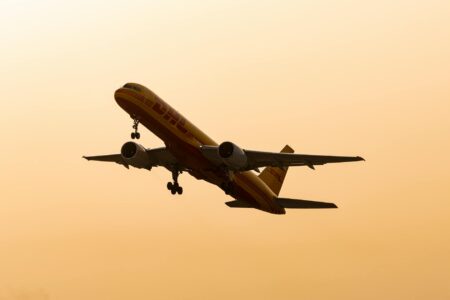





Airlines worldwide are hitting the brakes on aircraft orders as passenger demand shows signs of cooling after years of post-pandemic recovery. Major carriers including American Airlines, Lufthansa, and Emirates have reportedly delayed or canceled billions of dollars worth of new plane purchases, signaling a shift in industry confidence about future growth prospects.
The move comes as travel patterns stabilize at levels below pre-2020 projections, forcing airlines to reassess their expansion plans. Industry analysts point to rising fuel costs, economic uncertainty, and changing consumer travel habits as key factors influencing these strategic decisions.
Order Books Take a Hit
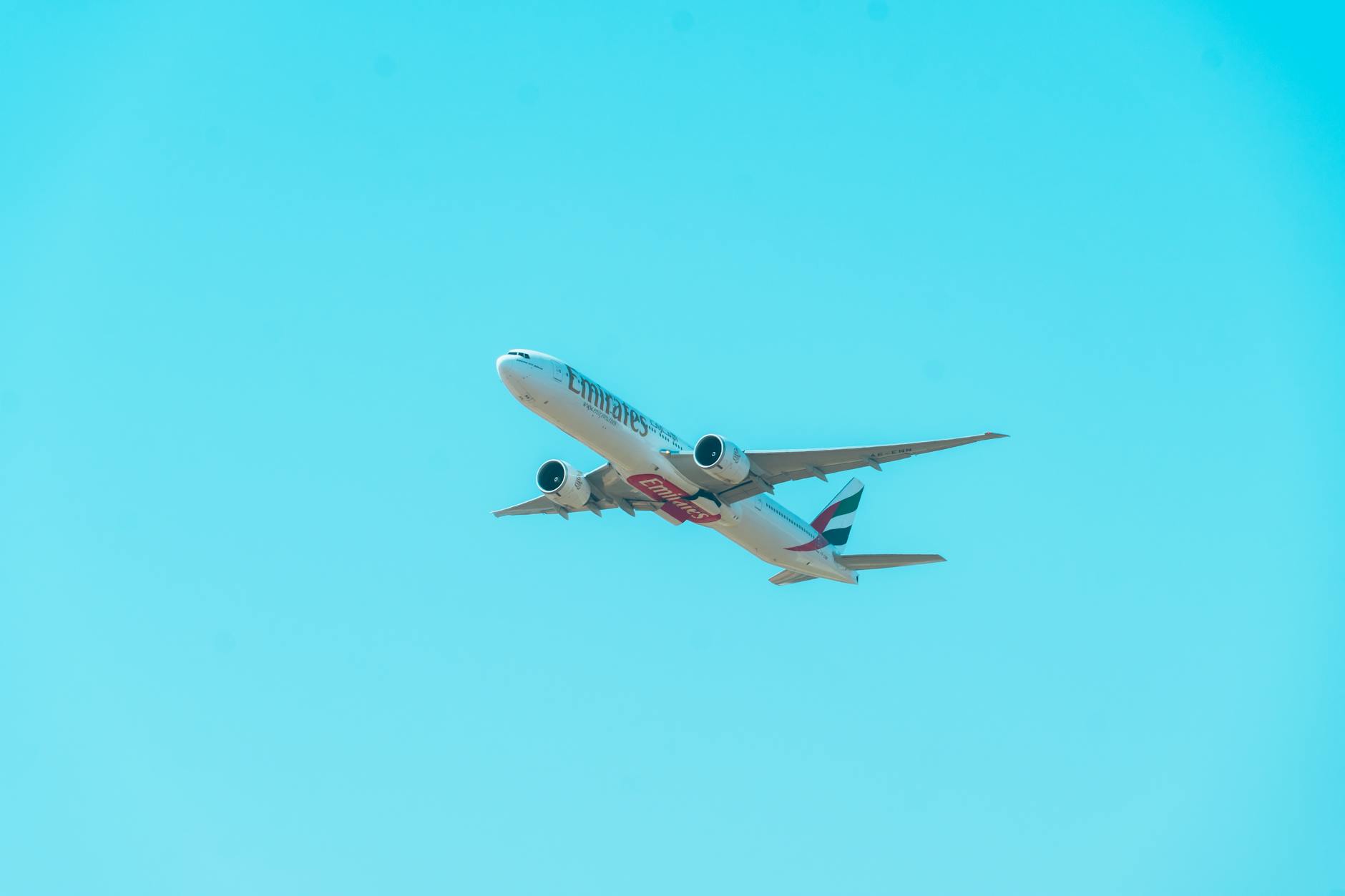
Boeing and Airbus are feeling the immediate impact of these cancellations, with their combined order backlogs shrinking for the first time since 2019. American Airlines postponed delivery of 40 Boeing 737 MAX aircraft originally scheduled for 2024 and 2025, citing “market conditions and operational efficiency priorities.” The carrier joins United Airlines and Southwest, which made similar moves earlier this year.
European carriers are following suit. Lufthansa Group announced delays for 20 Airbus A350 deliveries, while Air France-KLM pushed back orders for narrow-body aircraft worth an estimated $3 billion. These decisions reflect broader concerns about overcapacity in key markets, particularly transatlantic routes where business travel remains below historical levels.
The ripple effects extend beyond major carriers. Regional airlines and low-cost carriers, which drove much of the order growth during the recovery phase, are now taking a more cautious approach. JetBlue reduced its planned fleet expansion by 15%, while Spirit Airlines renegotiated delivery schedules to spread costs over a longer timeframe.
Demand Reality Check
Travel demand has plateaued at roughly 95% of pre-pandemic levels, according to industry data, but the composition has fundamentally changed. Business travel, which historically provided airlines with their highest margins, remains stubbornly below 2019 figures. Corporate travel budgets have tightened as companies embrace hybrid work models and virtual meetings become standard practice.
Leisure travel, while robust, has shifted toward shorter trips and off-peak periods. This pattern creates challenges for airlines that sized their fleets expecting a return to traditional business travel volumes. The result is excess capacity on routes that were previously profit centers, forcing carriers to reconsider growth strategies.
International markets present additional complications. Geopolitical tensions have disrupted traditional route networks, while currency fluctuations affect demand in key destinations. Asian markets, once considered growth engines, are recovering more slowly than anticipated due to lingering travel restrictions and economic headwinds in China.
The cargo market, which provided a lifeline during the pandemic’s early stages, has also normalized. Freight volumes have declined from peak levels as supply chains stabilized and e-commerce growth moderated. This shift reduces airlines’ ability to justify new aircraft purchases based on cargo capacity alone.
Financial Pressures Mount
Rising interest rates have made aircraft financing more expensive, adding another layer of complexity to fleet planning decisions. Airlines that leveraged heavily during the pandemic recovery now face higher borrowing costs just as revenue growth slows. This financial squeeze is forcing carriers to prioritize debt reduction over expansion.
Fuel costs remain volatile, with airlines struggling to predict operating expenses amid fluctuating oil prices and geopolitical instability. The industry’s efforts to hedge against fuel price spikes have had mixed results, creating additional pressure on profit margins and cash flow planning.
Labor costs are also rising as airlines compete for pilots, mechanics, and other skilled workers. The pilot shortage, particularly acute in North America, has led to significant wage increases and signing bonuses. These higher costs make it more difficult to justify new aircraft orders when existing fleets may not be fully utilized.
Airlines are responding by optimizing their current fleets rather than expanding. This includes retrofitting older aircraft with newer interiors, upgrading entertainment systems, and improving fuel efficiency through engine modifications. Similar to how coffee chains are investing in AI technology to manage rising labor costs, airlines are exploring technological solutions to improve operational efficiency without adding capacity.
Manufacturer Response
Boeing and Airbus face pressure to adjust production rates in response to weakening demand. Both manufacturers increased output significantly during the recovery period, betting on continued growth. Now they must balance maintaining production efficiency with the reality of fewer new orders.
Boeing, still recovering from the 737 MAX crisis and supply chain disruptions, may benefit from the breathing room provided by order delays. The company can focus on resolving production bottlenecks and quality issues without the pressure of meeting aggressive delivery schedules.
Airbus, which gained market share during Boeing’s troubles, now faces its own challenges. The European manufacturer’s production lines are running at capacity, but future slots are becoming less certain as airlines postpone commitments. This situation may force Airbus to slow its planned production increases and reassess workforce levels.
Both companies are pivoting toward aftermarket services and aircraft modifications as new sales slow. This shift mirrors broader industry trends where defense contractors are expanding manufacturing capacity to meet growing demand, highlighting how different aerospace sectors are experiencing contrasting fortunes.
The supply chain implications extend to thousands of suppliers worldwide. Engine manufacturers like General Electric and Rolls-Royce must adjust production schedules, while smaller component suppliers face uncertainty about future contracts. This adjustment period could lead to consolidation in the supply base as weaker players exit the market.
Industry experts predict a period of rationalization as airlines focus on profitability over growth. The next 18 months will likely determine whether current order cancellations represent a temporary adjustment or signal a longer-term shift in aviation demand patterns. Airlines that navigate this transition successfully will be better positioned when the next growth cycle begins, while those that expanded too aggressively may face years of overcapacity challenges.
Frequently Asked Questions
Why are airlines canceling aircraft orders now?
Airlines are responding to plateauing travel demand, rising costs, and economic uncertainty that make fleet expansion less attractive than previously projected.
Which airlines have canceled recent aircraft orders?
American Airlines, Lufthansa, JetBlue, and Spirit Airlines are among carriers that have delayed or canceled aircraft deliveries in recent months.