





Airlines worldwide are quietly transforming their business models, converting passenger jets into cargo haulers as online shopping continues reshaping global commerce. What started as pandemic-era adaptations have evolved into permanent strategic shifts, with carriers like Delta, American, and United dedicating entire fleets to package delivery rather than people transport.
The numbers tell a compelling story. Air cargo revenues jumped 35% in 2023 compared to pre-pandemic levels, driven primarily by e-commerce shipments that demand speed over cost efficiency. Amazon’s logistics network processes over 5 billion packages annually, while smaller retailers increasingly rely on expedited shipping to compete with retail giants. This surge in demand coincides with passenger travel returning to normal levels, creating a perfect storm of opportunity for airlines seeking revenue diversification.

Fleet Conversions Drive Operational Changes
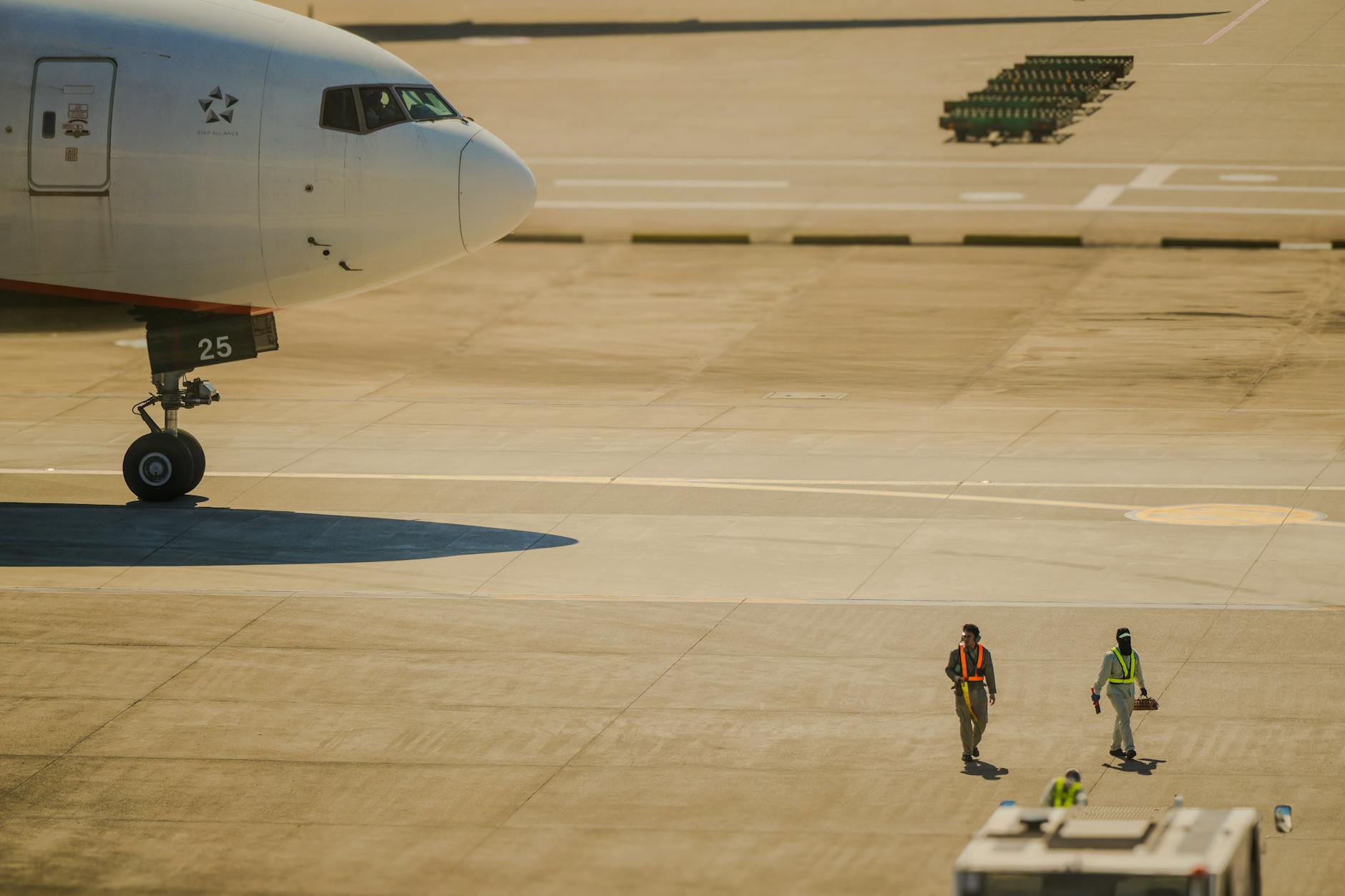
Major carriers are retrofitting wide-body aircraft originally designed for international passenger routes into dedicated cargo vessels. Delta has converted 12 Boeing 767-300 aircraft, removing seats and installing specialized cargo handling systems. American Airlines follows with similar modifications to their Airbus A330 fleet, while United targets older Boeing 777 models for conversion.
The transformation process involves more than removing seats. Engineers install reinforced flooring, cargo nets, and specialized loading equipment. Temperature-controlled compartments accommodate pharmaceuticals and perishables, while security systems meet stringent requirements for high-value electronics shipments.
FedEx and UPS dominated air cargo for decades, but passenger airlines bring advantages these specialists lack. Their existing route networks span continents, while established maintenance facilities and trained crews reduce operational startup costs. American Airlines leverages partnerships with logistics companies, offering door-to-door delivery services that compete directly with traditional shipping providers.
E-Commerce Growth Fuels Demand
Online retail sales exceeded $5.7 trillion globally in 2023, with projections reaching $8 trillion by 2027. This growth translates directly into shipping volume, particularly for time-sensitive deliveries that justify air transport costs. Electronics, fashion, and pharmaceutical products drive much of this demand, as consumers expect two-day or even same-day delivery options.
Cross-border e-commerce presents especially lucrative opportunities. Chinese manufacturers shipping directly to American consumers via platforms like Temu and Shein generate massive cargo volumes. European luxury brands targeting Asian markets similarly require rapid, reliable air transport. Airlines position themselves as critical links in these global supply chains.

The seasonal nature of e-commerce also benefits airlines. Holiday shopping periods generate cargo volumes that exceed passenger luggage capacity during peak travel seasons. Black Friday and Cyber Monday create shipping surges lasting weeks, while traditional passenger airlines experience relatively stable demand patterns throughout these periods.
Pharmaceutical shipments represent another growth segment. Temperature-sensitive medications and medical devices require specialized handling that airlines provide through dedicated cold-chain services. The COVID-19 vaccine distribution highlighted these capabilities, with airlines transporting billions of doses under strict temperature controls.
Infrastructure Investments Support Expansion
Airlines are investing heavily in cargo-specific infrastructure. Miami International Airport expanded its cargo facilities to accommodate increased volumes from Latin American e-commerce. Los Angeles International Airport partnered with airlines to build automated sorting systems that process packages 40% faster than manual operations.
Technology integration streamlines cargo operations significantly. RFID tracking systems monitor package locations throughout the shipping process, while predictive analytics optimize loading patterns and fuel efficiency. These innovations reduce handling errors and improve delivery timeframes, critical factors in e-commerce logistics.
Ground handling capabilities determine cargo operation success as much as aircraft availability. Airlines partner with specialized cargo handlers or develop in-house capabilities. Delta’s partnership with DHL provides ground services at major hubs, while United invests in proprietary cargo handling systems at key airports.
The regulatory environment also shapes these investments. International shipping requires customs clearance, security screening, and documentation that passenger airlines historically avoided. Building these capabilities requires significant upfront investment but creates competitive moats once established.
Some airlines face challenges adapting to cargo operations. Flight scheduling differs significantly between passenger and cargo services. Passenger flights operate on fixed schedules driven by customer convenience, while cargo flights prioritize efficiency and cost optimization. This shift requires operational expertise that some carriers struggle to develop quickly.
Competition and Market Dynamics
Traditional cargo carriers are responding aggressively to airline expansion into their territory. FedEx accelerated aircraft purchases and expanded international routes, while UPS invested in automation technology to maintain cost advantages. These established players leverage decades of logistics expertise and customer relationships that passenger airlines must work to match.
Regional carriers also enter the cargo market, targeting specific geographic areas or specialized shipments. Southwest Airlines launched cargo services connecting manufacturing centers with distribution hubs. JetBlue focuses on premium shipments between major metropolitan areas, positioning itself as a high-service alternative to traditional carriers.
The competitive landscape extends beyond airlines to include ground transportation and ocean shipping. While air cargo offers speed advantages, costs remain significantly higher than alternatives. Economic downturns or changes in consumer behavior could reduce demand for expedited shipping, impacting airline cargo revenues. Similar challenges face other industries adapting to changing consumer patterns, as seen in how major retailers abandon self-checkout systems when operational costs exceed benefits.
Future Outlook
The cargo expansion trend appears sustainable as e-commerce continues growing globally. Emerging markets in Southeast Asia and Africa present significant opportunities for airlines with international route networks. Rising middle-class populations in these regions drive demand for imported goods, while local manufacturers seek global market access.
Sustainability considerations may favor air cargo over ground transportation in specific scenarios. Electric aircraft development targets shorter routes where battery technology proves viable. While large cargo aircraft will likely remain fossil-fuel dependent for years, regional operations could transition to cleaner alternatives.
Airlines are positioning cargo operations as permanent revenue streams rather than temporary pandemic responses. The infrastructure investments, fleet modifications, and operational expertise developed during this expansion create lasting competitive advantages. As consumer expectations for rapid delivery become standard rather than premium services, airlines that successfully adapt their business models will capture growing shares of the global logistics market.
The transformation of passenger airlines into cargo operators represents one of aviation’s most significant structural shifts in decades, driven by fundamental changes in how consumers shop and expect goods delivered.
Frequently Asked Questions
Why are airlines converting passenger planes to cargo?
E-commerce growth drives demand for fast shipping that justifies air transport costs, while airlines seek revenue diversification beyond passenger travel.
Which airlines are expanding cargo operations?
Delta, American, and United lead conversions of wide-body aircraft, while Southwest and JetBlue target regional cargo markets.