




Starbucks, Dunkin’, and McDonald’s are quietly rolling out reusable cup programs and biodegradable alternatives as cities across North America implement stricter waste reduction mandates. The shift represents one of the most significant changes to coffee culture since the introduction of drive-through windows, affecting billions of transactions annually.
The movement gained momentum after Seattle became the first major U.S. city to ban single-use paper cups in commercial establishments starting January 2024. Vancouver, Portland, and San Francisco quickly followed with similar legislation, while the European Union announced plans to phase out non-recyclable food packaging by 2025.
Regulatory Pressure Drives Industry-Wide Changes
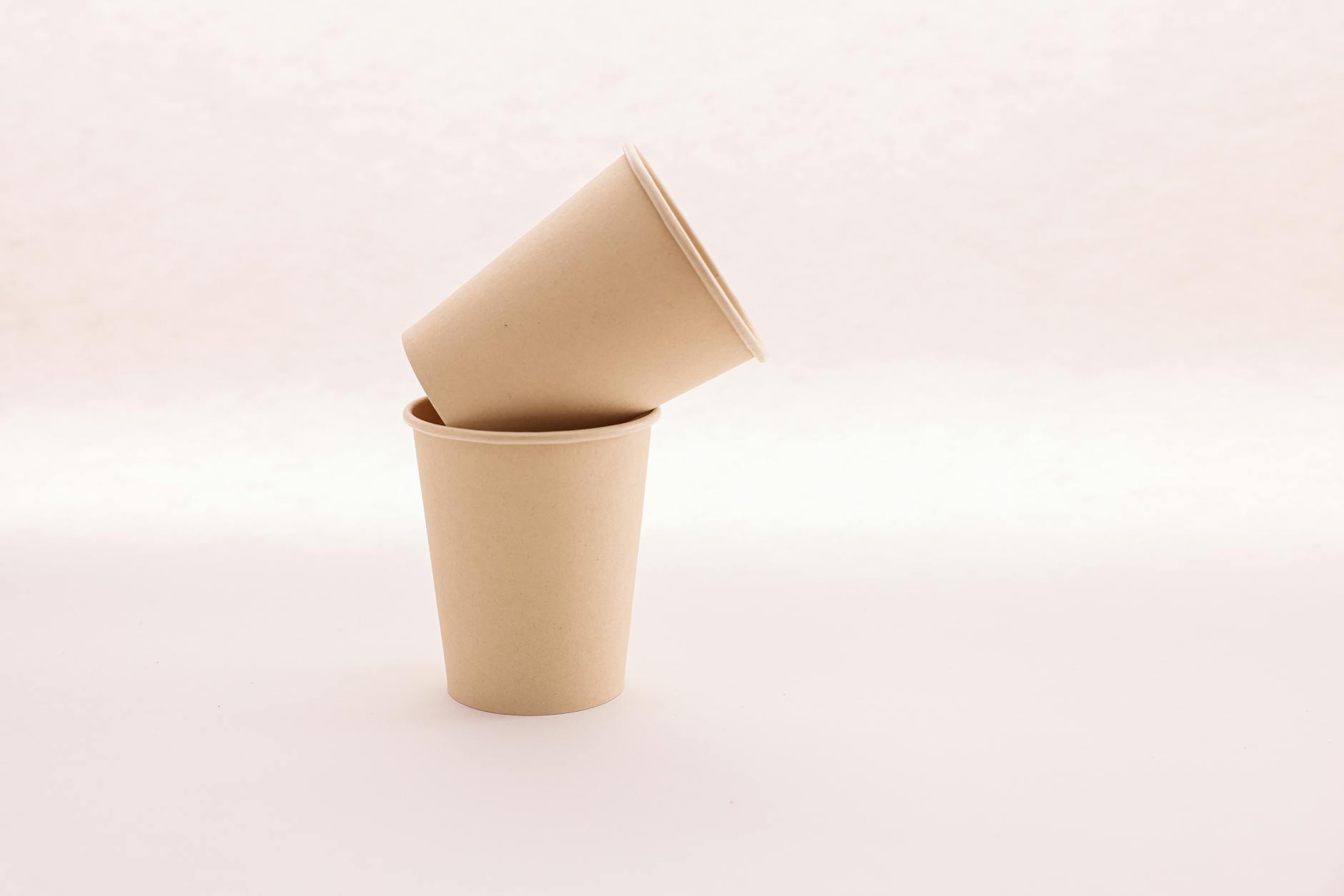
Municipal governments are taking aim at coffee cups specifically because of their environmental impact. Despite appearing recyclable, most paper cups contain a thin plastic lining that prevents proper recycling, sending an estimated 16 billion cups to landfills annually in the United States alone.
“Coffee cups represent low-hanging fruit for environmental policy,” explains Dr. Sarah Chen, an environmental policy researcher at UC Berkeley. “They’re highly visible, used frequently, and there are viable alternatives already available.”
The regulatory timeline is accelerating rapidly. New York City will implement its paper cup ban in September 2024, followed by Chicago in January 2025. California’s statewide legislation takes effect in 2026, covering all businesses serving more than 100 customers daily.
International pressure is equally intense. The UK introduced a “latte levy” – a 25-pence surcharge on disposable cups – while France completely banned single-use cups for dine-in service at establishments with more than 20 seats.
Major Chains Adapt Business Models
Starbucks has invested over $200 million in developing cup alternatives and customer incentive programs. The company’s “Bring Your Own Cup” discount increased from 10 cents to 50 cents, while new locations in regulated cities feature only ceramic mugs for dine-in service and compostable cups for takeaway.
McDonald’s partnered with packaging manufacturer Huhtamaki to develop cups made from agricultural waste that break down within 90 days in industrial composting facilities. The fast-food giant is testing the new cups in 500 locations across California and plans nationwide rollout by mid-2024.
Dunkin’ took a different approach, introducing a monthly subscription model where customers receive a branded reusable cup and pay a flat fee for unlimited refills. The program, initially launched in Boston and Philadelphia, reports 40% participation rates among regular customers.
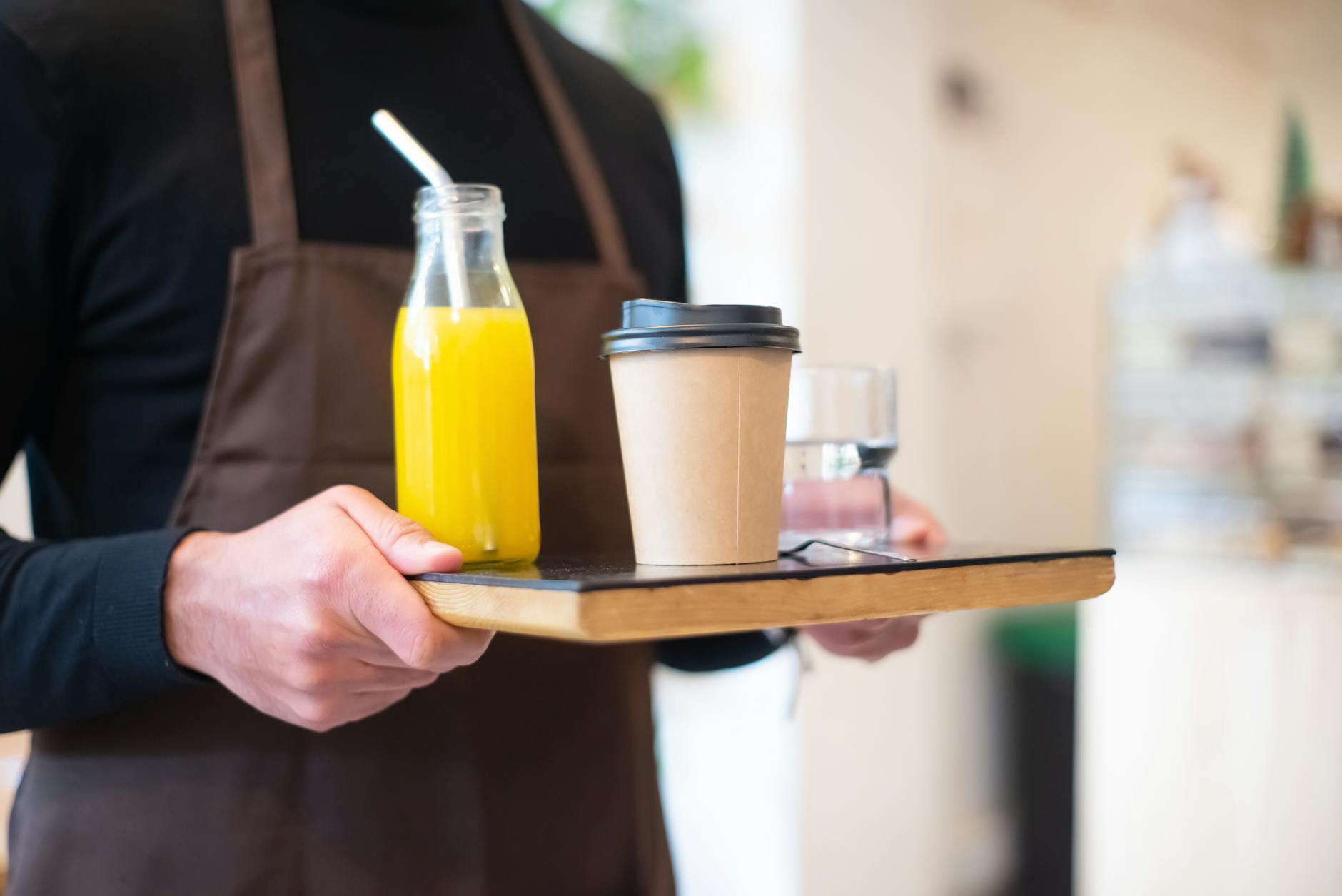
Tim Hortons faced particular challenges due to its Canadian base, where winter temperatures make ceramic cups less practical for outdoor consumption. The chain developed double-walled biodegradable cups and invested in heated storage systems to maintain drink temperatures.
Regional chains are finding opportunity in the transition. Blue Bottle Coffee positioned itself as an early adopter, offering only ceramic cups since 2019 and reporting increased customer loyalty. Peet’s Coffee introduced a mobile app that tracks environmental savings from reusable cup usage, appealing to environmentally conscious consumers.
Consumer Behavior Shifts Challenge Operations
Early data from Seattle’s implementation reveals significant changes in purchasing patterns. Coffee shops report 15-20% increases in dine-in orders as customers avoid bringing their own cups. Drive-through traffic decreased by approximately 8%, while mobile order-and-pickup services expanded to accommodate customers carrying reusable cups.
The transition creates operational complexity similar to challenges facing other industries adapting to environmental regulations. Much like major hotel chains partnering with coworking companies to meet changing business travel patterns, coffee retailers are redesigning service models to accommodate new consumer behaviors.
Barista training now includes sanitization procedures for customer-brought cups, adding 15-30 seconds per order. Some chains implemented UV sanitization stations, while others require customers to place reusable cups in designated areas rather than handing them directly to staff.
Customer resistance varies by demographic and location. Suburban locations report higher pushback compared to urban stores, where environmental consciousness tends to be stronger. Age appears to be a factor, with customers under 35 showing greater willingness to carry reusable cups.
Economic Impact Ripples Through Supply Chain
The paper cup industry faces an existential challenge as demand shifts toward alternatives. Major manufacturers like International Paper and Georgia-Pacific are retooling production lines for compostable materials and investing in reusable cup manufacturing capabilities.
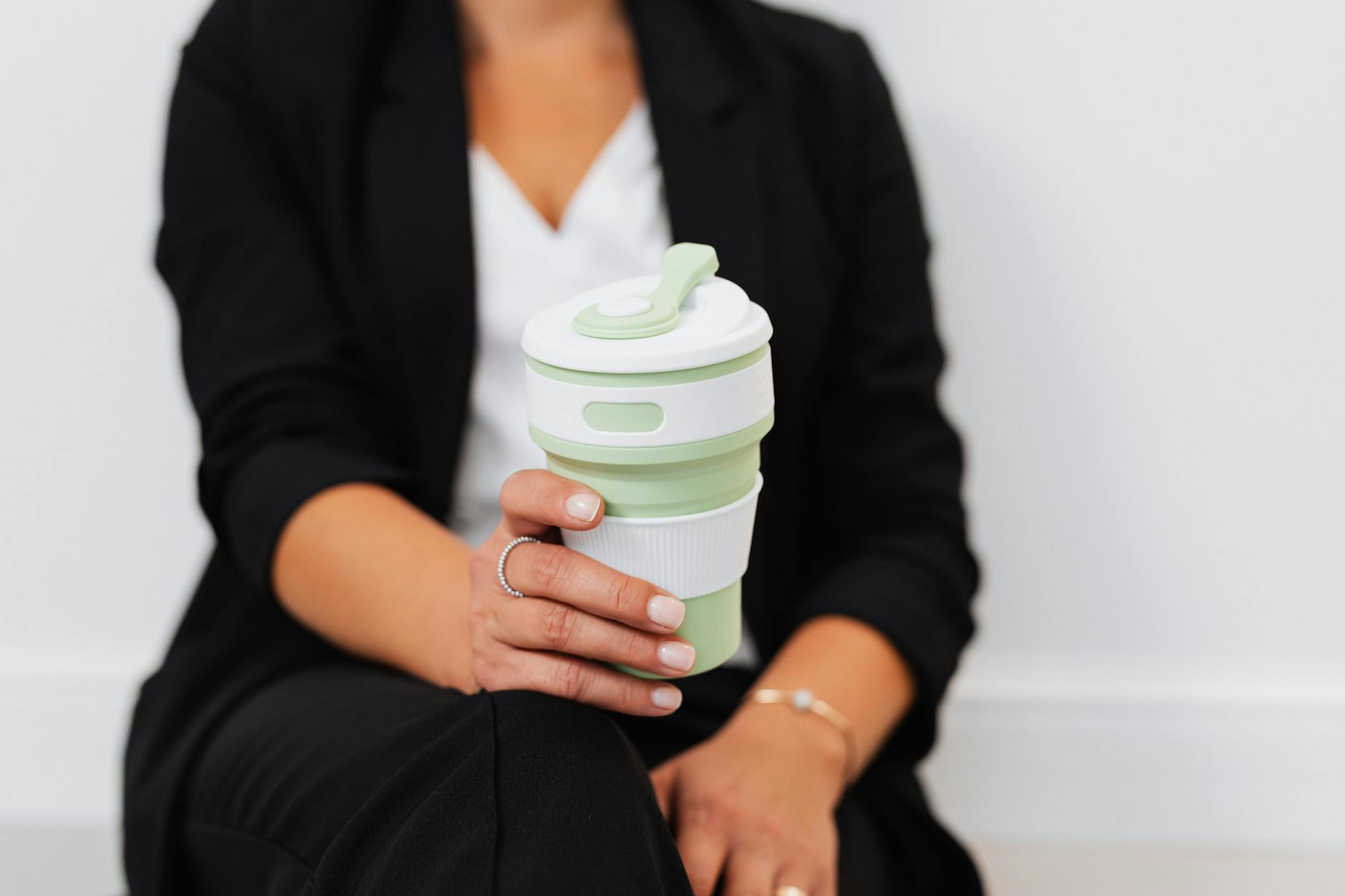
Initial cost increases are significant. Compostable cups cost approximately 40% more than traditional paper cups, while reusable cup programs require substantial upfront investments in inventory and customer incentives. However, chains report long-term savings as material costs decrease and customer loyalty increases.
The transition is creating new business opportunities. Startups specializing in cup-sharing programs, similar to bike-sharing models, are gaining investor interest. KeepCup and other reusable cup manufacturers report order increases of 300-400% since regulatory announcements began.
Waste management companies are adapting collection and processing systems to handle increased compostable waste volumes. Some municipalities are investing in industrial composting facilities specifically to process the new biodegradable packaging materials.
Future of Coffee Service Takes Shape
Industry analysts predict the paper cup phase-out will accelerate beyond current regulatory timelines as consumer expectations shift. Major chains are already planning for a future where disposable cups become the exception rather than the norm.
Technology integration will play a crucial role in the transition. QR code systems that track reusable cup usage, contactless sanitization methods, and mobile apps that facilitate cup-sharing programs are all under development.
The coffee industry’s adaptation to environmental regulations signals a broader shift in consumer goods toward sustainability-first business models. As regulations expand to other single-use items and more cities implement similar policies, the current transition may serve as a template for widespread changes across the food service industry.
Success in this new landscape will depend on chains’ ability to balance environmental responsibility with operational efficiency while maintaining the convenience that built the modern coffee culture.
Frequently Asked Questions
Why are cities banning paper coffee cups?
Paper cups contain plastic linings that prevent recycling, sending 16 billion cups annually to U.S. landfills.
When do the new coffee cup regulations take effect?
Seattle started in January 2024, NYC begins September 2024, with California statewide implementation in 2026.