





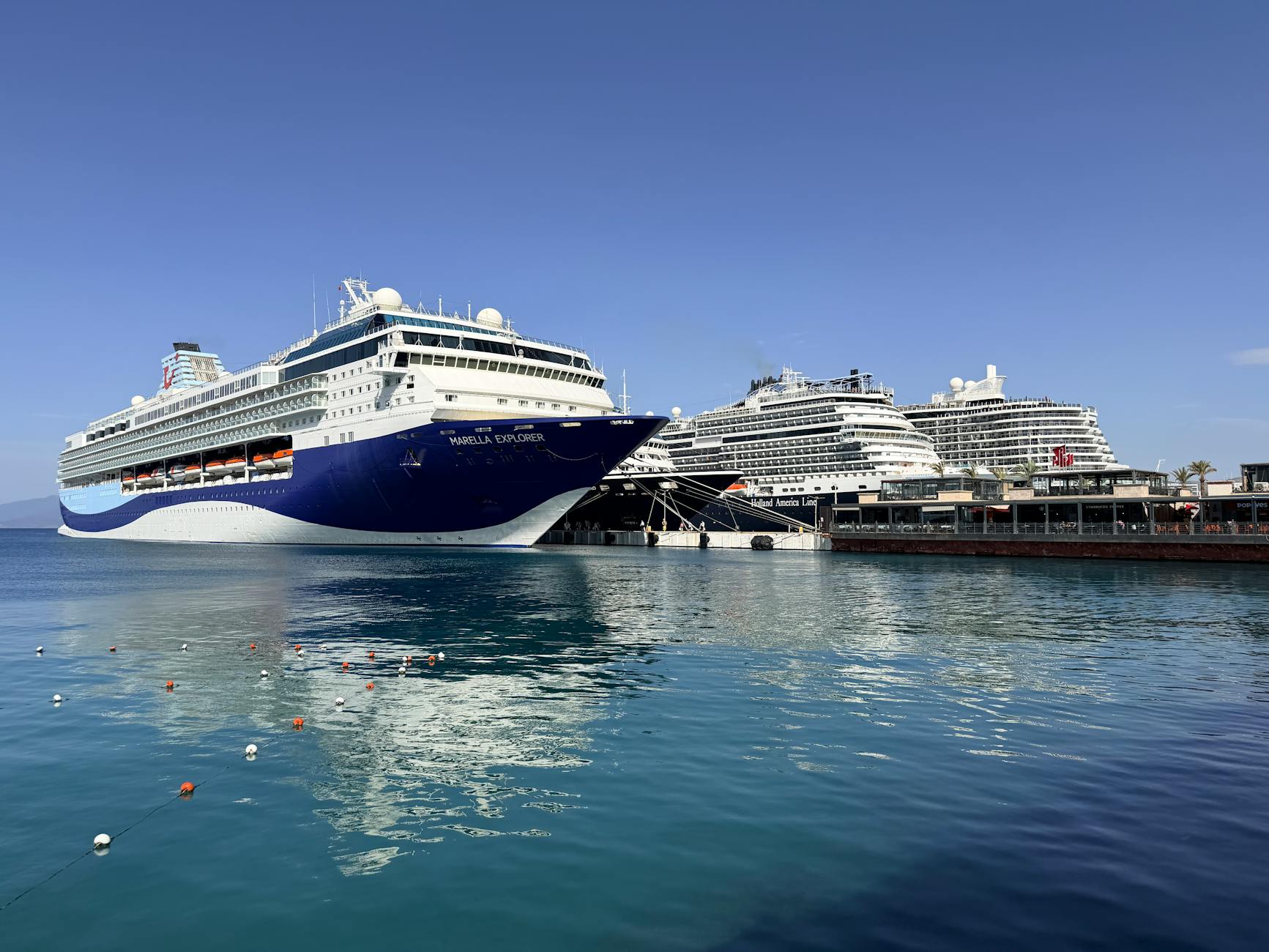
The Mediterranean is experiencing its most significant cruise expansion since before the pandemic, with major cruise lines announcing new routes, upgraded ships, and extended seasons for 2024 and 2025. Royal Caribbean, Norwegian Cruise Line, and MSC Cruises are leading the charge as European tourism rebounds stronger than expected.
European ports are reporting booking levels that exceed pre-2020 numbers, driven by pent-up demand and Americans seeking alternatives to traditional Caribbean itineraries. The Mediterranean’s combination of historical destinations, favorable exchange rates, and diverse cultural experiences has positioned it as the cruise industry’s fastest-growing region.
Fleet Expansions Target Mediterranean Demand
Royal Caribbean has repositioned three of its largest vessels to European waters for the 2024 season, including the Wonder of the Seas, currently the world’s largest cruise ship. The company reports Mediterranean bookings are running 15% ahead of the same period in 2019, with seven-day western Mediterranean itineraries showing particularly strong demand.
Norwegian Cruise Line announced plans to base four ships year-round in European ports, a significant shift from their traditional seasonal deployment strategy. The Norwegian Epic will operate from Barcelona through winter months for the first time, offering passengers access to Mediterranean destinations during traditionally quieter periods.
MSC Cruises, Europe’s largest cruise operator, has committed to expanding its Mediterranean presence with two new ships entering service in 2024. The MSC Euribia and MSC World Europa will focus on eastern Mediterranean routes, including Greek islands and Turkish coastal cities that have seen limited cruise traffic in recent years.
Celebrity Cruises parent company Royal Caribbean Group reports that Mediterranean cruise revenue per passenger is running 20% higher than Caribbean equivalents, driven by shore excursion packages and extended port stays that allow deeper cultural immersion.
Port Infrastructure Investments Drive Growth
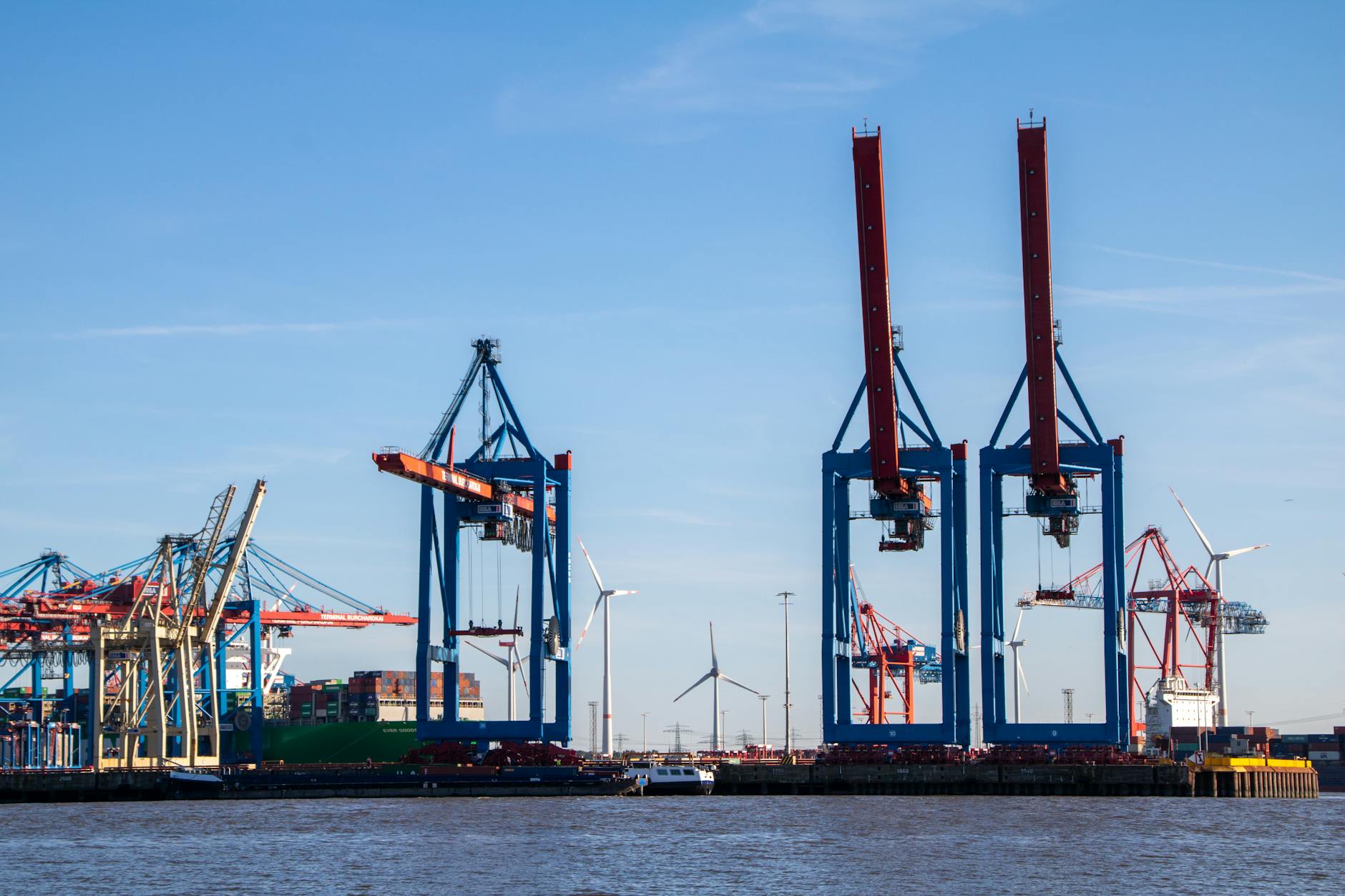
European ports are investing heavily in cruise infrastructure to accommodate larger ships and increased passenger volumes. Barcelona’s port authority has completed a 200 million euro expansion that includes new terminal facilities and improved transportation connections to the city center.
Rome’s Civitavecchia port has fast-tracked construction of additional passenger facilities after booking data showed cruise passenger numbers will exceed 2019 levels by 25% this year. The port serves as the primary gateway for Rome-based itineraries, handling over 2.3 million cruise passengers annually.
Venice has reopened its cruise terminal after implementing new environmental regulations and passenger volume limits. The city now restricts the largest cruise ships while accommodating smaller luxury vessels, creating opportunities for premium cruise lines to develop specialized Italian Riviera itineraries.
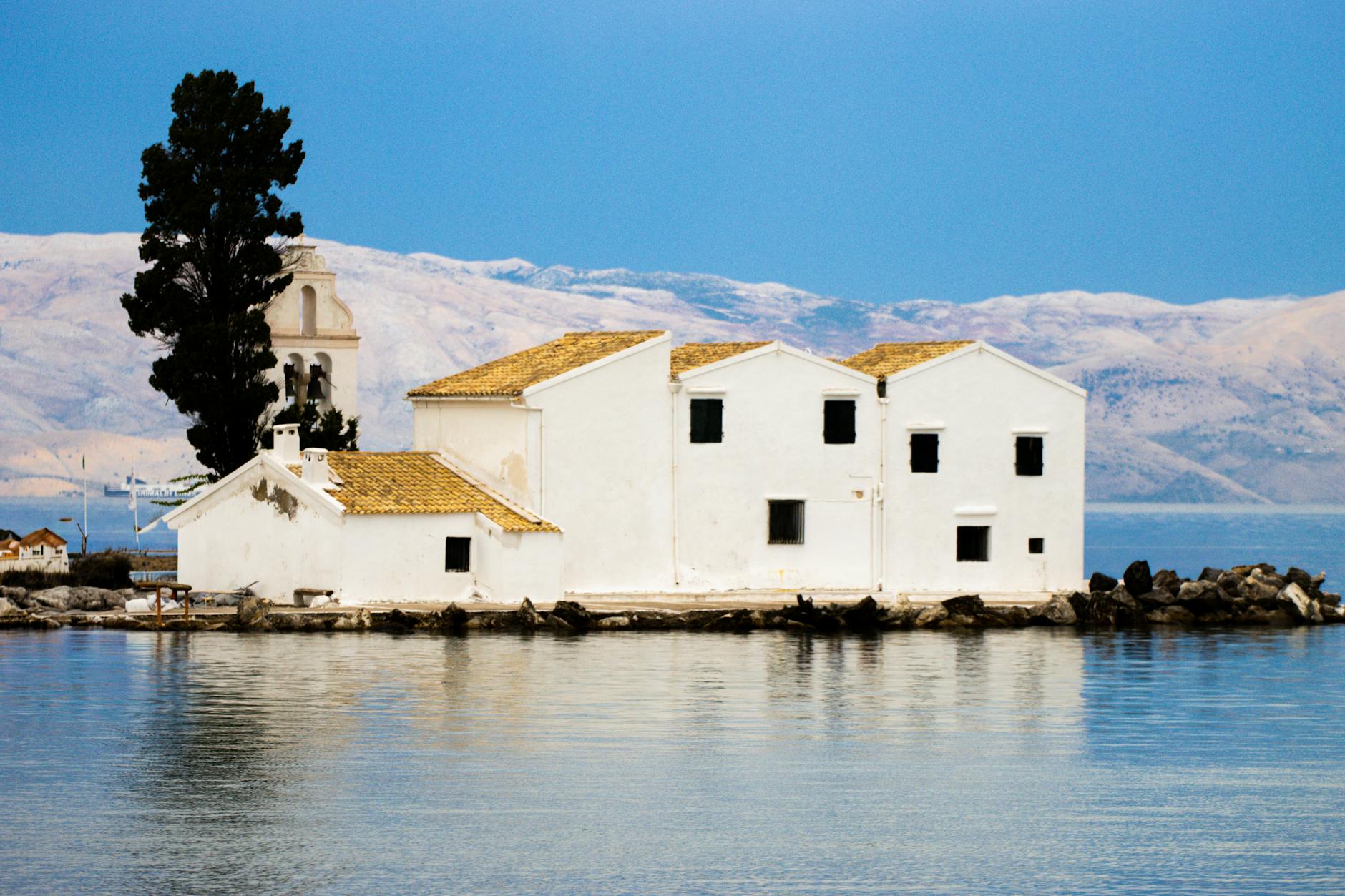
Greek island ports, particularly Santorini and Mykonos, have established new scheduling systems to manage cruise ship arrivals and prevent overcrowding. These measures have encouraged cruise lines to develop multi-day stays and overnight port visits, extending the economic impact of cruise tourism.
The infrastructure improvements reflect broader European tourism recovery patterns. Hotel occupancy rates across Mediterranean destinations have returned to pre-pandemic levels, while restaurant and retail sectors report strong performance in cruise port cities.
New Itineraries Focus on Authentic Experiences
Cruise lines are developing specialized Mediterranean routes that emphasize cultural immersion and authentic local experiences. Viking Ocean Cruises has introduced 15-day Mediterranean odyssey itineraries that include overnight stays in smaller ports like Kotor, Montenegro, and Valletta, Malta.
Windstar Cruises expanded its small-ship Mediterranean program with routes that access ports unavailable to larger vessels. Their 312-passenger ships can dock in places like Portofino, Italy, and Port-Vendres, France, offering passengers access to destinations that larger cruise ships cannot reach.
Luxury cruise operator Regent Seven Seas has developed Mediterranean itineraries that include private shore excursions and exclusive dining experiences in partnership with local restaurants and cultural institutions. These premium offerings command higher prices while supporting local tourism economies.
The trend toward authentic experiences reflects changing passenger preferences, particularly among American travelers who are booking Mediterranean cruises at record levels. Cruise industry analysts note that passengers are increasingly seeking cultural depth over traditional tourist attractions.
Food and wine tourism has become a major focus, with cruise lines partnering with local vineyards, cooking schools, and artisan producers. Celebrity Cruises offers Mediterranean itineraries that include private vineyard visits in Tuscany and olive oil tastings in Greece, experiences that generate additional revenue while supporting local agriculture.
Economic Impact Extends Beyond Tourism
The Mediterranean cruise expansion is generating economic benefits that extend well beyond traditional tourism sectors. While major shipping companies reduce fleet size amid overcapacity crisis, cruise operators are increasing their vessel deployments in European waters.
Port cities are reporting increased employment in hospitality, transportation, and retail sectors. Barcelona’s cruise industry now supports over 8,000 direct jobs, while generating an estimated 1.2 billion euros in annual economic activity. Similar patterns are emerging in Naples, Marseille, and other major cruise ports.
Local suppliers are benefiting from cruise line procurement policies that emphasize regional sourcing. Norwegian Cruise Line reports that 40% of its Mediterranean food and beverage purchases come from local suppliers, supporting European agriculture and specialty food producers.
The cruise industry’s Mediterranean expansion has also supported ancillary businesses including shore excursion operators, local tour guides, and transportation companies. Many ports report that cruise-related businesses are performing better than their pre-pandemic levels.
European governments are viewing cruise tourism as a key component of post-pandemic economic recovery strategies. Spain, Italy, and Greece have all announced programs to support cruise port development and marketing initiatives designed to attract additional cruise line investment.
The Mediterranean cruise boom reflects broader shifts in global tourism patterns, with travelers increasingly seeking experiences that combine convenience with cultural authenticity. As European destinations continue to recover and adapt to changing traveler expectations, the Mediterranean is positioned to remain the cruise industry’s fastest-growing region through 2025 and beyond.
Industry forecasts suggest Mediterranean cruise capacity will exceed pre-pandemic levels by 30% within two years, driven by continued fleet deployments and extended seasonal operations. This growth trajectory positions the region as a critical component of the global cruise industry’s recovery and future expansion plans.
Frequently Asked Questions
Which cruise lines are expanding Mediterranean routes?
Royal Caribbean, Norwegian Cruise Line, MSC Cruises, and Celebrity Cruises are leading Mediterranean expansion efforts with new ships and extended seasons.
Why is the Mediterranean popular for cruises now?
The region offers diverse cultural experiences, favorable exchange rates, improved port infrastructure, and strong booking demand exceeding pre-pandemic levels.