





Major food corporations are writing eight and nine-figure checks to acquire plant-based startups, transforming what began as a niche health movement into a fundamental shift across grocery aisles. Unilever’s acquisition of plant-based meat company The Vegetarian Butcher, Nestle’s purchase of Sweet Earth Foods, and Tyson Foods’ investments in Beyond Meat signal that traditional food giants view alternative proteins not as competition, but as essential portfolio additions.
The acquisitions represent more than trend-chasing. Consumer spending on plant-based foods reached new highs in recent years, with younger demographics driving sustained growth in categories from oat milk to meatless burgers. Food executives recognize that plant-based alternatives have moved beyond specialty health stores into mainstream supermarket real estate, creating pressure to either innovate internally or acquire established brands with proven market traction.

Traditional Giants Enter Plant-Based Territory
Established food companies are deploying acquisition strategies to capture market share in rapidly growing plant-based segments. Unilever’s purchase of The Vegetarian Butcher brought European plant-based expertise to the consumer goods giant’s portfolio, while Nestle has systematically acquired multiple plant-based brands including Sweet Earth Foods and Freshly to build comprehensive alternative protein offerings.
Tyson Foods, traditionally associated with conventional meat production, invested heavily in Beyond Meat and later launched its own plant-based product lines. The company’s strategy reflects broader industry recognition that consumer preferences are shifting toward products perceived as healthier and more environmentally sustainable.
Danone acquired WhiteWave Foods, gaining access to Silk plant-based beverages and So Delicious dairy alternatives. The acquisition positioned Danone as a leader in the plant-based dairy category, capitalizing on growing consumer interest in almond, oat, and soy-based milk alternatives that now occupy significant refrigerator space in major grocery chains.
These acquisitions follow a pattern of established companies recognizing that plant-based alternatives represent permanent market shifts rather than temporary fads. Major food corporations are leveraging their distribution networks, manufacturing capabilities, and marketing budgets to scale plant-based brands that previously operated in limited markets.
Health Trends Drive Consumer Demand
Plant-based food sales continue growing as consumers increasingly associate these products with health benefits, environmental consciousness, and dietary flexibility. Younger consumers, in particular, are incorporating plant-based options into their regular shopping routines rather than viewing them as specialty purchases.
The health positioning of plant-based alternatives resonates with consumers seeking to reduce processed meat consumption, increase vegetable protein intake, or address dietary restrictions. Plant-based milk alternatives have become mainstream enough that coffee shops stock multiple non-dairy options as standard offerings rather than premium add-ons.
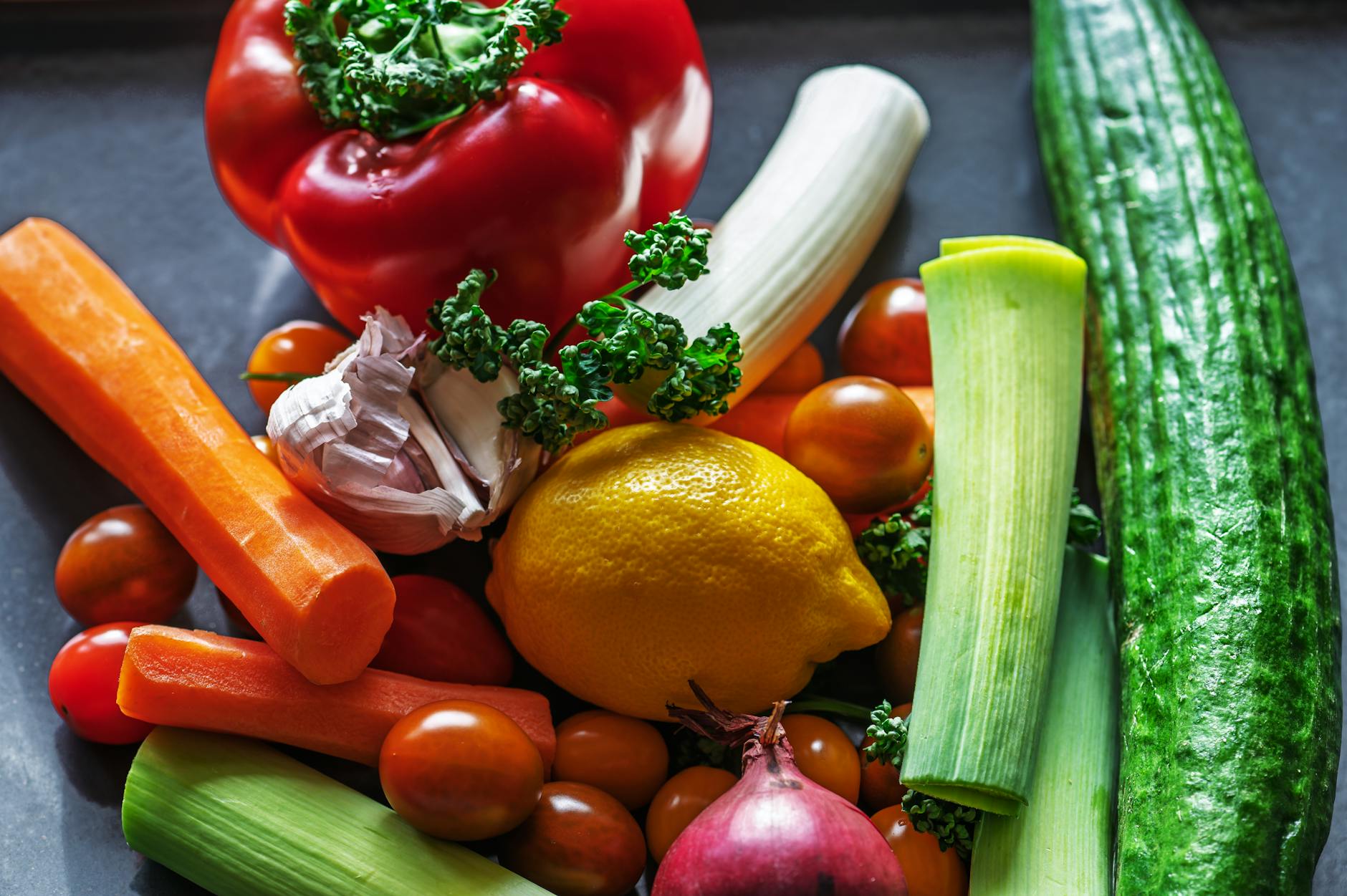
Food companies are responding to consumer research showing that health considerations increasingly influence purchasing decisions. Plant-based products allow traditional food manufacturers to participate in the wellness trend while leveraging existing supply chains and retail relationships.
Marketing messages around plant-based acquisitions emphasize nutritional benefits, ingredient transparency, and alignment with contemporary health consciousness. Major brands are positioning these acquisitions as extensions of their commitment to offering diverse product portfolios that meet evolving consumer preferences.
The trend extends beyond meat alternatives to encompass plant-based versions of traditionally dairy-heavy products like yogurt, cheese, and ice cream. Established food companies are acquiring startups that have successfully developed plant-based alternatives with taste and texture profiles appealing to mainstream consumers rather than exclusively health-focused demographics.
Market Integration and Distribution Advantages
Acquisition by major food companies provides plant-based startups with immediate access to established distribution networks, manufacturing scale, and retail relationships that would take years to develop independently. Small plant-based companies often struggle with production capacity and supply chain logistics that large food corporations have already optimized.
The integration allows acquired plant-based brands to appear in mainstream grocery stores alongside traditional products, benefiting from prime shelf placement and promotional opportunities that independent brands rarely achieve. Major food companies can leverage their relationships with retailers to secure favorable positioning for newly acquired plant-based products.
Manufacturing synergies enable acquired plant-based companies to reduce production costs and improve profit margins through economies of scale. Large food corporations can apply their procurement expertise to source ingredients more efficiently and optimize manufacturing processes for plant-based products.
Distribution advantages extend to international markets, where established food companies maintain relationships with global retailers and understand regulatory requirements for food product launches. Plant-based startups benefit from immediate international expansion opportunities that would be prohibitively expensive to pursue independently.
Similar acquisition strategies are emerging across retail sectors, as major companies adapt to changing consumer preferences. Major grocery chains are implementing operational changes to accommodate evolving shopping patterns and product categories driven by health and convenience trends.

Future Market Expansion
The acquisition trend in plant-based foods appears positioned for continued growth as consumer acceptance of alternative proteins becomes more widespread. Food industry analysts expect additional acquisitions as traditional companies seek to establish or expand plant-based product lines before market opportunities become more competitive.
Investment patterns suggest that plant-based alternatives will become standard offerings across food categories rather than remaining niche products. Major food companies are treating these acquisitions as long-term strategic investments in changing consumer preferences rather than short-term trend capitalization.
The success of early plant-based acquisitions is likely to encourage additional consolidation in the sector, with larger companies acquiring specialized brands that have developed innovative products or manufacturing processes. The trend reflects broader recognition that alternative proteins represent a permanent expansion of food market categories rather than temporary consumer experimentation.
As plant-based alternatives achieve greater market penetration, acquired brands benefit from the resources and expertise of established food companies while contributing innovation and consumer appeal to traditional product portfolios. This dynamic suggests continued acquisition activity as the plant-based food sector matures and integrates with mainstream food manufacturing and retail systems.
Frequently Asked Questions
Why are major food companies acquiring plant-based startups?
They’re responding to sustained consumer demand for healthier alternatives and need established brands to compete in growing plant-based markets.
How do acquisitions benefit plant-based companies?
Startups gain access to major distribution networks, manufacturing scale, and retail relationships that accelerate mainstream market penetration.