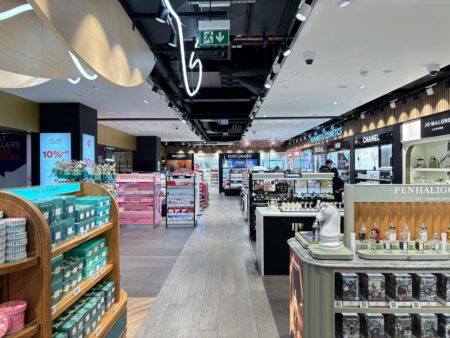





Walk into any Walmart, Target, or Kroger today and you’ll notice something different: fewer human cashiers behind the registers, more self-checkout kiosks humming with activity. The shift isn’t subtle anymore-major grocery chains are rapidly replacing traditional checkout lanes with automated systems, fundamentally changing how Americans shop for food.
The transformation has accelerated dramatically since 2020, driven by labor shortages, rising wages, and consumer acceptance of self-service technology. What started as a few experimental kiosks has evolved into comprehensive automation strategies that touch every aspect of the grocery shopping experience.
The Numbers Behind the Automation Wave
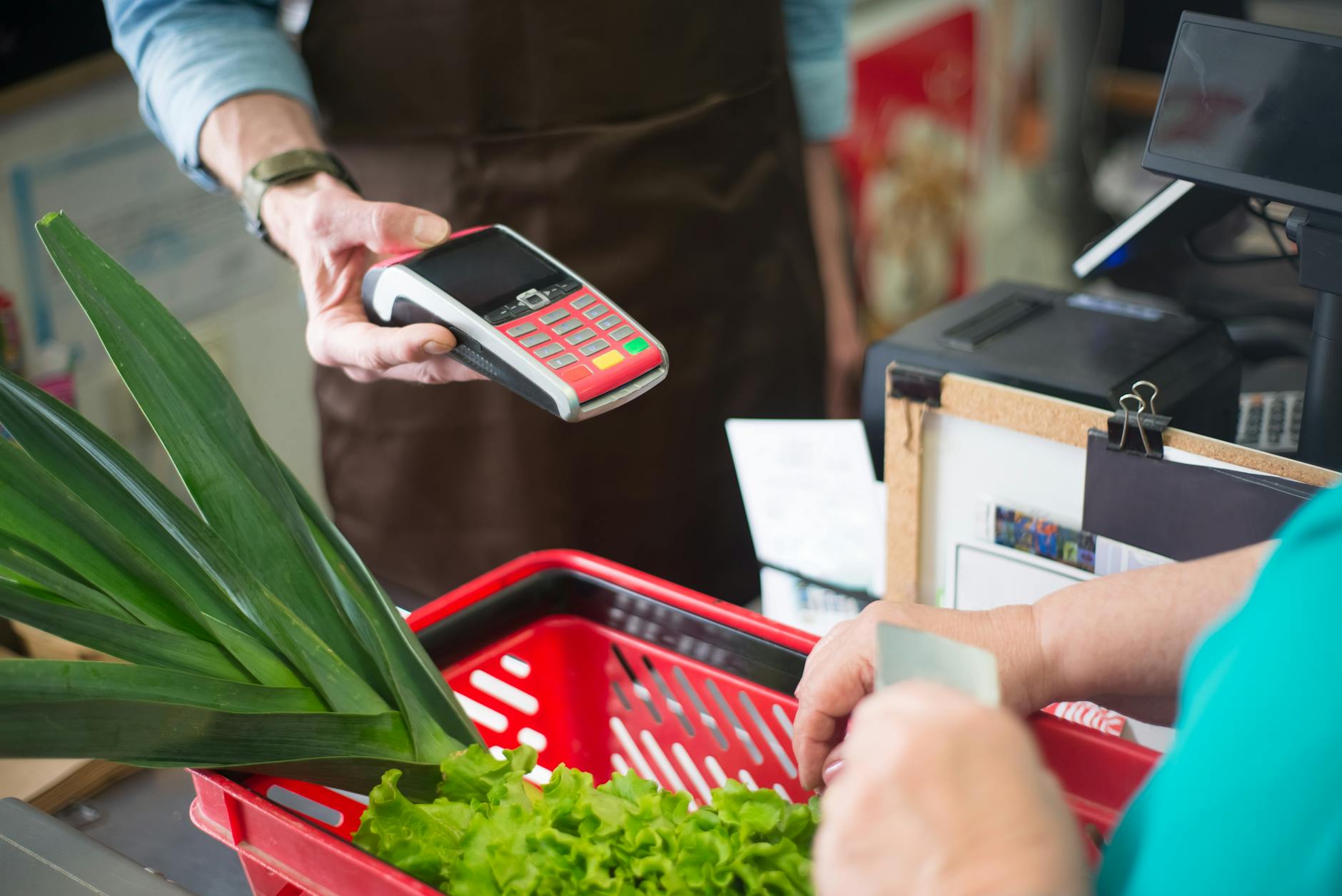
Walmart leads the charge with over 10,000 self-checkout machines across its U.S. stores, according to industry reports. The retail giant has been quietly converting traditional checkout lanes to self-service options, with some locations featuring as many as 20 automated stations compared to just two or three staffed registers.
Target has followed suit, installing self-checkout systems in nearly all of its 1,800 U.S. locations. The Minneapolis-based retailer reports that self-checkout transactions now account for more than 50% of all purchases at many stores, particularly during peak shopping hours.
Kroger, America’s largest grocery chain, has invested heavily in “Scan, Bag, Go” technology, allowing customers to scan items with their smartphones while shopping. The Cincinnati-based company has also partnered with technology firms to test fully automated checkout systems that use computer vision to identify products without scanning.
Regional chains haven’t stayed behind. H-E-B in Texas, Wegmans in the Northeast, and Publix in the Southeast have all expanded their self-checkout footprints significantly over the past three years. Industry analysts estimate that self-checkout stations have increased by over 30% nationwide since 2021.
Technology Gets Smarter and Faster
The latest generation of automated checkout systems bears little resemblance to the clunky, error-prone machines that frustrated shoppers a decade ago. Today’s systems use artificial intelligence, computer vision, and advanced weight sensors to streamline the process.
Amazon’s “Just Walk Out” technology, initially deployed in Amazon Fresh stores, uses hundreds of cameras and sensors to track what customers pick up. Shoppers simply grab items and leave-the system automatically charges their account. While Amazon has scaled back some of these installations, the technology has influenced competitors to develop similar solutions.

Walmart has partnered with Irish company Everseen to deploy AI-powered systems that can detect when items aren’t scanned properly or when customers attempt to leave without paying. These systems use machine learning to identify suspicious behavior patterns, reducing theft while maintaining customer privacy.
Target’s latest self-checkout kiosks feature larger touchscreens, improved barcode scanners, and AI assistance that can identify produce items by image recognition. The technology significantly reduces the time customers spend looking up product codes for fruits and vegetables.
Some chains are experimenting with hybrid approaches. Stop & Shop has introduced mobile checkout carts equipped with scanners and payment systems, allowing customers to check out without visiting any station. The carts automatically total purchases and process payment through stored customer accounts.
Employee Impact and Store Restructuring
The shift toward automation doesn’t necessarily mean fewer jobs, but it does mean different jobs. Many grocery chains are redeploying cashiers to other roles: personal shopping for online orders, customer service, and floor assistance.
Walmart has created thousands of “personal shopper” positions to fulfill online grocery orders, often paying higher wages than traditional cashier roles. These employees shop for customers who place orders online, requiring product knowledge and customer service skills beyond basic checkout operations.
Target has similarly expanded its fulfillment team to handle the surge in online orders and same-day pickup services. The company reports that many former cashiers have moved into these roles, which often offer more varied daily tasks and opportunities for advancement.
However, the transition isn’t seamless for all workers. Older employees sometimes struggle with technology training, and some cashiers prefer the routine interaction of traditional checkout over the physical demands of fulfillment work. Union representatives have raised concerns about job displacement, particularly in markets where grocery workers are unionized.
Some chains are taking proactive approaches to workforce development. Kroger has invested in training programs that teach cashiers to operate and maintain automated systems, creating technology support roles within stores. These positions often come with higher pay and require more technical skills.
Customer Response and Behavioral Changes
Consumer acceptance of automated checkout has reached a tipping point, particularly among younger shoppers. Surveys indicate that over 60% of customers under 40 prefer self-checkout for small purchases, citing speed and convenience as primary factors.
However, the technology isn’t universally beloved. Older customers often express frustration with complicated interfaces and lack of human assistance. Many shoppers report difficulty with age-restricted items like alcohol, which still require staff intervention, creating bottlenecks that defeat the purpose of automation.
Grocery chains are responding by maintaining hybrid models. Most stores now feature a mix of self-checkout stations, traditional cashier lanes, and express lanes for different customer preferences and purchase sizes. This approach recognizes that automation works best for certain transaction types while human cashiers remain valuable for complex purchases or customer service situations.
Looking Ahead: The Future of Grocery Checkout
The automation trend shows no signs of slowing. Industry experts predict that by 2028, over 80% of grocery transactions will involve some form of automated checkout, whether self-service kiosks, mobile scanning, or computer vision systems.
Investment in checkout technology continues to grow, with grocery chains allocating significant portions of their capital expenditure budgets to automation projects. This investment pattern mirrors trends in other industries, where companies are automating routine tasks while redirecting human workers to higher-value activities.
The technology will likely become more sophisticated, with better AI recognition, faster payment processing, and improved integration with loyalty programs and digital coupons. Some industry observers predict that within five years, the traditional checkout experience-waiting in line to have items scanned by a human cashier-will become the exception rather than the rule.
As major industries continue to embrace automation and technology-driven solutions, the grocery sector’s transformation reflects broader economic shifts. Similar to how gaming companies are pivoting to educational software to meet changing market demands, grocery retailers are adapting their operational models to align with evolving consumer preferences and economic pressures.
The next phase of grocery automation will likely focus on seamless integration between online and in-store experiences, making the distinction between digital and physical shopping increasingly irrelevant. For an industry built on human interaction and personal service, this represents perhaps the most significant operational change in grocery retail history.
Frequently Asked Questions
Which grocery chains are using automated checkout systems?
Walmart, Target, Kroger, H-E-B, Wegmans, and Publix have all significantly expanded their self-checkout and automated systems.
Are automated checkout systems eliminating cashier jobs?
Many chains are redeploying cashiers to other roles like personal shopping and customer service rather than eliminating positions entirely.