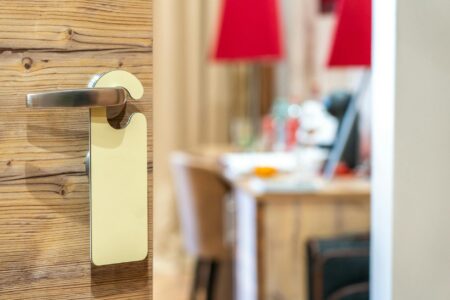





Hotel guests checking into major chains across America are discovering an uncomfortable reality: their rooms won’t receive daily housekeeping service unless they specifically request it. What began as a pandemic-era cost-cutting measure has evolved into a permanent operational strategy as hospitality giants grapple with rising labor costs and workforce shortages.
Marriott, Hilton, and Hyatt have quietly implemented “green” housekeeping policies that reduce room cleaning frequency from daily to every other day or upon request only. The shift represents a fundamental change in hospitality standards that defined luxury service for decades, with hotels framing the reduction as environmental consciousness while addressing bottom-line pressures.
Industry analysts estimate that housekeeping represents 30-40% of a hotel’s operational labor costs, making it a prime target for efficiency improvements. The move affects both business travelers accustomed to fresh towels and leisure guests expecting traditional full-service experiences.

Labor Shortage Drives Operational Changes
The American Hotel and Lodging Association reports that hotels nationwide operate with 14% fewer staff members than pre-pandemic levels, with housekeeping departments experiencing the most severe shortages. Entry-level housekeeping positions, typically paying $12-16 per hour, struggle to attract workers in a tight labor market where warehouse and retail jobs offer similar wages with better conditions.
Marriott International, operating over 8,000 properties worldwide, has standardized reduced housekeeping across most brands. Guests at Courtyard, Residence Inn, and even premium properties like JW Marriott now receive housekeeping every other day by default. The company trains staff to clean rooms more thoroughly during each visit, extending time per room from 20 minutes to 35 minutes.
Hilton has implemented similar policies across Hampton Inn, Embassy Suites, and Hilton Garden Inn brands. The chain reports that 60% of guests don’t request additional cleaning during shorter stays, suggesting some acceptance of the new model. However, business travelers and extended-stay guests frequently voice complaints about the policy change.
Regional hotel chains have adopted varied approaches. Some boutique properties maintain daily service as a differentiation strategy, while budget chains have eliminated housekeeping entirely for stays under three nights. The inconsistency creates confusion for travelers unsure what service level to expect.
Financial Impact and Operational Efficiency
Hotels implementing reduced housekeeping report labor cost savings of 15-25% in room operations, according to hospitality consulting firm STR. These savings help offset rising wages, increased benefits costs, and recruitment expenses as properties compete for limited workers. Some chains redirect savings toward higher wages for remaining housekeeping staff, reducing turnover in critical positions.
The operational model allows hotels to maintain occupancy levels with fewer staff members while avoiding the service disruptions that plagued the industry during reopening phases. Properties can accommodate peak demand periods without scrambling to hire temporary workers or forcing existing staff into overtime situations.
However, the financial benefits come with hidden costs. Guest satisfaction scores have declined at properties with reduced housekeeping, particularly among business travelers and loyalty program members expecting premium service. Some hotels report increased spending on supplies as guests use more towels and linens when daily replacement isn’t guaranteed.

Housekeeping staff face mixed impacts from the changes. While some appreciate reduced workload pressure, others lose income from decreased hours or overtime opportunities. Hotels have retrained cleaning crews to handle deeper cleaning protocols and manage guest requests more efficiently, requiring investment in staff development programs.
Guest Experience and Market Response
Traveler reaction varies significantly by demographic and travel purpose. Leisure travelers, particularly younger guests, often accept reduced housekeeping as part of broader environmental consciousness trends. Many express willingness to reuse towels and skip daily cleaning for sustainability reasons, especially when hotels provide incentives like dining credits or loyalty points.
Business travelers present a different challenge. Corporate accounts that book thousands of room nights annually have begun questioning service standards and negotiating housekeeping frequency into contract terms. Some companies redirect bookings to properties maintaining traditional daily service, creating competitive pressure in the business travel segment.
The luxury hotel segment faces particular scrutiny over service reductions. Guests paying premium rates at upscale properties expect daily housekeeping as a fundamental service component. Several high-end chains have maintained daily cleaning while implementing efficiency improvements like optimized cleaning schedules and room assignment strategies.
Guest complaints typically focus on perception rather than actual cleanliness standards. Many properties report that rooms cleaned every other day maintain identical hygiene levels, but guests psychologically associate daily service with quality and attention to detail. Hotels invest in communication strategies to explain policy changes and emphasize enhanced cleaning protocols when service occurs.
Similar to how [major retailers have abandoned self-checkout systems due to theft losses](https://finreporter.net/major-retailers-abandon-self-checkout-systems-due-to-theft-losses/), hotels are discovering that operational efficiency doesn’t always align with customer expectations and experiences.

Industry Evolution and Future Outlook
The housekeeping reduction trend reflects broader changes across service industries as businesses adapt to persistent labor challenges and evolving consumer expectations. Hotels are implementing technology solutions like mobile apps for housekeeping requests, automated inventory management, and guest communication platforms to maintain service quality with reduced staff interaction.
Some properties experiment with hybrid models, offering daily housekeeping for premium room categories while maintaining reduced service for standard accommodations. This tiered approach allows hotels to differentiate service levels while managing operational costs across different market segments.
The long-term success of reduced housekeeping policies depends largely on guest adaptation and competitive responses. If customers consistently choose properties with traditional daily service, hotels may need to reverse course or find alternative cost-saving measures. However, if travelers accept new service standards, the changes likely become permanent industry fixtures.
Labor market conditions will ultimately determine the sustainability of current policies. If wage pressures ease and worker availability improves, some hotels may restore daily housekeeping as a competitive advantage. Conversely, continued labor shortages could drive further service reductions across the hospitality sector.
The housekeeping evolution represents a fundamental shift in hospitality service standards, similar to how airlines reduced meal service and retail stores eliminated full-service checkout options. While framed as environmental initiatives, these changes primarily address economic pressures that show no signs of diminishing in the near term.
Frequently Asked Questions
Why are hotels reducing housekeeping services?
Hotels face severe labor shortages and rising costs, with housekeeping representing 30-40% of operational expenses.
Do all hotel chains have reduced housekeeping now?
Most major chains like Marriott, Hilton, and Hyatt have implemented every-other-day or on-request cleaning policies.