




Empty movie theaters across America are finding new life as corporate boardrooms, product launch venues, and team-building spaces. Major chains including AMC, Regal, and Cinemark have quietly launched business event divisions, transforming underutilized screens into revenue-generating corporate facilities during off-peak hours.
The shift represents a fundamental change in how theater operators view their real estate. With weekday afternoon and morning slots traditionally generating minimal ticket sales, chains are packaging these dead zones as premium meeting experiences. The model offers something office buildings cannot: stadium seating, massive screens, and professional audio systems that turn quarterly reviews into cinematic experiences.

Premium Pricing for Corporate Clients
Corporate event bookings command significantly higher revenue per seat than traditional moviegoers. While a typical matinee ticket might generate twelve dollars, corporate clients pay between three hundred and eight hundred dollars for half-day theater rentals, depending on market size and amenities included.
AMC’s corporate division, launched quietly in 2023, now operates in over two hundred locations. The program includes dedicated event coordinators, catering partnerships, and technical support for presentations. Companies book theaters for everything from product launches to employee training sessions, attracted by the immersive environment and professional atmosphere.
Regal Entertainment Group has taken a different approach, partnering with local event planners and corporate retreat companies. Their “Regal Corporate” program focuses on day-long experiences, combining meeting spaces with team-building activities. The chain reports that corporate bookings now account for nearly eight percent of daytime revenue at participating locations.
Technology upgrades support this transition. Many theaters have installed wireless presentation systems, improved lighting controls, and enhanced internet connectivity. The investment proves worthwhile as corporate clients typically book multiple sessions and recommend venues to other businesses.
Adapting to Hybrid Work Culture
The corporate event strategy responds directly to changes in business culture. Remote and hybrid work models have created demand for unique meeting spaces that justify bringing distributed teams together. Companies seek venues that feel special enough to warrant travel and time away from home offices.
Theater environments offer several advantages over traditional conference centers. The tiered seating ensures everyone has clear sight lines to presentations. Sound systems designed for movie dialogue capture every word during meetings. The darkened environment minimizes distractions, helping maintain focus during lengthy sessions.
Some chains have modified theaters specifically for corporate use. Cinemark has installed tables that attach to armrests, creating workspace while maintaining the theater aesthetic. Others have added break-out rooms in adjacent spaces, allowing for small group discussions during larger events.

The timing aligns with broader retail adaptations. Similar to how major grocery chains are testing subscription models to maintain revenue streams, theaters are diversifying beyond their core entertainment function to capture new market segments.
Competition from Traditional Venues
Hotels and conference centers have noticed the theater trend and responded with their own immersive meeting spaces. Marriott has launched “StoryPoint” meeting rooms featuring curved screens and premium sound systems. Hilton’s “Connected Room” concept includes theater-style seating and presentation technology.
The competition has pushed theater chains to differentiate their offerings. Some locations now provide exclusive catering menus, valet parking, and concierge services for corporate clients. Others focus on unique experiences like private screenings before or after business sessions.
Event planners report that theater venues work best for specific types of meetings. Product launches, training sessions, and company-wide presentations benefit from the cinematic environment. However, collaborative workshops and networking events still favor traditional conference setups with flexible seating arrangements.
Pricing remains competitive with high-end hotel meeting spaces, but theaters offer unique value propositions. The novelty factor helps with employee engagement, while the audiovisual capabilities exceed most corporate conference rooms. Some companies have made theater rentals part of their regular meeting rotation.
Industry Response and Market Expansion
Independent theater operators have embraced the corporate model even more aggressively than major chains. Smaller venues offer more personalized service and flexible scheduling, appealing to local businesses and regional companies. Some independent theaters now generate more revenue from corporate events than from movie ticket sales.
The trend extends beyond traditional business meetings. Political organizations book theaters for candidate forums and town halls. Educational institutions rent spaces for lectures and graduation ceremonies. Religious organizations use theaters for special services and community events.
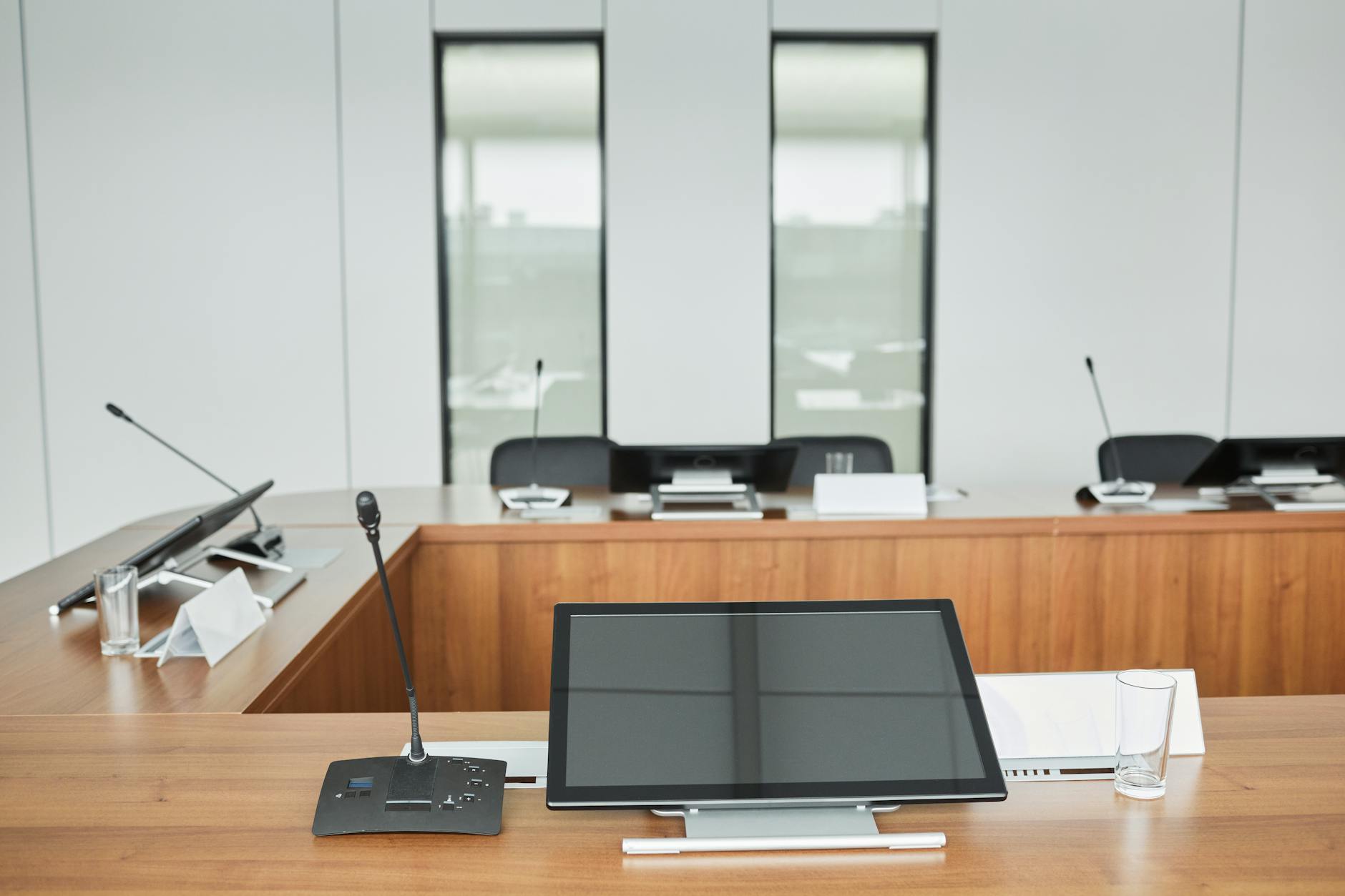
Real estate implications are significant. Theater locations in business districts command premium corporate event pricing, while suburban locations focus on community events and local business meetings. Some chains are factoring corporate event potential into new location decisions, preferring sites with easy highway access and ample parking.
The transformation reflects broader changes in how Americans use commercial spaces. As traditional retail adapts to e-commerce pressures and office buildings adjust to remote work trends, entertainment venues are expanding their utility beyond core functions.
Market research indicates the corporate meeting and events industry will continue growing, driven by companies seeking memorable experiences for hybrid teams. Theater chains that successfully adapt their spaces and services to business clients may find more stable revenue streams than traditional movie exhibition alone can provide.
The movie theater industry’s pivot to corporate events represents smart adaptation to changing consumer behavior and business needs. As entertainment habits evolve and work culture shifts, theaters that embrace multiple revenue streams position themselves for long-term sustainability in an increasingly competitive landscape.
Frequently Asked Questions
How much do corporate theater rentals cost?
Theater rentals for corporate events typically range from $300-800 for half-day bookings, significantly higher than regular ticket revenue.
What types of corporate events work best in theaters?
Product launches, training sessions, and company presentations benefit most from theater environments with stadium seating and premium audiovisual systems.