




The self-checkout revolution that promised to streamline shopping and reduce labor costs is hitting a wall of reality. Major retailers across the country are pulling back from automated checkout systems as theft losses skyrocket and customer frustration mounts, forcing a dramatic rethink of store operations.
Target made headlines this fall by removing self-checkout stations from several locations, citing security concerns and operational challenges. The Minneapolis-based retailer joins a growing list of companies scaling back their self-service operations after years of aggressive expansion. What began as a cost-cutting innovation has become a costly headache for many in the industry.
The numbers tell a stark story. Retail theft has surged to unprecedented levels, with the National Retail Federation reporting losses exceeding $100 billion annually. Self-checkout stations, originally designed to reduce labor expenses, have inadvertently created new vulnerabilities that sophisticated shoplifters exploit with alarming frequency.
The Theft Crisis Reshaping Retail Strategy
Self-checkout systems have become prime targets for both opportunistic and organized theft. Unlike traditional cashier-monitored transactions, these stations rely heavily on customer honesty and limited surveillance technology. Shoplifters have developed increasingly sophisticated methods to bypass security measures, from simple barcode swapping to complex schemes involving multiple accomplices.
Walmart, the nation’s largest retailer, has quietly reduced self-checkout options in hundreds of stores over the past year. The Arkansas-based giant, which once championed automated checkout as the future of retail, now limits self-service stations to customers with fewer items during peak hours. The company reports that staffed checkout lanes process transactions more efficiently while significantly reducing theft incidents.
Dollar General has taken perhaps the most dramatic action, removing self-checkout entirely from several hundred locations after experiencing what executives described as “unacceptable” inventory shrinkage. The discount retailer found that the combination of limited staffing and automated checkout created perfect conditions for theft, particularly in urban markets where organized retail crime has intensified.
The financial impact extends beyond direct theft losses. Retailers must factor in the cost of additional security personnel, enhanced surveillance systems, and technology upgrades designed to combat checkout fraud. These expenses often eliminate the labor savings that originally justified self-checkout investments.
Customer Experience Concerns Drive Change
Beyond security issues, retailers are discovering that many customers actively dislike self-checkout systems. Survey data consistently shows that a significant portion of shoppers find these stations frustrating, time-consuming, and prone to technical glitches. Age verification for alcohol purchases, produce weight issues, and coupon processing problems create bottlenecks that defeat the purpose of faster checkout.
Kroger has responded by implementing a hybrid approach across its chain, maintaining self-checkout for tech-savvy customers while ensuring adequate staffed lanes during busy periods. The grocer found that customer satisfaction scores improved when shoppers had genuine choice between automated and traditional checkout options.
Regional grocery chains have been particularly vocal about scaling back self-checkout. Many report that the technology works well for small basket sizes but becomes problematic for typical grocery shopping trips. Wegmans, known for exceptional customer service, has removed self-checkout from several locations after determining that staffed lanes better align with their brand values.
The labor dynamics have also shifted since many retailers first embraced self-checkout. With unemployment at historic lows and wages rising across the service sector, the original cost savings argument has weakened. Many retailers now view checkout staff as valuable customer service representatives rather than simply transaction processors.

Technology Limitations Expose Operational Flaws
The technology underlying self-checkout systems has struggled to keep pace with retail complexity. Weight sensors frequently malfunction, barcode scanners fail to read damaged packages, and age verification systems create awkward delays. These technical issues require constant staff intervention, negating much of the supposed efficiency gains.
Costco has maintained a skeptical stance toward self-checkout throughout the industry’s adoption wave. The warehouse club’s executives argue that their membership model and bulk purchasing patterns make automated checkout impractical. Their approach of investing in well-trained cashiers has proven prescient as other retailers grapple with self-checkout challenges.
Fresh market retailers face particular difficulties with self-checkout systems. Produce identification, weight variations, and pricing complexities create numerous friction points. Whole Foods has experimented with advanced scanning technology but continues to rely heavily on staffed checkout lanes for complex transactions.
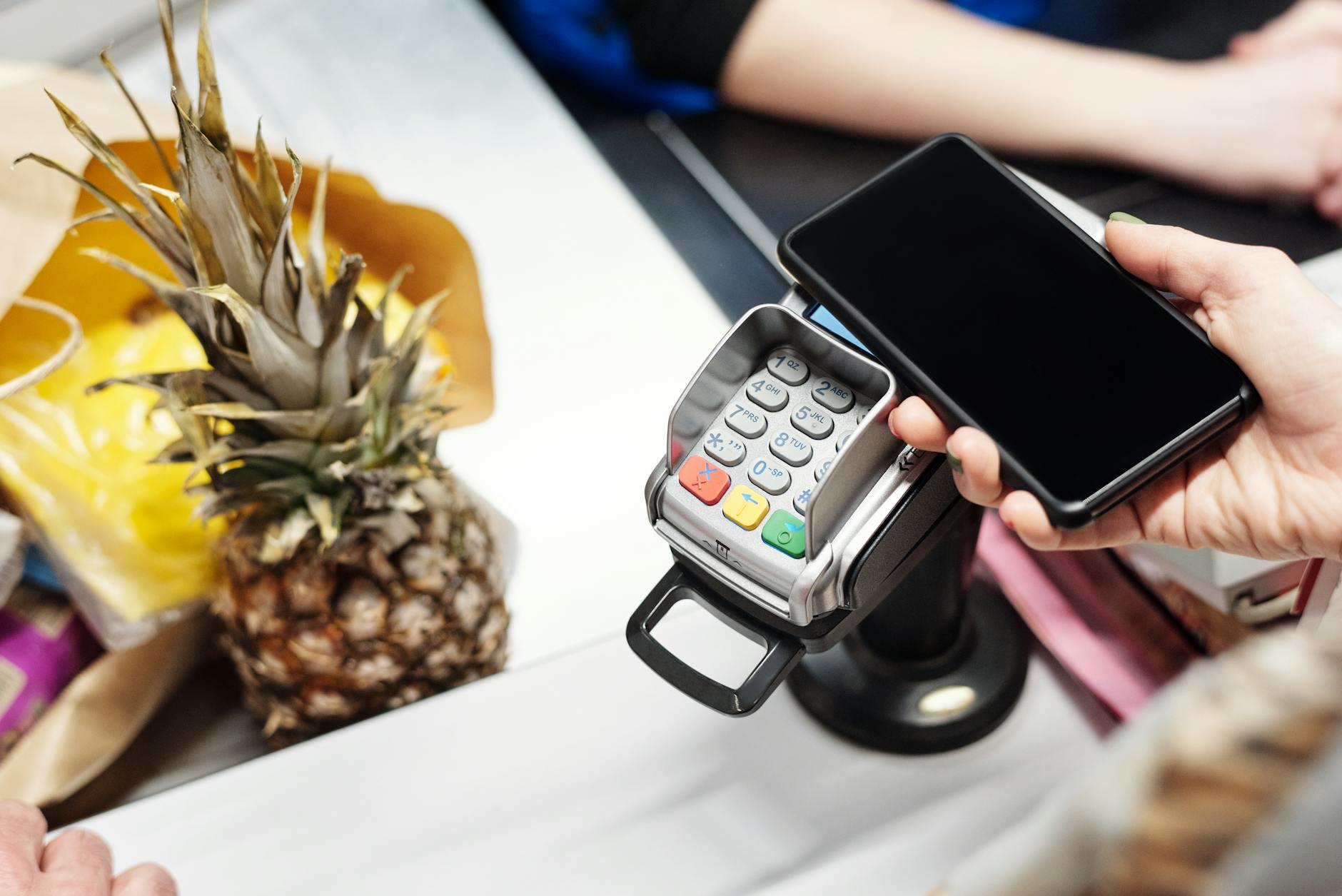
The rise of mobile payment systems and contactless transactions has created new security vulnerabilities. Sophisticated thieves exploit gaps between different payment technologies, sometimes using legitimate mobile payments to mask theft of additional items. Retailers struggle to integrate various security systems effectively.
Some companies have invested in AI-powered surveillance to monitor self-checkout stations more effectively. However, these systems require significant capital investment and ongoing maintenance, further eroding the cost advantages that initially drove self-checkout adoption.
Industry Adapts With Hybrid Solutions
Rather than abandoning self-checkout entirely, many retailers are developing more nuanced approaches that balance efficiency, security, and customer satisfaction. CVS has implemented express self-checkout lanes for customers purchasing five items or fewer, while directing larger transactions to staffed registers.
Home improvement retailers like Home Depot have found success with assisted self-checkout, where employees actively monitor and help customers navigate the process. This hybrid model maintains some labor savings while addressing security concerns and customer frustration.

The grocery industry, which initially embraced self-checkout most enthusiastically, is now leading the pullback. Major chains are discovering that the technology works best as a supplement to traditional checkout rather than a replacement. This mirrors broader trends in retail automation, where companies are finding that customer-facing technology requires careful balance with human interaction.
Looking ahead, retailers are exploring next-generation checkout technologies that promise to address current limitations. Amazon’s “Just Walk Out” technology, which eliminates checkout entirely, represents one possible future direction. However, the high implementation costs and technical complexity limit adoption to specific use cases.
The self-checkout retreat reflects broader lessons about retail innovation. Technologies that appear revolutionary in controlled environments often face unexpected challenges when deployed at scale across diverse customer bases and market conditions. As retailers recalibrate their checkout strategies, the focus shifts from pure automation toward solutions that genuinely improve both operational efficiency and customer experience.
The industry’s evolving approach to checkout technology will likely influence how retailers evaluate future automation investments, prioritizing proven customer benefits over theoretical cost savings.
Frequently Asked Questions
Why are retailers removing self-checkout stations?
Retailers cite mounting theft losses, customer frustration, and technical issues that eliminate the originally projected cost savings from automated checkout systems.
Which major retailers have scaled back self-checkout?
Target, Walmart, Dollar General, and several grocery chains have removed or limited self-checkout options due to security and operational concerns.