





The global shipping industry faces a brutal reckoning. Container rates have plummeted 80% from their pandemic peaks, forcing major carriers to make painful decisions about fleet sizes. What seemed like endless growth just two years ago has transformed into the industry’s most severe overcapacity crisis in decades.
The numbers tell a stark story. Maersk, the world’s second-largest container shipping company, announced plans to reduce capacity by 20% through 2024. CMA CGM, France’s shipping giant, has already begun returning leased vessels early and delaying new ship deliveries. Even industry leader MSC has started parking dozens of container ships in anchorages worldwide, creating floating graveyards of idle capacity.
This downturn represents more than cyclical adjustment. The pandemic-era shipping boom, which saw companies scramble to add vessels as freight rates soared above $10,000 per container, has reversed dramatically. Today, those same routes command barely $1,500 per container, forcing carriers to confront the harsh mathematics of oversupply.
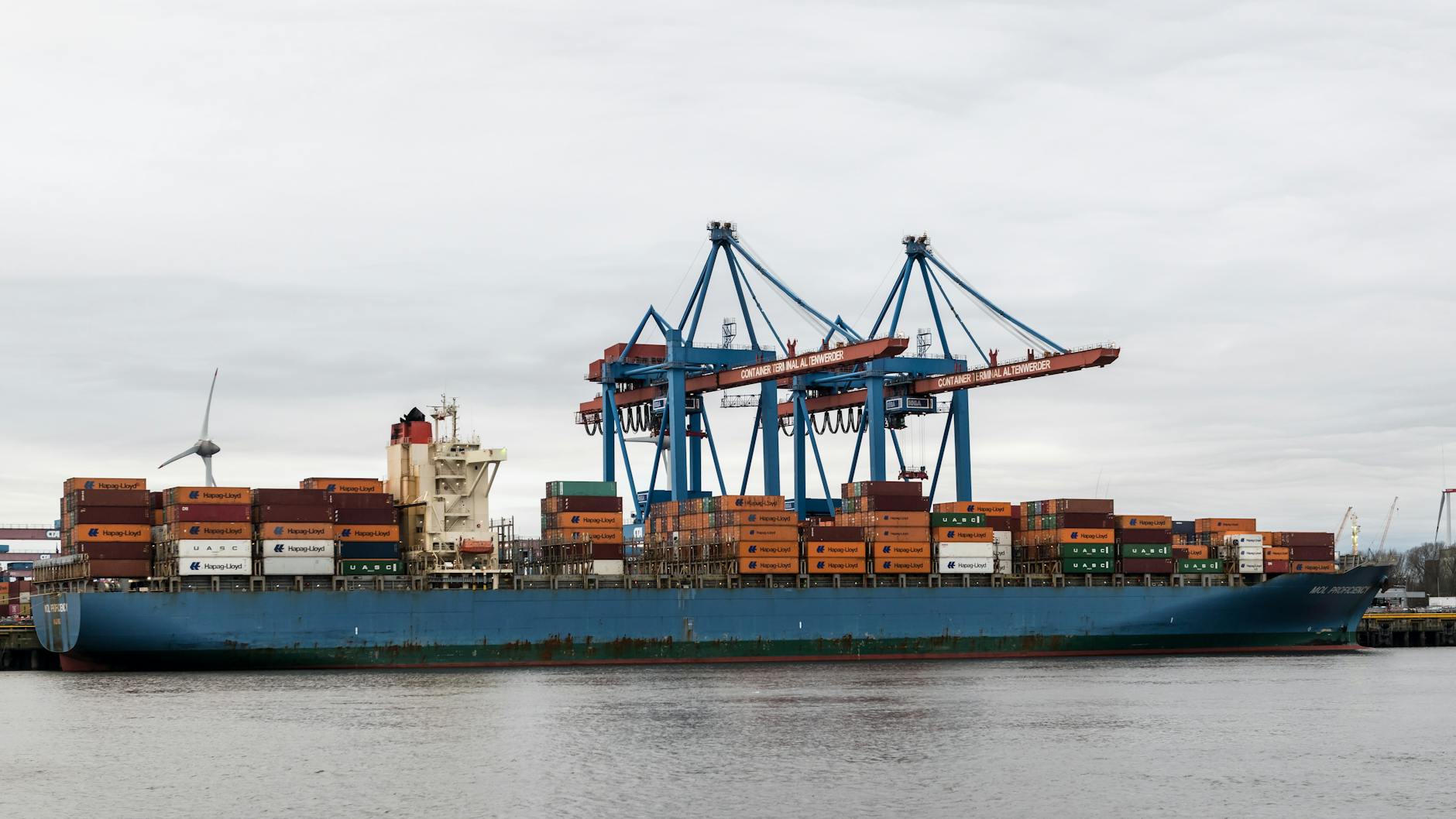
The Overcapacity Perfect Storm
The crisis stems from a collision of factors that shipping executives failed to anticipate. During 2021 and 2022, carriers ordered record numbers of new vessels, expecting sustained high demand. Approximately 7 million twenty-foot equivalent units (TEU) of new capacity entered service in 2023 alone, representing a 7% increase in global fleet size.
Meanwhile, consumer spending patterns shifted dramatically. The pandemic-driven surge in goods purchases – everything from home exercise equipment to electronics – gave way to services spending as economies reopened. Americans began traveling, dining out, and attending events again, reducing demand for shipped goods.
Hapag-Lloyd, Germany’s largest container line, reported that global container volumes declined 4.5% in 2023 compared to the previous year. This marks the first sustained decrease in global shipping demand since the 2008 financial crisis. The company’s CEO Rolf Habben Jansen described the situation as “the most challenging market environment in our industry’s modern history.”
The overcapacity extends beyond just too many ships. Port infrastructure, expanded rapidly during the boom years, now sits underutilized. The Port of Los Angeles, America’s busiest container gateway, handled 30% fewer containers in late 2023 compared to its pandemic peak. Similar patterns emerge across major ports in Rotterdam, Singapore, and Shanghai.
Fleet Reduction Strategies Across the Industry
Shipping companies are deploying various tactics to right-size their operations. The most immediate response involves returning leased vessels to owners before contracts expire. Evergreen Line has returned over 50 chartered ships in the past six months, while Yang Ming has terminated early leases on approximately 30 vessels.
Slow steaming has emerged as another crucial strategy. By reducing vessel speeds from typical 20-22 knots to 15-16 knots, carriers effectively remove capacity from the market while burning less fuel. This operational adjustment can reduce effective fleet capacity by 15-20% without physically retiring ships.
More dramatic measures include cold-stacking vessels – essentially parking ships in anchorages with minimal crew and maintenance. Zim Integrated Shipping Services has cold-stacked 12 container ships, representing nearly 8% of its operated fleet. These vessels remain available for potential reactivation but generate no operating costs beyond basic maintenance.
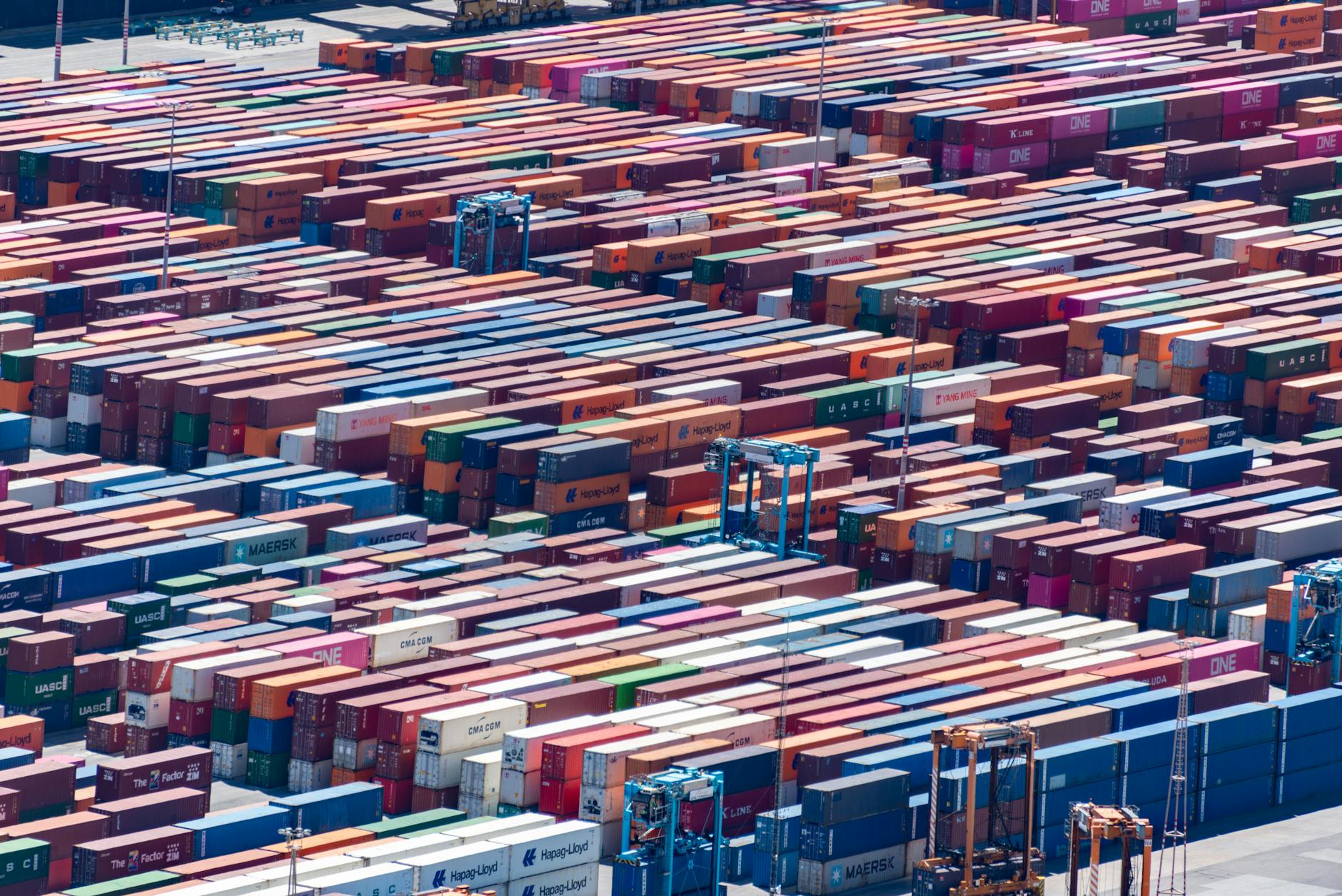
The industry is also witnessing unprecedented scrapping of relatively young vessels. Typically, container ships operate for 20-25 years before scrapping, but several carriers have sent ships just 15-18 years old to shipbreaking yards. The economics have shifted so dramatically that the steel value of these vessels exceeds their operational worth.
Consolidation through alliances has accelerated as well. The Ocean Alliance, comprising CMA CGM, COSCO, Evergreen, and OOCL, has reduced service frequencies on multiple trade lanes. Rather than each member operating separate services, they’re combining routes and sharing vessels to eliminate redundant capacity.
Financial Impact and Industry Restructuring
The financial consequences of fleet reduction extend far beyond shipping companies themselves. Ship leasing companies, which expanded rapidly during the boom, now face cascading defaults as carriers return vessels early or renegotiate terms. Seaspan Corporation, one of the world’s largest container ship lessors, reported a 40% increase in early lease terminations during the third quarter of 2023.
Shipbuilding yards are experiencing their own crisis. Orders for new container vessels have virtually disappeared, with many yards seeing 2024 order books down 70% from 2022 levels. South Korean shipbuilder HMM has laid off 15% of its workforce, while Chinese yards are pivoting toward military contracts and offshore wind projects to maintain operations.
The ripple effects reach major retailers and manufacturers who built supply chain strategies around abundant, cheap shipping capacity. Companies that secured long-term shipping contracts at peak rates now face competitors with access to dramatically lower spot market rates. This disparity is forcing some retailers to restructure their logistics networks entirely.
Some industry observers see opportunity amid the chaos. Smaller regional carriers are acquiring vessels at heavily discounted prices from major lines seeking to reduce capacity quickly. Wan Hai Lines, based in Taiwan, has purchased six container ships from distressed sellers at prices 40% below pre-pandemic levels.
Looking Ahead: Market Stabilization and Recovery
Industry analysts predict the overcapacity crisis will persist through 2025, with meaningful recovery unlikely before 2026. The International Maritime Organization’s new environmental regulations, requiring ships to achieve net-zero emissions by 2050, may accelerate the retirement of older, less efficient vessels and provide natural capacity reduction.
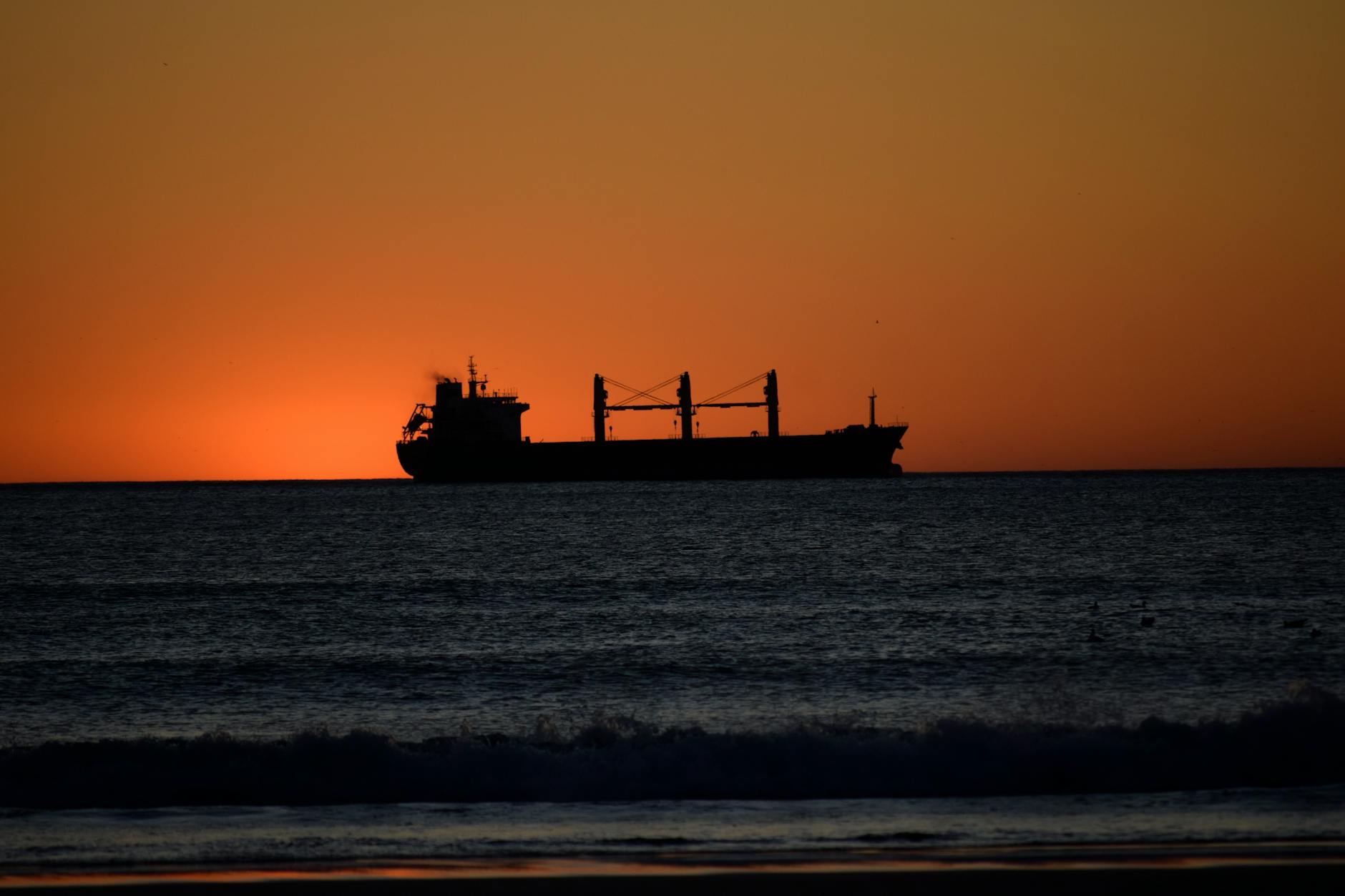
Several major carriers are betting on emerging trade routes to absorb excess capacity. The Africa-Asia corridor, driven by infrastructure development across the African continent, shows promising growth potential. Similarly, intra-Asia trade continues expanding as regional manufacturing networks mature.
The crisis is forcing fundamental changes in how shipping companies operate. Gone are the days of aggressive capacity expansion and speculative vessel orders. Instead, carriers are embracing flexible fleet management, utilizing more short-term charters and focusing on operational efficiency over market share.
Much like how major retailers are experimenting with operational efficiency measures, shipping companies are discovering that sustainable profitability requires disciplined capacity management rather than endless growth.
The survivors of this overcapacity crisis will emerge with leaner operations, stronger balance sheets, and hard-earned lessons about market volatility. For global trade, this painful adjustment period may ultimately result in a more stable, efficient shipping industry better equipped to handle future demand fluctuations without the boom-bust cycles that have plagued maritime commerce for decades.
The question now isn’t whether the industry will recover, but which companies will be positioned to capitalize when demand eventually returns to pre-crisis levels.
Frequently Asked Questions
Why are shipping companies reducing their fleet sizes?
Container shipping rates have fallen 80% from pandemic peaks while vessel capacity increased 7%, creating severe overcapacity and forcing fleet reductions.
How long will the shipping overcapacity crisis last?
Industry analysts predict the crisis will persist through 2025, with meaningful recovery unlikely before 2026.