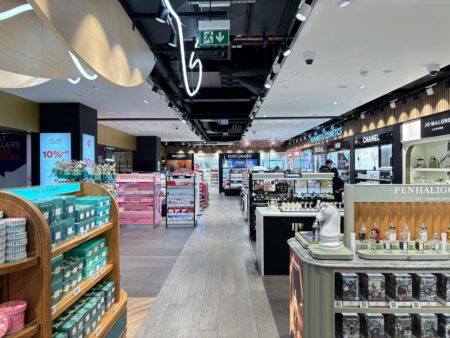





The subscription box boom that defined the 2010s is making an unexpected move. Companies that built their empires on doorstep deliveries are now betting their futures on something decidedly analog: physical storefronts. This shift represents one of the most significant pivots in modern retail, as digital-first brands discover that customers still crave the tangible experience of touching, testing, and taking products home immediately.
Birchbox opened its first permanent retail location in New York’s SoHo district in 2014, but the trend accelerated dramatically during the pandemic recovery. FabFitFun launched pop-up experiences in Los Angeles and New York, while Dollar Shave Club partnered with Target for in-store presence. These moves signal a fundamental rethinking of customer acquisition and retention strategies in an increasingly crowded subscription landscape.

The Economics Behind the Shift
Subscription fatigue has created a challenging environment for box companies. Customer acquisition costs have skyrocketed as digital advertising becomes more expensive and less effective. Apple’s iOS privacy updates disrupted targeted advertising, while consumers have become more selective about recurring charges appearing on their credit card statements.
Physical retail offers subscription companies several advantages they cannot achieve online. Store visitors can sample products before committing to monthly deliveries, reducing the friction that prevents initial sign-ups. The tactile experience builds stronger brand connections than digital marketing campaigns, leading to higher customer lifetime values and lower churn rates.
Rent costs, surprisingly, often prove more predictable than digital marketing expenses. A lease agreement locks in monthly costs for years, while Facebook and Google advertising prices fluctuate unpredictably based on competition and algorithm changes. For established subscription brands with recognizable names, physical locations can serve as powerful marketing vehicles that generate organic foot traffic without ongoing ad spend.
Successful Transformation Models
Warby Parker pioneered this transition in the eyewear space, proving that direct-to-consumer brands could thrive in physical retail. The company now operates over 200 stores nationwide, with retail locations generating higher average order values than online purchases. Their stores serve multiple functions: showrooms for trying on frames, customer service centers for adjustments, and brand experience spaces that reinforce their design-forward identity.
Casper followed a similar playbook in the mattress category, opening “sleep shops” where customers can test products before purchasing. These locations address the primary objection to buying mattresses online while maintaining the brand’s minimalist aesthetic and customer-centric approach. The stores also serve as fulfillment centers for same-day delivery in major metropolitan areas.
Beauty subscription services have found particular success with retail partnerships. Ipsy collaborated with major retailers to create branded sections within existing stores, allowing customers to discover new products through curated displays rather than monthly boxes. This approach reduces overhead costs while expanding brand visibility beyond existing subscriber bases.

Operational Challenges and Solutions
The transition from digital-only operations to physical retail requires significant operational restructuring. Inventory management becomes exponentially more complex when products must be available both for subscription fulfillment and immediate store purchases. Companies must invest in point-of-sale systems, train retail staff, and navigate local regulations they never encountered in pure e-commerce operations.
Subscription companies face unique staffing challenges in physical locations. Unlike traditional retailers, their employees must understand both individual products and the subscription service model. Staff members need to explain monthly delivery schedules, product rotation systems, and subscription management tools while also providing immediate customer service for walk-in purchases.
Technology integration presents another hurdle. Retail systems must synchronize with existing subscription management platforms to prevent overselling limited-edition items or creating inventory conflicts between channels. Some companies have developed hybrid models where stores primarily serve as experience centers, with most purchases still processed through their existing digital infrastructure.
Similar to how major retailers have had to reconsider their technology implementations, subscription companies must carefully balance automation with human interaction in their physical spaces.
Supply Chain Adaptations
Physical retail demands different supply chain strategies than subscription fulfillment. Monthly box shipments allow for bulk ordering and centralized distribution, while retail locations require more frequent, smaller deliveries to maintain fresh inventory. Companies must establish relationships with regional distributors and develop just-in-time ordering systems to prevent stockouts without tying up excessive capital in inventory.
Product packaging also requires redesign for retail environments. Subscription boxes emphasize unboxing experiences with custom packaging and educational materials, while retail products need shelf-stable packaging that protects items during handling and clearly communicates value propositions to browsing customers.
Future of Hybrid Retail Models
The most successful subscription-to-retail transitions are creating integrated experiences that leverage both channels’ strengths. Customers might discover products in stores, subscribe to regular deliveries, and return to physical locations for exchanges or special events. This omnichannel approach maximizes customer touchpoints while providing multiple revenue streams.
Technology will play an increasingly important role in bridging digital and physical experiences. Augmented reality mirrors allow customers to try virtual makeup applications, while mobile apps can instantly add store discoveries to existing subscriptions. Some companies are experimenting with QR codes that link physical products to detailed online content about ingredients, usage tips, and customer reviews.
The subscription box industry’s move to physical retail reflects broader changes in consumer behavior and retail economics. As digital marketing becomes more expensive and less effective, brands are rediscovering the power of physical presence to build customer relationships and drive growth.
This trend mirrors transformations happening across industries, similar to how streaming services are diversifying their content strategies to maintain subscriber growth in saturated markets.
The companies that successfully navigate this transition will likely emerge stronger, with diversified revenue streams and deeper customer relationships. Those that remain purely digital may find themselves increasingly disadvantaged as competition intensifies and customer acquisition costs continue rising. The future belongs to brands that can seamlessly blend the convenience of subscription services with the immediacy and tangibility that only physical retail can provide.
Frequently Asked Questions
Why are subscription box companies opening physical stores?
Rising digital advertising costs and customer desire for hands-on product experiences before subscribing are driving this retail expansion.
Which subscription companies have successfully opened stores?
Warby Parker, Casper, Birchbox, and Dollar Shave Club have all successfully transitioned to physical retail locations.