





A quiet revolution is reshaping institutional portfolios as pension funds, sovereign wealth entities, and family offices accumulate something you can’t manufacture or replace: water rights. Major institutional investors are allocating billions to this tangible asset class, driven by growing scarcity, climate pressures, and the fundamental reality that demand for clean water continues rising while supply remains finite.
The shift represents a dramatic departure from traditional commodity investing. Unlike oil or gold, water rights provide legal claims to specific water sources – rivers, aquifers, and reservoirs – that generate consistent returns through agricultural leases, municipal contracts, and industrial supply agreements. Institutional investors are discovering that water rights offer inflation protection, steady cash flows, and appreciation potential that rivals prime real estate.
This movement gained momentum following severe drought cycles across the western United States, Australia, and parts of Europe. Institutional allocators watched agricultural water rights in California’s Central Valley appreciate by double-digit percentages annually while traditional equity markets remained volatile. The combination of scarcity-driven appreciation and income generation has caught the attention of sophisticated investors seeking alternatives to low-yielding bonds and uncertain stock markets.
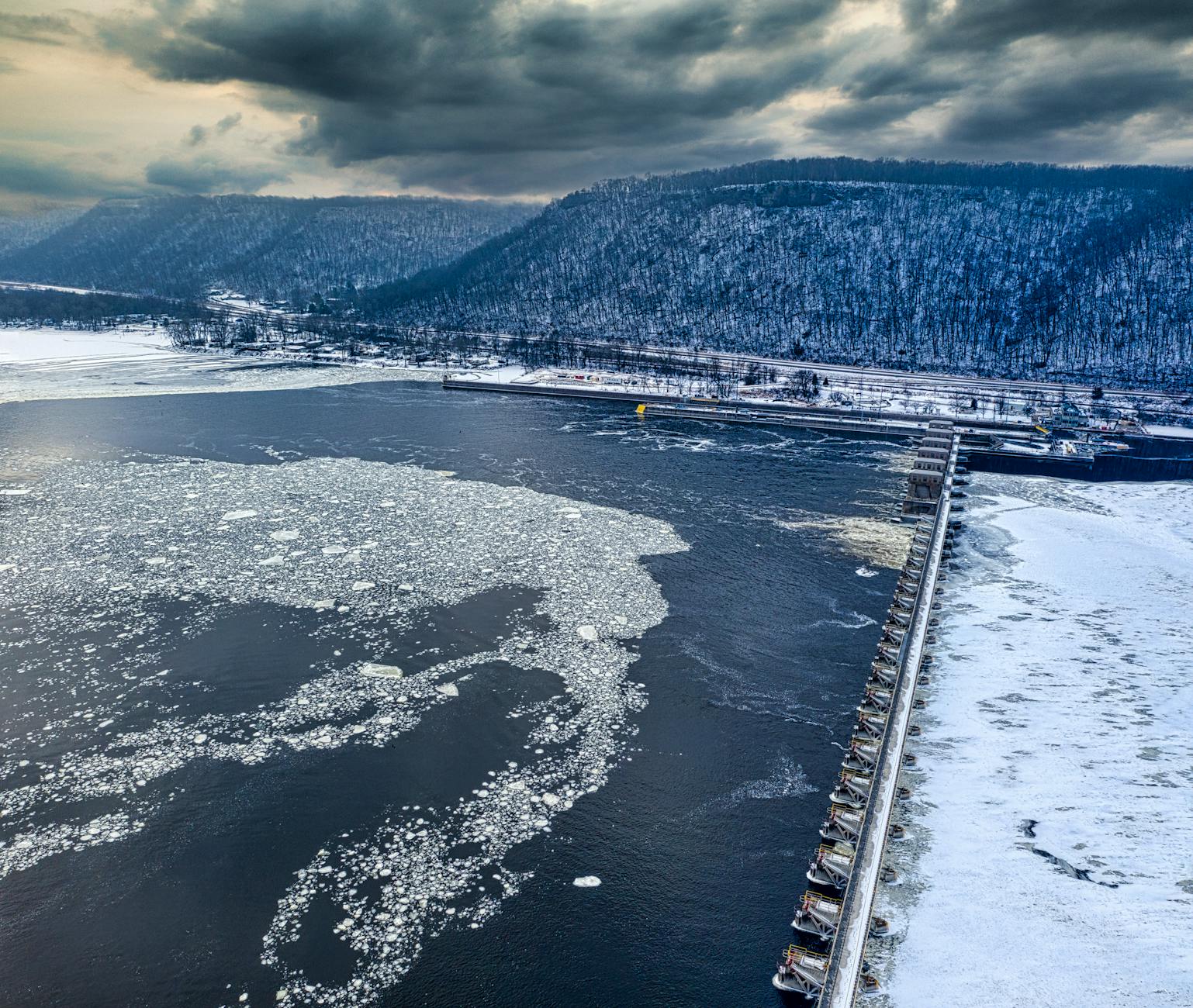
Scarcity Economics Drive Institutional Interest
Water rights operate on fundamental scarcity principles that institutional investors understand well. Unlike manufactured goods, water supplies in specific regions face absolute limits determined by geography, climate, and legal frameworks. The Colorado River system, which supplies water to seven states and 40 million people, operates under allocation agreements established decades ago when water was more abundant.
Institutional investors recognize that these supply constraints create natural price floors for water rights. BlackRock, CalPERS, and several Australian superannuation funds have quietly built positions in water rights across different geographic regions. Their approach mirrors strategies used in prime urban real estate – acquiring scarce assets in high-demand locations with regulatory barriers to new supply.
The investment thesis extends beyond simple scarcity. Climate change intensifies water stress in traditionally reliable regions while creating excess in others. Institutional investors are positioning in water-rich areas of the Great Lakes region, parts of the Pacific Northwest, and select international markets where water abundance meets growing demand from population centers and industrial development.
Agricultural demand drives much of the current market. California’s almond and wine industries require consistent water access, creating stable tenant demand for institutional water right owners. These agricultural leases often include inflation adjustments and multi-year terms that appeal to pension funds seeking predictable cash flows. Some institutional investors report water rights generating annual yields between 4% and 8% through agricultural leasing arrangements.
Regulatory Framework Creates Investment Moats
Complex water law creates significant barriers to entry that institutional investors view as competitive advantages. Water rights in most jurisdictions follow “prior appropriation” doctrine – first in time, first in right – meaning older water rights hold priority during shortages. Institutional investors target senior water rights with historical priority dates, understanding these assets become more valuable during drought periods.
The regulatory environment varies dramatically by region, creating opportunities for sophisticated investors with legal expertise. Western states operate under different frameworks than eastern riparian systems, while international water markets in Australia, Chile, and parts of Europe offer additional diversification opportunities. Institutional investors often partner with specialized water right brokers and legal teams to navigate these complex regulatory landscapes.
Environmental regulations add another layer of complexity that favors institutional investors. Water transfers between agricultural and municipal uses often require environmental impact assessments, habitat restoration commitments, and regulatory approvals that can take years to complete. Individual investors typically lack resources to navigate these processes, while institutional investors can absorb compliance costs and lengthy approval timelines.
Some institutional investors are exploring opportunities in water storage and infrastructure alongside pure water rights. These hybrid investments combine senior water rights with storage facilities, conveyance systems, or treatment capabilities that enhance the underlying water asset’s value and utility.

Portfolio Diversification and Inflation Protection
Water rights provide institutional investors with exposure to essential resource markets that operate independently from traditional asset classes. Correlation studies show water right values typically move inversely to precipitation patterns and independently from equity market cycles. This uncorrelated return profile appeals to institutional investors seeking true portfolio diversification.
Inflation protection represents another key attraction. Water prices typically rise with general price levels, and water rights often appreciate faster during inflationary periods. Agricultural water users can pass increased water costs through to food prices, while municipal water systems adjust rates to cover rising input costs. Institutional investors view water rights as natural inflation hedges that maintain purchasing power across economic cycles.
The asset class also provides geographic diversification within portfolios. Water markets remain largely regional, with limited arbitrage between distant basins. Institutional investors can build water right positions across multiple regions, gaining exposure to different climate patterns, regulatory environments, and demand drivers. This geographic diversification reduces portfolio risk from localized drought, regulatory changes, or economic downturns in specific regions.
Some institutional investors are integrating water rights into broader ESG investment strategies. Water conservation, efficient irrigation systems, and sustainable agricultural practices align with environmental mandates while potentially enhancing returns. These ESG-focused water investments often generate additional returns through carbon credit programs, conservation grants, and premium pricing from environmentally conscious end users.
Traditional commodity investments like commodity-focused mutual funds face volatility challenges that water rights potentially avoid through their localized, use-specific characteristics.
Emerging Investment Vehicles and Market Structure
Institutional water right investment increasingly occurs through specialized vehicles designed for large-scale allocations. Water asset management firms are launching private equity funds, REITs, and direct investment platforms that pool institutional capital for water right acquisitions. These vehicles provide institutional investors with professional management, diversified holdings, and liquidity options that individual water right ownership typically lacks.
Several investment banks are developing water right indices and derivative products that allow institutional exposure without direct ownership complexities. These financial instruments could eventually support ETFs, futures contracts, and other investment vehicles familiar to institutional investors. Early versions focus on Australian water markets, which offer the most developed trading infrastructure and price discovery mechanisms.
Technology integration is transforming water right valuation and management. Satellite monitoring, soil moisture sensors, and weather modeling systems provide real-time data on water usage, crop conditions, and yield forecasting. Institutional investors use this technology to optimize water allocations, predict market conditions, and enhance returns from their water right holdings.
The market structure continues evolving as more institutional capital enters. Professional water brokers, specialized legal firms, and technical service providers are expanding to serve institutional investor needs. This growing service infrastructure reduces transaction costs, improves market liquidity, and makes water right investment more accessible to institutional portfolios.

Market observers expect continued institutional adoption as water scarcity intensifies and traditional fixed-income yields remain compressed. The fundamental driver – growing water demand meeting constrained supply – shows no signs of reversal. Climate change, population growth, and economic development in water-stressed regions continue creating favorable conditions for water right appreciation.
Institutional investors are positioning for a future where water rights become as essential to portfolio construction as real estate or infrastructure investments. As this alternative asset class matures, expect more sophisticated investment products, improved liquidity mechanisms, and greater institutional adoption across pension funds, sovereign wealth funds, and endowments seeking scarce, income-generating assets in an uncertain economic environment.
The water rights investment trend reflects institutional recognition that some of the most compelling opportunities exist in fundamental resources that cannot be replicated or replaced. As traditional yield sources become less reliable, institutional investors are discovering that controlling access to essential resources provides both income and appreciation potential that may define successful portfolios in the coming decades.
Frequently Asked Questions
Why are institutional investors buying water rights?
They provide inflation protection, steady cash flows from agricultural leases, and appreciation potential from growing scarcity with finite supply.
How do water rights generate returns for investors?
Through agricultural leases, municipal contracts, and appreciation as water becomes scarcer in high-demand regions.