





Amazon warehouses now deploy robotic systems at unprecedented speed as labor costs surge across the United States. The e-commerce giant has accelerated automation investments by 40% this year, installing thousands of new robots and AI-powered sorting systems to offset rising wages and worker shortages that plague the logistics industry.
The shift represents a fundamental transformation in how Amazon manages its vast fulfillment network. With minimum wages climbing in major markets and competition for warehouse workers intensifying, the company is betting heavily on technology to maintain its delivery speed promises while controlling operational costs.

Robotic Workforce Expansion Reaches New Heights
Amazon’s latest automation push centers on advanced robotic arms capable of handling packages weighing up to 50 pounds. These machines, manufactured by Amazon Robotics, can sort and move inventory 25% faster than human workers while operating continuously without breaks or shift changes.
The company has installed over 520,000 robotic drive units across its fulfillment centers globally, with plans to add another 100,000 units by year-end. These orange robots navigate warehouse floors autonomously, carrying shelving units to human workers who pick items for customer orders.
“We’re seeing robotics technology mature to the point where it can handle complex warehouse tasks that previously required human dexterity,” says logistics analyst Maria Chen from Supply Chain Dive. “Amazon is capitalizing on this technological leap to address labor market pressures.”
Beyond basic movement, Amazon’s newest robots incorporate computer vision and machine learning to identify products, detect damage, and optimize placement within warehouses. The Sparrow robotic arm, introduced last year, can now handle over one million different product types – a significant improvement from early systems limited to standardized items.
Labor Cost Pressures Drive Strategic Shift
Rising labor costs have created urgency around Amazon’s automation strategy. Average warehouse wages have increased 15% over the past two years, with starting pay now reaching $19 per hour in many markets. Competition from other major employers has forced Amazon to offer enhanced benefits packages, including expanded healthcare coverage and tuition assistance programs.
Worker turnover remains a persistent challenge, with some facilities experiencing annual turnover rates exceeding 100%. Training new employees costs an estimated $3,000 per worker, making retention crucial for operational efficiency. Automation offers a solution by reducing dependence on human labor for routine tasks while allowing existing workers to focus on more complex responsibilities.
The company faces additional pressure from labor organizing efforts at various facilities. Recent unionization attempts, while largely unsuccessful, have highlighted worker concerns about workplace conditions and compensation. Automation potentially reduces friction points by eliminating some physically demanding roles while creating new positions in robot maintenance and oversight.
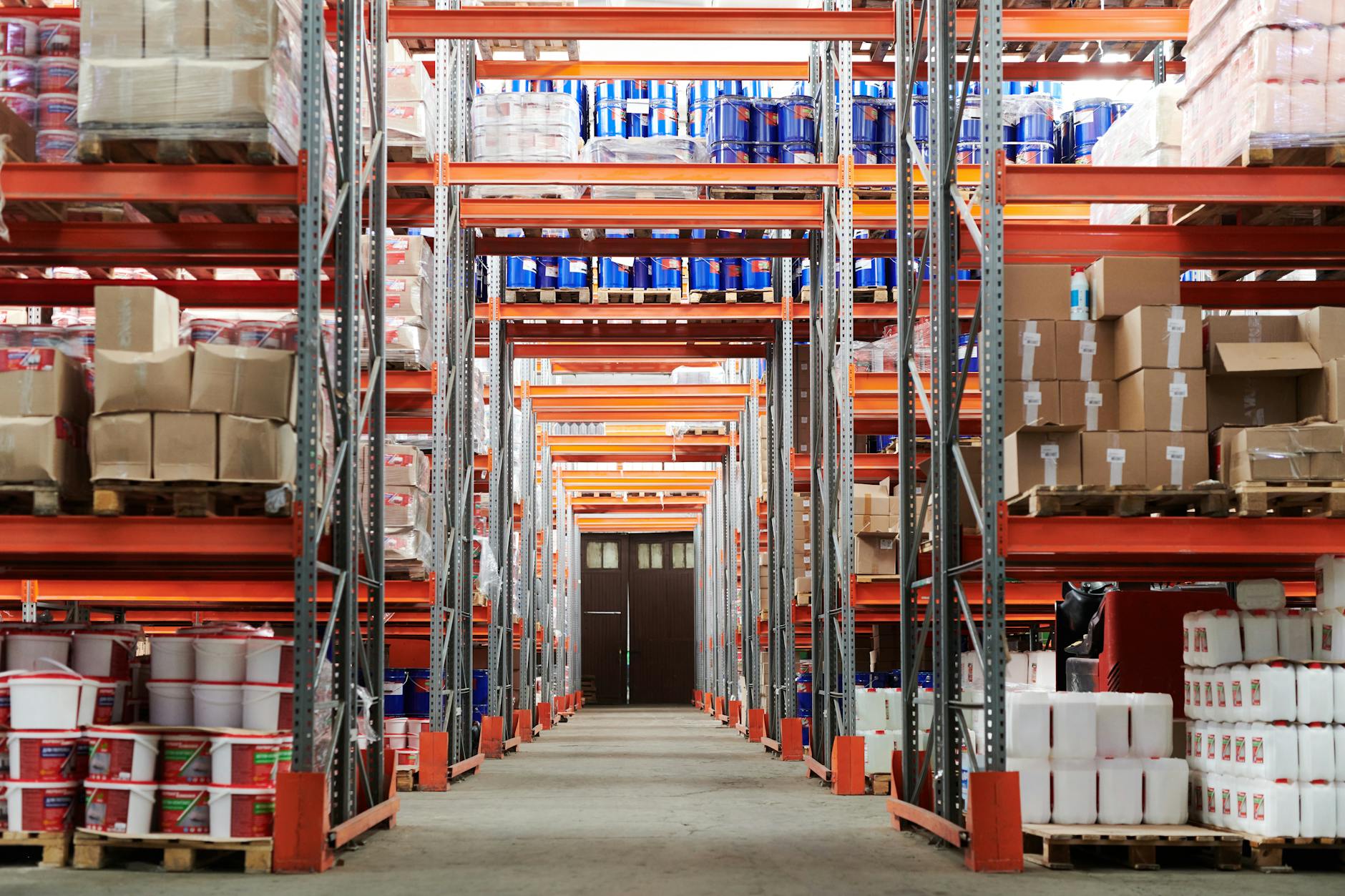
Amazon’s investment in automation extends beyond cost savings to address capacity constraints. Peak shopping periods like Prime Day and holiday seasons strain existing workforce capacity, leading to temporary hiring surges that prove expensive and logistically complex. Robotic systems provide scalable capacity that adjusts to demand fluctuations without the hiring and training overhead associated with seasonal workers.
Technology Integration Creates New Operational Model
The latest wave of automation represents a sophisticated integration of multiple technologies working in concert. Amazon’s fulfillment centers now combine robotic movement systems with AI-powered inventory management, predictive analytics for demand forecasting, and automated sorting mechanisms that route packages based on delivery destinations.
Computer vision systems scan millions of packages daily, identifying products and verifying correct placement without human intervention. Machine learning algorithms analyze historical data to predict which items should be positioned closest to packing stations, reducing the distance robots must travel to fulfill orders.
Amazon Web Services provides the cloud infrastructure supporting these automation systems, creating a feedback loop where the company’s logistics operations generate data that improves its cloud computing offerings. This integration allows real-time optimization across hundreds of facilities simultaneously, adjusting robot routing and inventory placement based on current demand patterns.
The automation strategy also encompasses last-mile delivery innovations. Amazon has tested drone delivery systems and autonomous delivery vehicles, though these remain limited to specific geographic areas. However, warehouse automation creates efficiencies that support these emerging delivery methods by ensuring packages are ready for dispatch precisely when needed.
Changes in labor market dynamics, including gig worker classification changes, have influenced Amazon’s approach to workforce planning. The company increasingly relies on technology solutions rather than expanding human workforce in response to regulatory uncertainties affecting contractor relationships.
Economic Implications Beyond Amazon
Amazon’s automation acceleration sends ripples throughout the broader logistics industry. Competitors including Walmart, Target, and FedEx are responding with their own robotic investments, creating a technological arms race that reshapes supply chain operations across multiple sectors.
The shift impacts regional employment patterns as warehouses require fewer workers but demand higher technical skills for robot maintenance and oversight. Traditional warehouse jobs decline while positions in robotics engineering, system maintenance, and data analysis increase. This transition creates challenges for workers without technical training but opportunities for those willing to develop new skills.

Suppliers to the logistics industry are adapting their offerings to support automated environments. Companies manufacturing warehouse equipment, robotics systems, and supporting software report increased demand as businesses seek to match Amazon’s operational efficiency. This creates a multiplier effect where automation investments generate economic activity across the technology supply chain.
The trend toward warehouse automation reflects broader economic pressures facing American businesses, including labor shortages, wage inflation, and supply chain disruptions that emerged during the pandemic. Companies across industries are evaluating how technology can reduce their dependence on human labor for routine tasks while maintaining operational flexibility.
Amazon’s automation strategy will likely influence policy discussions around worker displacement, retraining programs, and the social implications of technological change. As robotic systems become more capable and cost-effective, other industries may follow similar paths, making Amazon’s current transformation a preview of broader economic shifts ahead.
The company’s investment in warehouse automation represents a calculated response to current market conditions while positioning for future growth. As labor costs continue rising and technology capabilities expand, the economic logic favoring robotic systems over human workers becomes increasingly compelling across the logistics industry.
Frequently Asked Questions
How many robots does Amazon use in warehouses?
Amazon operates over 520,000 robotic drive units across fulfillment centers globally, with plans to add 100,000 more by year-end.
Why is Amazon increasing warehouse automation?
Rising labor costs, worker shortages, and high turnover rates drive Amazon’s automation strategy to maintain efficiency and control operational expenses.