





Racing the Clock on Clothing
American retailers spent the first half of this year doing something that looks, from the outside, like panic buying. Apparel shipments from Asia surged in the spring months as brands and big-box chains moved to flood domestic warehouses before a new round of tariffs locked in higher costs on imported clothing. The strategy is simple on paper: import now, sell later, and avoid paying a steeper duty on every jacket, pair of jeans, and sneaker that crosses the border after the policy deadline hits.
What is unfolding is a calculated front-loading play, not unlike what the electronics and furniture sectors ran in earlier tariff cycles. Retailers are essentially borrowing demand from the future, absorbing higher freight and storage costs today in exchange for insulation against what could be significantly fatter import bills come fall. The math works – until it does not.
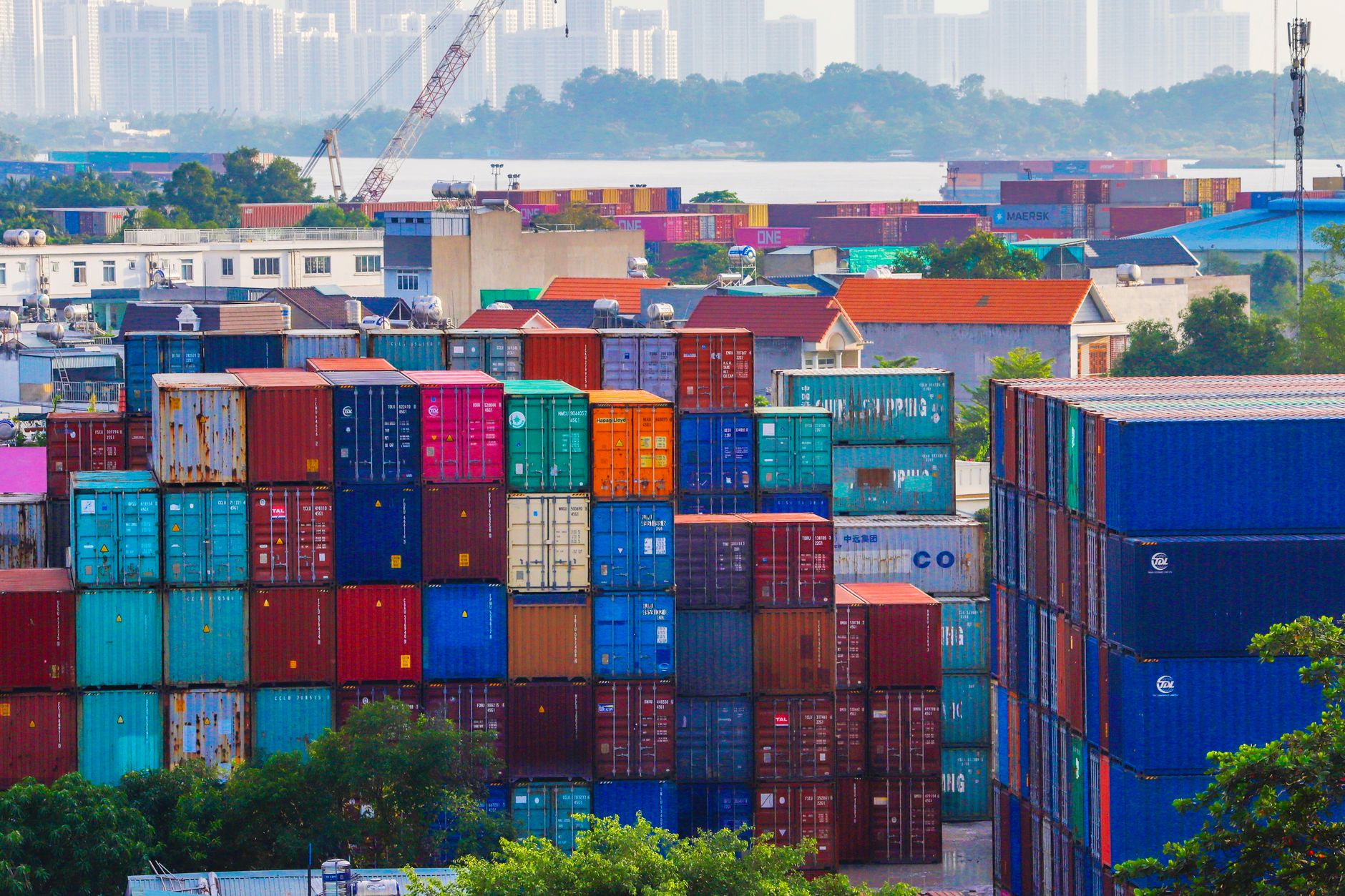
The Import Surge in Numbers
Port data from Los Angeles and Long Beach, the two busiest container entry points for Asian goods, showed pronounced volume spikes in spring shipments compared to the same period a year prior. Clothing and textile categories drove a disproportionate share of that volume. Importers were not simply restocking depleted shelves – they were building buffer inventory well beyond typical seasonal needs.
The velocity of inbound shipments tells the fuller story. Freight forwarders reported booking windows compressed to days rather than weeks, with premium rates being paid to secure space on vessels departing Vietnam, Bangladesh, Cambodia, and China. Those four countries together account for the overwhelming majority of garments sold in American stores, and all four face elevated tariff exposure under the rates taking effect in the second half of the year.
Warehouse occupancy rates in major distribution hubs – Memphis, Dallas, the Inland Empire east of Los Angeles – have been climbing accordingly. Some regional logistics operators noted that apparel clients were leasing additional short-term storage space specifically to handle the overflow. That is a cost line that did not exist in last year’s budgets, and it is being absorbed as insurance against a worse outcome.
Who Absorbs the Cost
The front-loading strategy protects margins in the short term, but it creates a different kind of pressure. Brands that successfully moved inventory ahead of the tariff deadline will eventually sell through those goods – and then face the full force of higher import costs on their next order cycle. The relief is temporary. Fast-fashion retailers with rapid replenishment models feel this more acutely than heritage brands that can plan collections two seasons out.
There is also the question of who ultimately pays. Retailers have limited appetite to absorb new tariff costs indefinitely through margin compression, particularly after years of inflation already strained consumer sensitivity to price increases. The pattern from previous tariff rounds – on steel, washing machines, solar panels – showed that costs tend to migrate toward end consumers over time, even when brands initially resist raising sticker prices. Apparel is not structurally different from those categories. (Packaged food brands have run a parallel playbook, quietly shrinking quantities rather than visibly raising prices.)

The Strategy’s Pressure Points
Front-loading works best when demand forecasts are reliable. Apparel is notoriously difficult to predict, with consumer preferences shifting between seasons and weather patterns throwing off sell-through rates on cold-weather versus warm-weather inventory. A retailer that imported three months of premium denim inventory in March on the assumption of steady fall demand is now exposed if back-to-school spending weakens or a mild autumn delays consumer appetite for heavier goods.
There is also a liquidity dimension that tends to get underweighted in the public conversation about tariffs. Carrying excess inventory ties up working capital. For mid-tier retailers already managing tight credit lines and slowing comparable-store sales, that is not a minor consideration. Large national chains can absorb the carrying costs more readily than regional players or specialty retailers operating on thinner margins. The tariff defense strategy is, in practice, more accessible to retailers with scale – which means it may accelerate the competitive gap between the big and the small.
Sourcing teams at major apparel groups have also been quietly accelerating conversations about supply chain diversification, though the timeline for meaningful geographic shifts is measured in years, not months. Moving production from China to Vietnam or from Vietnam to India requires factory relationships, quality audits, logistics infrastructure, and in many cases regulatory approval on country-of-origin labeling. Brands that started this process three years ago have options now. Brands that did not are largely stuck with their existing supplier base for the immediate future, which means the tariff costs are structural, not avoidable through a quick pivot.
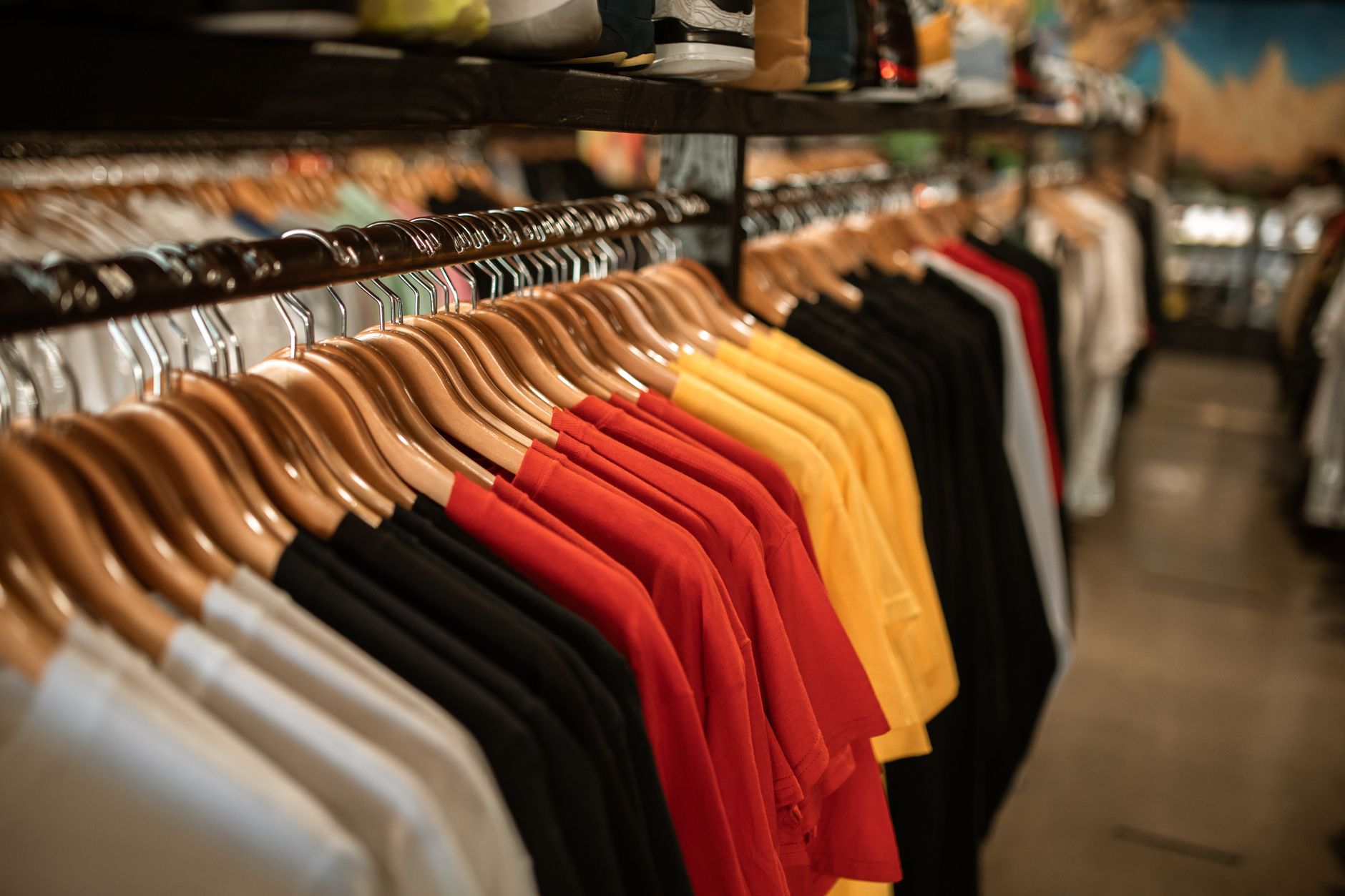
The brands most exposed heading into fall are those with high China sourcing concentration, limited warehousing capacity, and a consumer base that resists price increases – a combination that describes a meaningful slice of the mid-market apparel segment. For those companies, the front-loading window has already closed, the inventory is sitting in distribution centers, and the question now is whether consumer demand in September and October is strong enough to move it at planned price points before the next round of purchase orders – priced under the new tariff regime – starts arriving at port.