





A Race Against the Clock
When tariff schedules shift, importers move fast. Across the apparel supply chain, retailers and wholesalers have been pulling forward orders at an aggressive pace, flooding U.S. ports with clothing, footwear, and accessories in the weeks before new duties are set to take effect. The logic is simple: lock in inventory at current cost before the price floor rises. The risk that comes with it is just as straightforward, though far less comfortable.
What is building quietly in warehouses from New Jersey to the Inland Empire is a stockpile problem with no guaranteed exit. Demand has not expanded to match the incoming volume. Consumers are stretched, discretionary spending is soft, and the retail calendar does not bend to accommodate an import surge. The clothes are coming in. The question is whether anyone will be there to buy them.
The Mechanics of a Pre-Tariff Rush
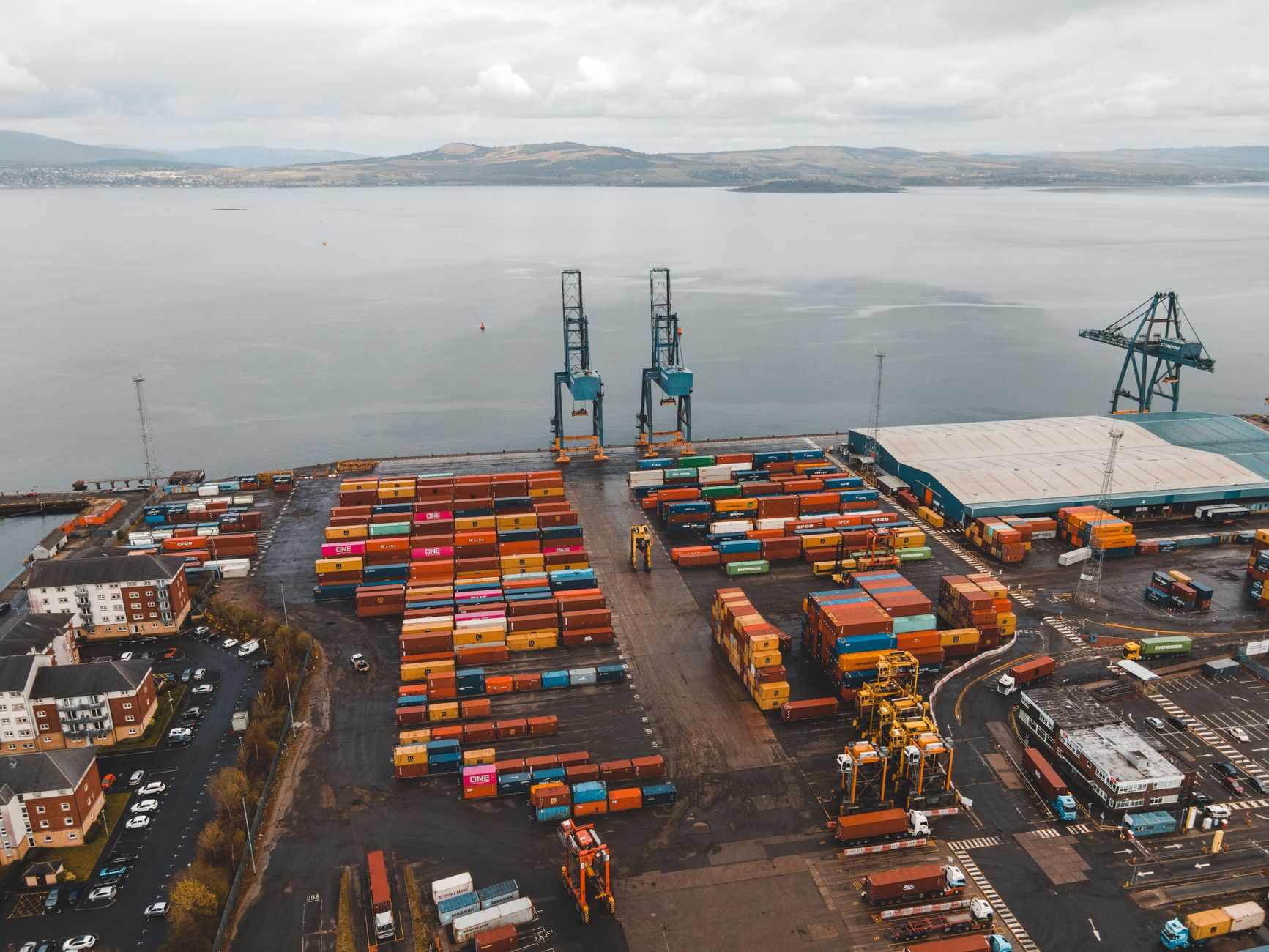
Pre-tariff front-loading is not new behavior. Importers ran a version of this playbook in 2018 and 2019 when the first wave of Section 301 tariffs hit Chinese goods. The pattern is reliable: as a deadline approaches, manufacturers accelerate production, freight capacity tightens, and port volumes spike. This cycle follows the same script, with factories across Vietnam, Bangladesh, Cambodia, and Indonesia running at elevated capacity to ship goods while the duty window remains open.
The volume arriving at West Coast and East Coast ports over the past several months has been notably above seasonal norms for apparel categories. Ocean freight rates on Asia-to-U.S. lanes climbed as demand for container space outpaced supply, adding a secondary cost layer on top of the inventory carrying costs waiting at the other end. Importers essentially paid twice for the privilege of moving fast – once at the docks in Asia, once in the warehouses here.

When Supply Runs Ahead of Demand
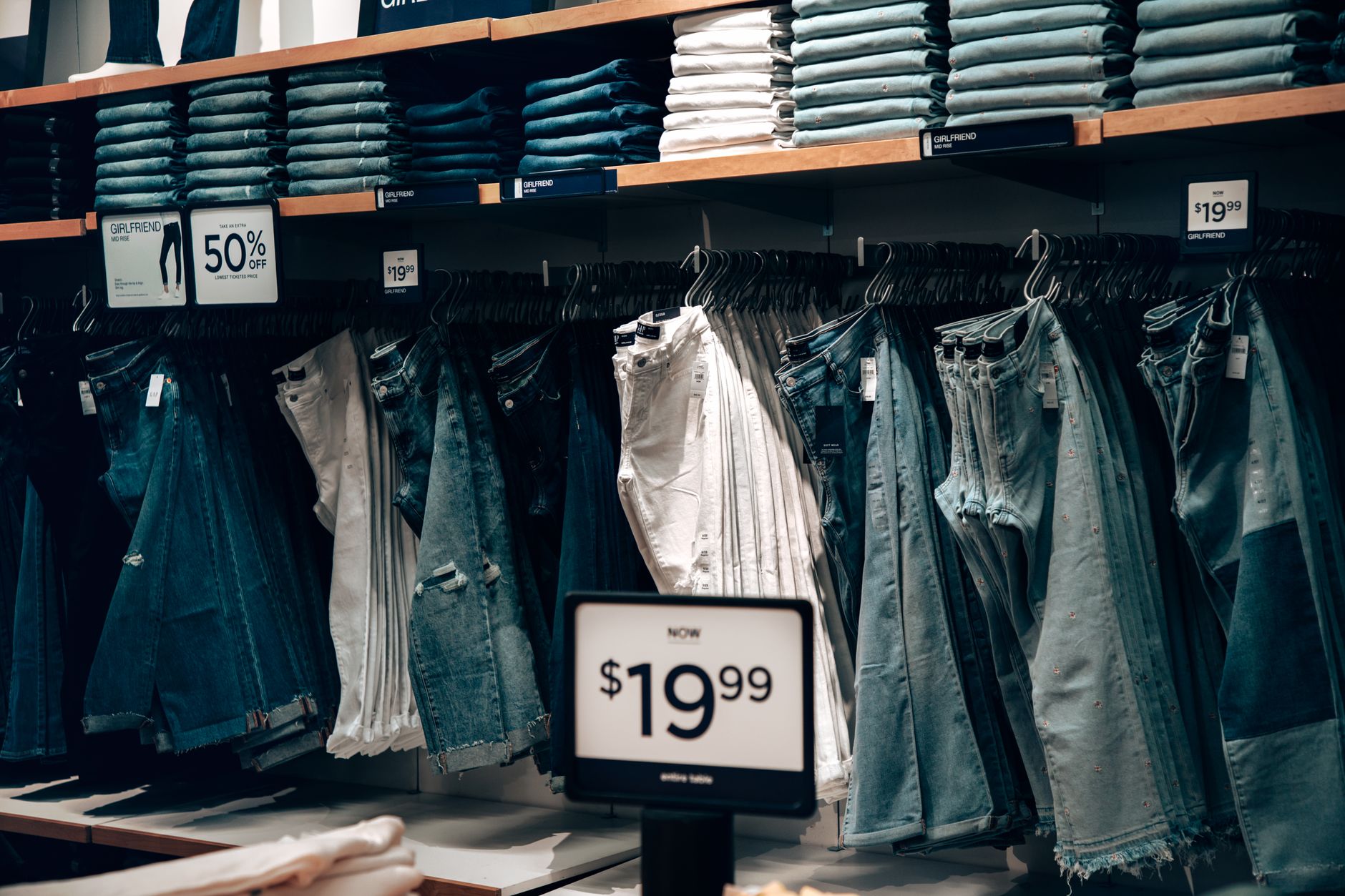
The apparel glut scenario works against retailers in a specific and painful way. Clothing is seasonal, trend-sensitive, and perishable in a commercial sense – a winter coat sitting in a warehouse in March is already losing value. Unlike shelf-stable consumer goods, apparel that misses its selling window requires markdowns to move, and heavy markdown activity compresses margins at exactly the moment when carrying costs are already elevated.
Department stores and mid-market retailers are particularly exposed. They typically operate on tighter inventory management cycles than specialty chains, and their customer base is already showing strain under persistent inflation in food and housing costs. A shopper who trimmed their clothing budget to cover grocery bills last year has not necessarily returned to full discretionary spending just because import volume increased.
Off-price retail channels – T.J. Maxx, Burlington, Ross – are the natural relief valve when the apparel market gets oversupplied. These chains buy excess inventory at steep discounts and have the floor space and customer traffic to absorb it. But even off-price has limits. If every major importer lands a bloated stockpile at roughly the same time, the volume looking for a discount channel can exceed what those buyers are willing or able to absorb without demanding prices that make the original purchase look like a loss.
The downstream effect on pricing is not obvious either. Tariff-related cost increases would normally push retail prices up. But a simultaneous glut creates competing pressure in the other direction. Retailers sitting on excess inventory cannot afford to hold price – they need cash flow and floor space. The result could be a confusing pricing environment where some categories spike while others are aggressively discounted, making it difficult for consumers to read the market clearly.
Who Absorbs the Risk
Smaller importers and independent brands face the sharpest exposure. A large multinational retailer with diversified sourcing, regional distribution networks, and access to credit lines can manage a temporary glut better than a mid-sized brand that placed one big production run to beat the deadline. For the latter, an inventory overhang can translate directly into a cash crunch, particularly if financing costs remain elevated.
The broader supply chain – freight forwarders, customs brokers, third-party logistics operators – is watching the back half of this situation with some nervousness. A post-tariff slowdown in import orders typically follows a front-loading surge, which means the volume spike now may be borrowing from future shipment demand. If orders collapse after the deadline passes, the carriers and logistics providers who scrambled to add capacity during the rush will face a sudden reversal.
What Comes Next
The tariff structure itself may shift before the full impact lands. Trade negotiations, exemptions, and phased implementations have all softened previous deadline effects, and there is no certainty that the rate schedule survives intact. That uncertainty is itself a problem for planning. Retailers that pulled forward inventory to beat a tariff that ends up being delayed or reduced will have paid avoidable carrying costs and taken on unnecessary glut risk based on a policy outcome that did not materialize as expected.
On the demand side, the consumer environment heading into the back half of the year is not encouraging for apparel. Wage growth has slowed in some sectors, household financial stress is spreading across income brackets, and spending on experiences continues to compete with spending on goods. Apparel has historically been one of the first categories to shrink when budgets tighten.
What the market is building toward is a shakeout moment – not a catastrophic one, but a grinding, margin-compressing correction that will separate well-capitalized retailers from those who bet too aggressively on the front-load strategy. The brands that land with the least excess relative to their sell-through capacity will recover fastest. The ones holding three seasons of inventory when their customers want one will spend the next twelve months discounting their way back to neutral.
Frequently Asked Questions
Why are apparel imports surging right now?
Retailers and wholesalers are pulling forward orders to lock in inventory before new tariffs take effect, a strategy known as front-loading that spikes import volumes ahead of a policy deadline.
What happens if too much apparel inventory builds up?
Excess inventory forces retailers to discount heavily to clear stock, compressing profit margins and potentially creating a cash flow problem, especially for smaller importers with limited financial flexibility.