




Author: Hugo Stern


Corporate four-day workweeks are forcing commercial real estate to adapt as companies reduce office space needs by 20-30%, reshaping investment strategies and urban planning.
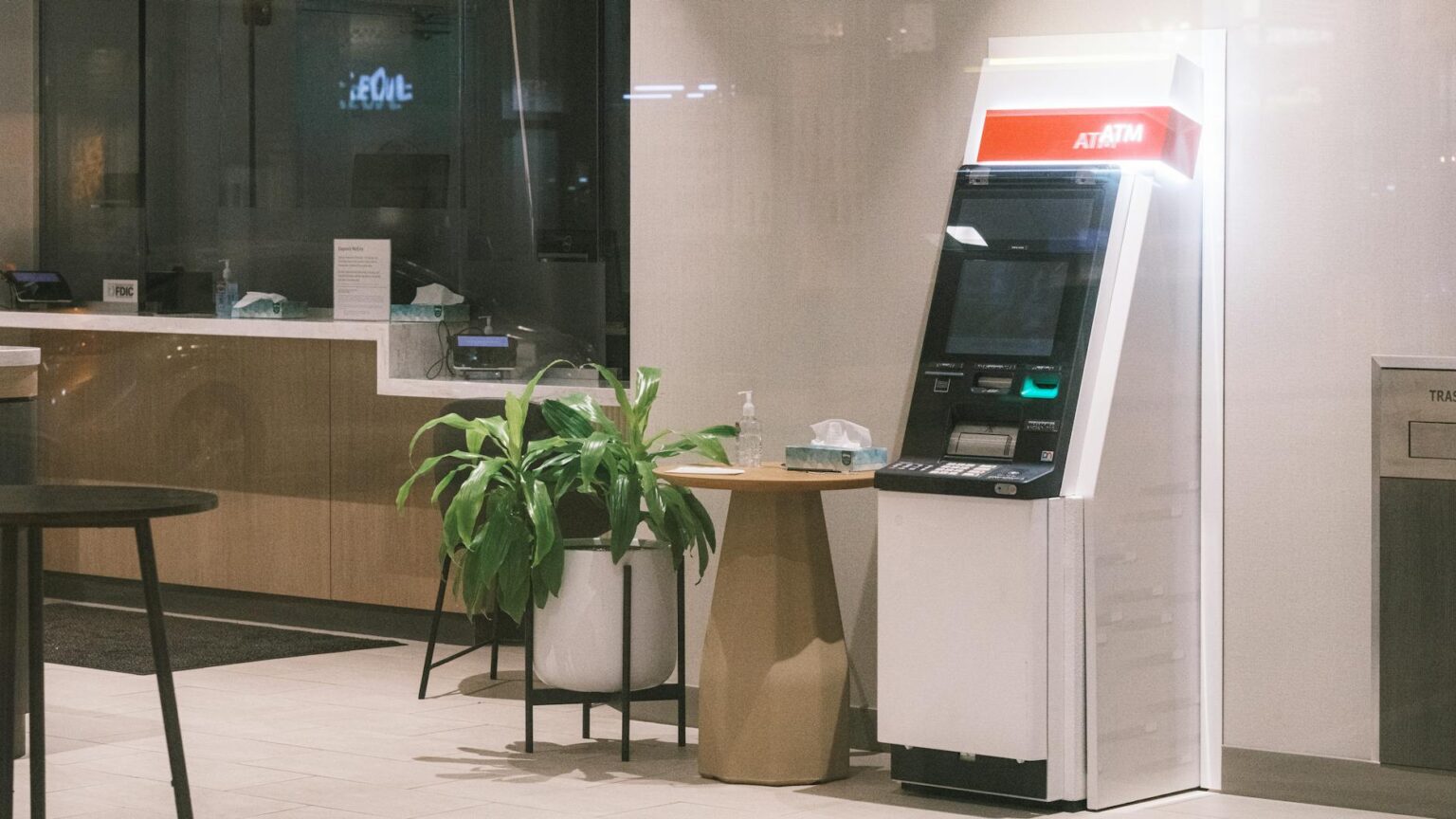
Federal Reserve policy changes are driving up small business lending rates nationwide, forcing entrepreneurs to seek alternative funding as banks tighten credit standards.

Food delivery giants face mounting losses as consumers cut spending and operational costs soar, forcing industry-wide strategic pivots.
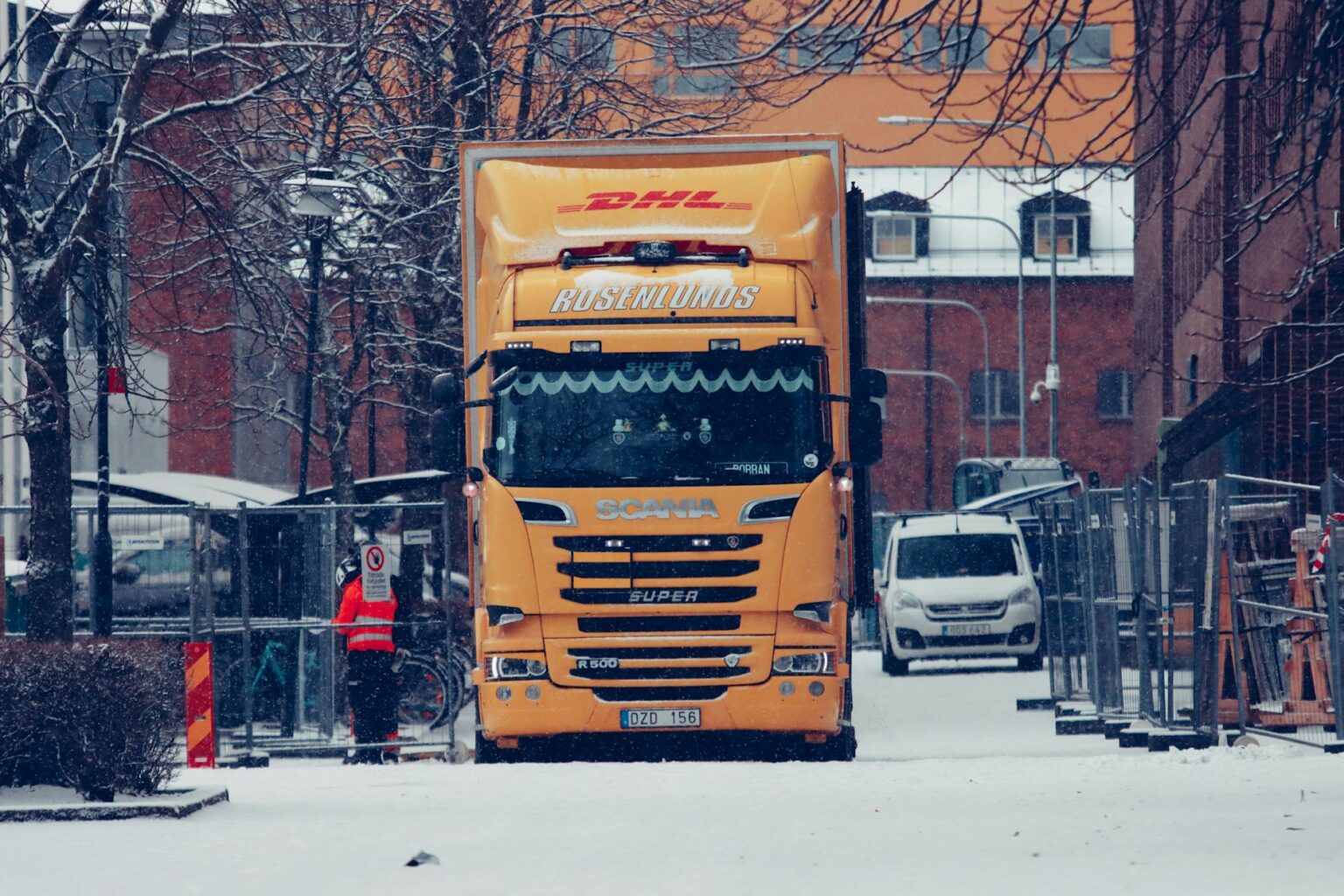
Silicon Valley layoffs drive massive tech talent migration to Austin, reshaping America’s innovation geography and creating new economic opportunities.
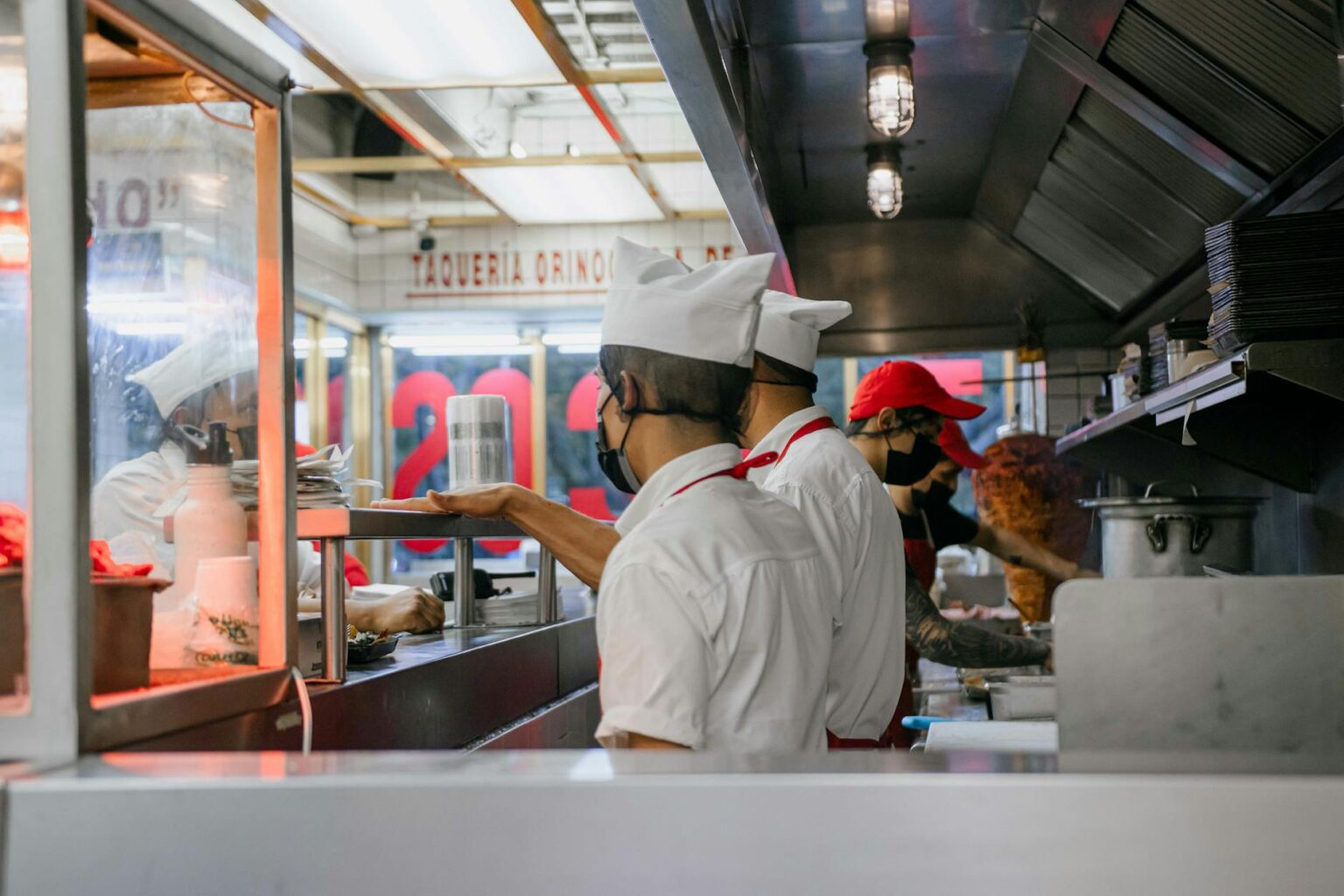
Labor shortages are driving unprecedented automation investments across service industries, from robotic restaurant kitchens to cashierless retail stores.
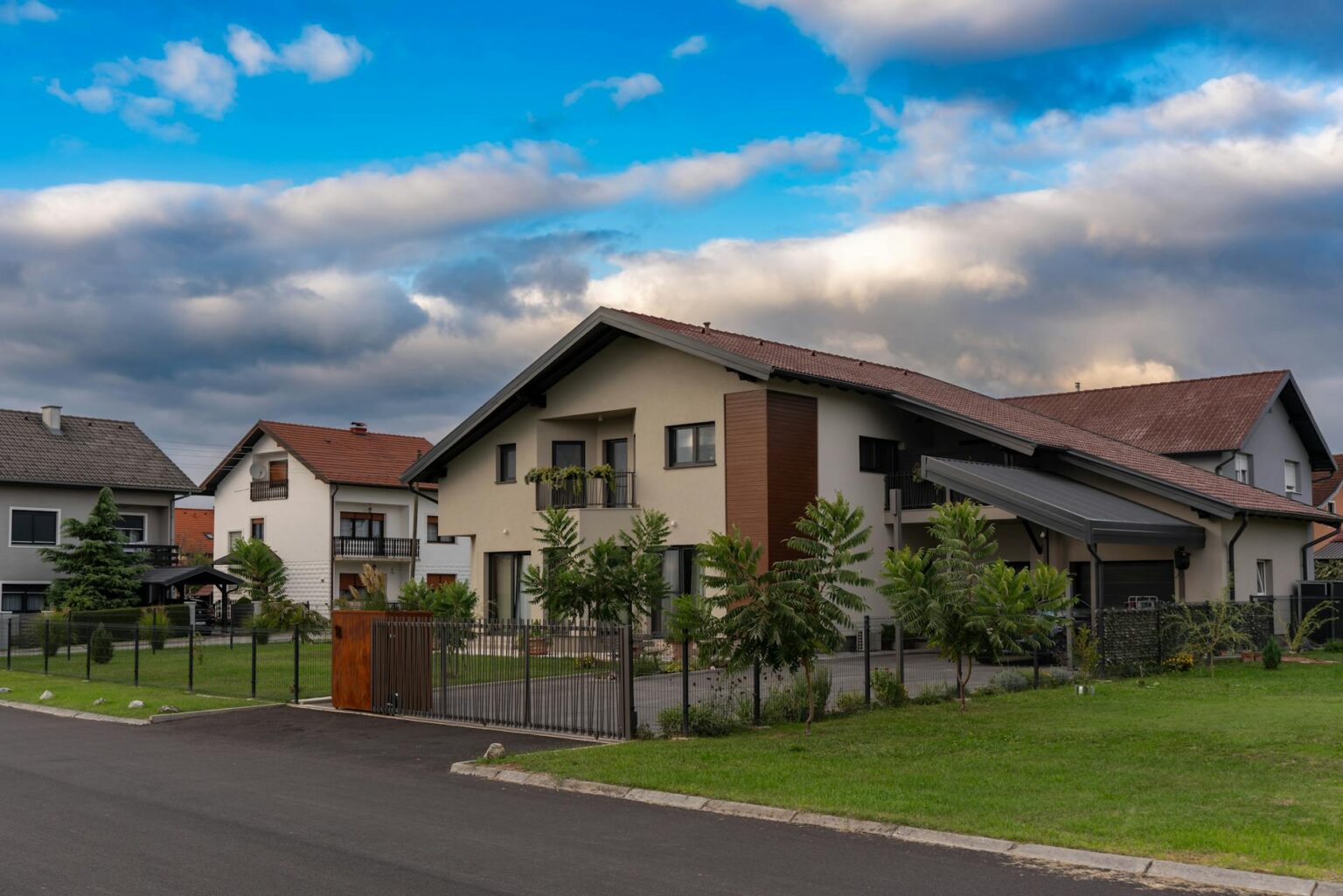
Remote workers fleeing high-cost cities are transforming small-town housing markets nationwide, driving unprecedented price growth and economic change.
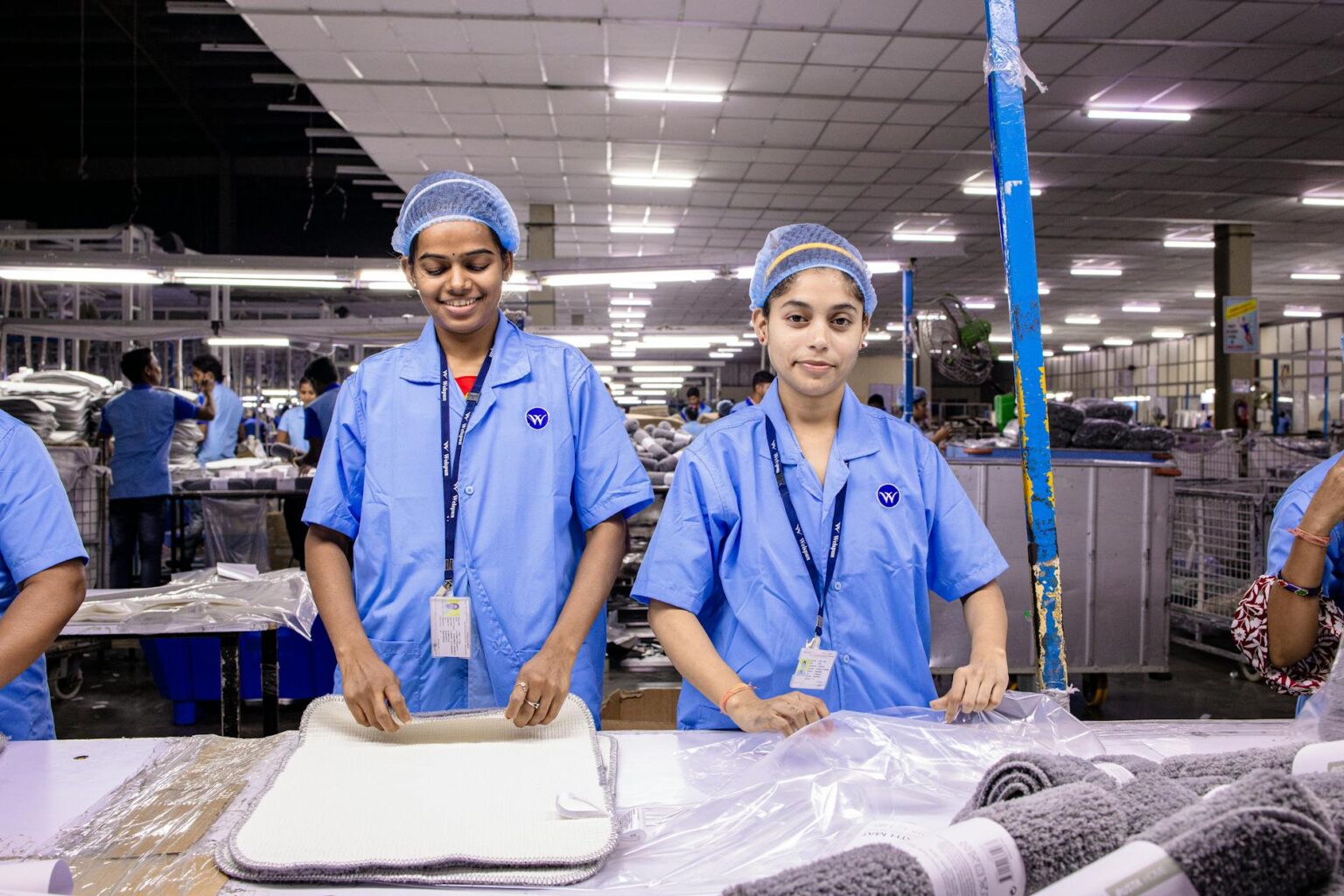
Small towns across the Rust Belt are experiencing a manufacturing renaissance as companies prioritize supply chain resilience and discover the economic advantages of smaller communities.
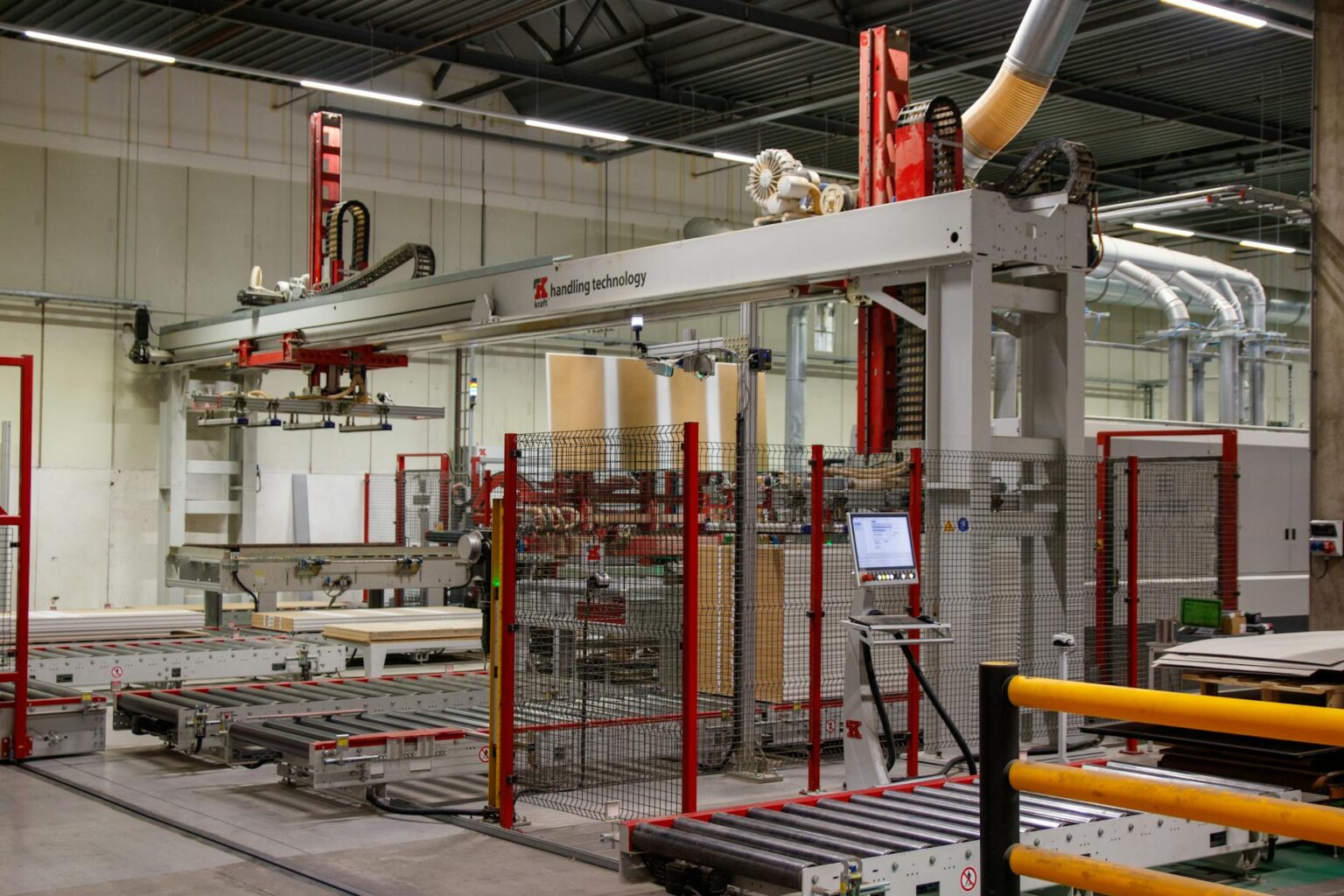
Supply chain disruptions spark massive warehouse automation investment surge as companies race to build resilient, efficient fulfillment operations.

Restaurant labor shortages drive menu prices up 15% as operators compete for workers with higher wages and benefits, passing costs to consumers.

Manufacturing companies returning production to America are driving unprecedented investment in Midwest industrial real estate, transforming the region’s economic landscape.