




Author: Oscar Pham


Bears are piling into regional airlines as fuel hedges expire. The trade rests on margin math, and a falling oil price could turn it fast.

With crude stuck in a band, oil majors are sending surplus cash back to shareholders through buybacks. The logic is clean, but the risks are real.

Regional lenders face a wall of commercial property loans that must be refinanced at much higher rates, and investors are pricing in the strain.

The most interesting question about spot bitcoin ETFs was never whether bitcoin would go up. It was whether traditional finance could absorb an asset that trades around the clock, settles on a ledger no bank controls, and has no earnings, coupon or dividend to anchor a valuation model. That is a harder problem than it sounds, and it has little to do with price charts. When the SEC approved the first spot bitcoin ETFs in January 2024, the debate was framed as a verdict on crypto’s legitimacy. That framing looks backward now. Bitcoin did not need a ticker to exist,…

Every few months, one company’s earnings call decides how an entire stock index trades the next morning. Nvidia’s quarterly report has become that kind of event. Nasdaq-100 futures often swing in after-hours trading before most investors have finished reading the press release. The direction of the swing has less to do with the broader economy than with one question: will the biggest buyers of AI chips keep spending? That is an unusual job for a semiconductor designer. Earnings season normally spreads market risk across hundreds of reports, each nudging an index by a fraction. Nvidia compresses a large share of…

Japan’s bond yields keep climbing as the BOJ steps back. The yen carry trade, long a source of cheap global leverage, is feeling the strain.
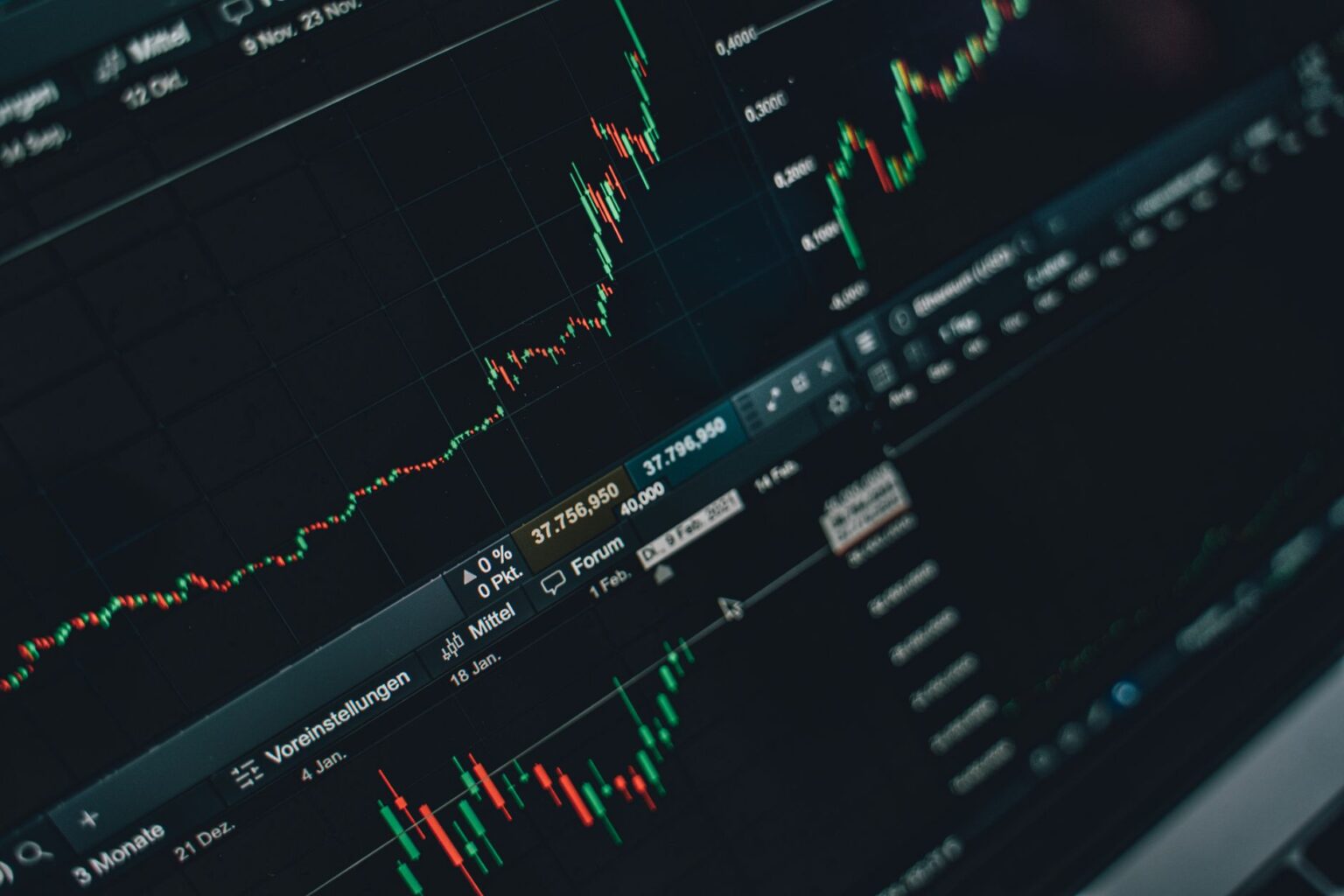
Quarterly caps on withdrawals are being tested as private credit investors ask for cash. Here is how semi-liquid funds handle the squeeze.
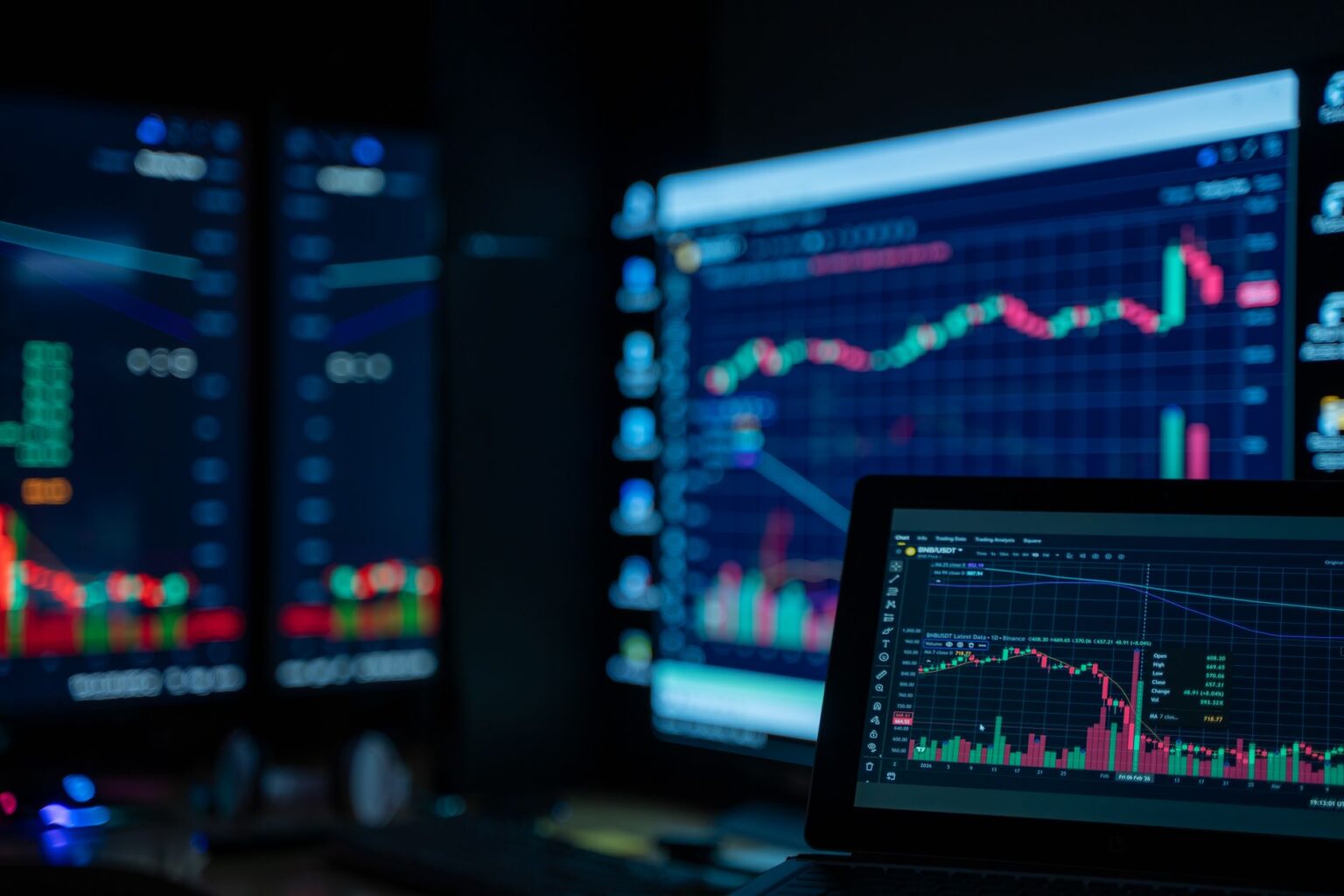
Long Treasury yields are rising for reasons the Fed can’t fix alone. Here is why investors want more compensation for duration risk.

Record gold prices are reshaping reserve strategy as central banks weigh sanctions risk, shifting portfolio weights and the awkward question of when to stop buying.

Private credit funds have raised over $1.4 trillion, displacing banks as middle-market companies seek faster, more flexible financing solutions.