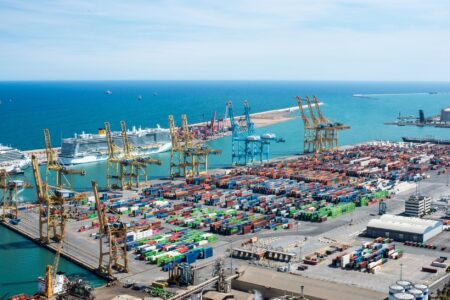




Cargo insurance has never been a glamorous line item in a shipping budget, but it has rarely been this expensive either. A widening belt of geopolitical friction, piracy activity, and weather disruption is forcing underwriters to reprice risk across nearly every major trade lane – and the bill is landing squarely on importers, exporters, and ultimately consumers.
Premiums on the Move – and Not Gradually
The Red Sea corridor, which handles a substantial share of container traffic between Asia and Europe, has seen war risk surcharges attach to cargo policies at rates that were essentially unthinkable three years ago. When Houthi attacks on commercial vessels intensified, insurers moved fast. Coverage that had been priced as routine ocean marine shifted into war risk territory, a classification that carries far higher premiums and often requires separate underwriting altogether. Shippers who assumed their standard open cargo policies covered all eventualities found out the hard way that war risk exclusions are standard language in most contracts.
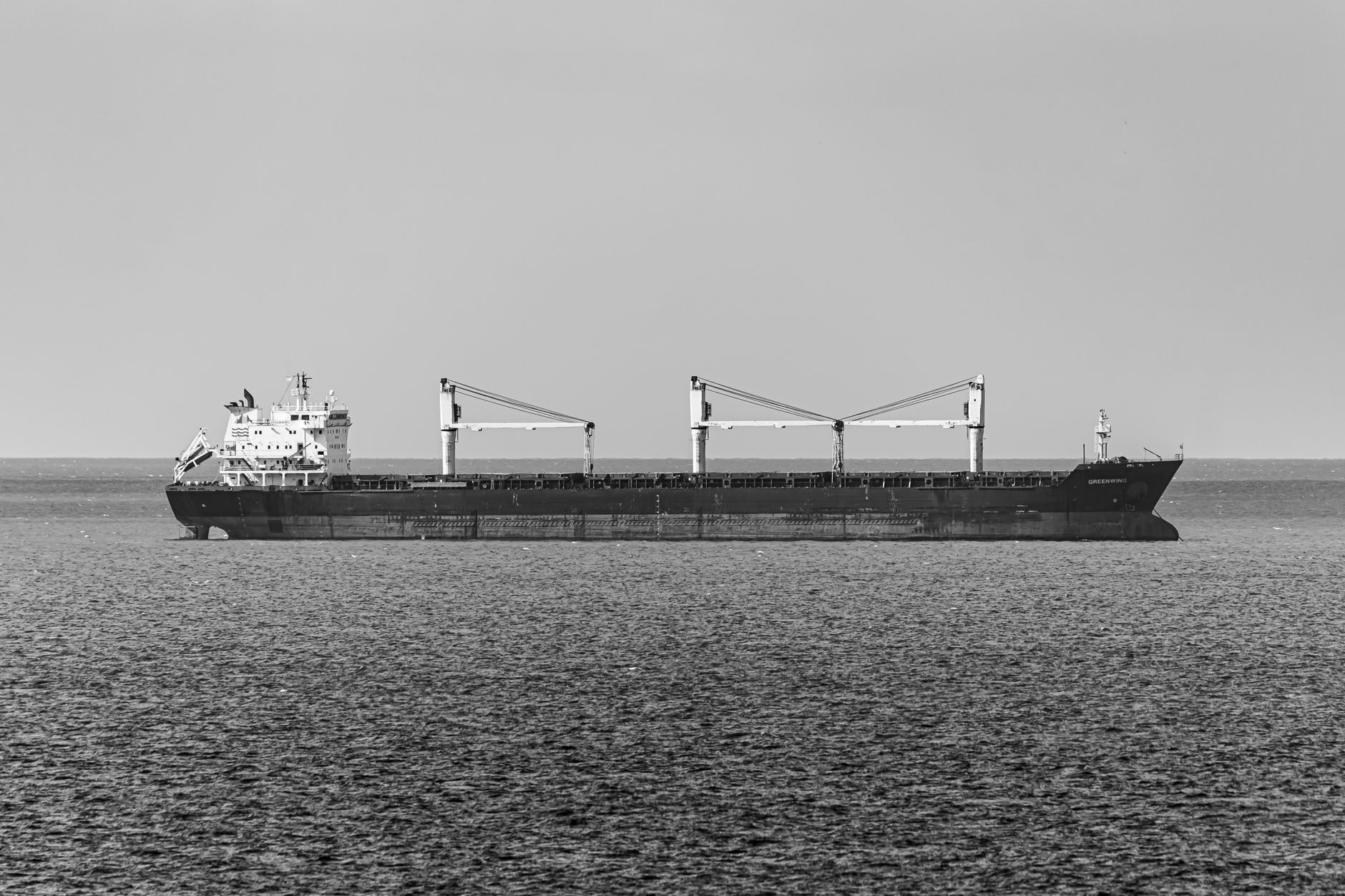
The rerouting of vessels around the Cape of Good Hope added transit time and introduced new exposure windows. Longer voyages mean more time at sea, more opportunities for weather damage, theft, and mechanical incident. From an actuarial standpoint, each additional day on water is additional liability. Insurers price accordingly, and the extended Cape routes effectively created a longer tail of risk per shipment that underwriters had to absorb into their models.
Piracy is back as a meaningful pricing variable, and not only in waters that traditionally carry that reputation. The Gulf of Guinea remains active, but incidents off the Somali coast have picked up again, and Lloyd’s of London market syndicates have responded by tightening the Listed Areas designations that trigger automatic war risk premium adjustments. Once a region hits that list, coverage costs jump without any individual negotiation needed – it is a mechanical repricing that catches some cargo owners off guard.
What makes this pricing cycle different from previous spikes is the geographic spread. Past disruptions tended to concentrate risk in one or two corridors. Right now, underwriters are managing elevated risk signals from the Red Sea, the Black Sea, parts of the South China Sea, and West African coastal routes simultaneously. That kind of multi-theater stress has not been a common feature of marine insurance pricing models, and some insurers are still recalibrating how to weight correlated risks across regions that historically moved independently.
Who Absorbs the Cost – and How
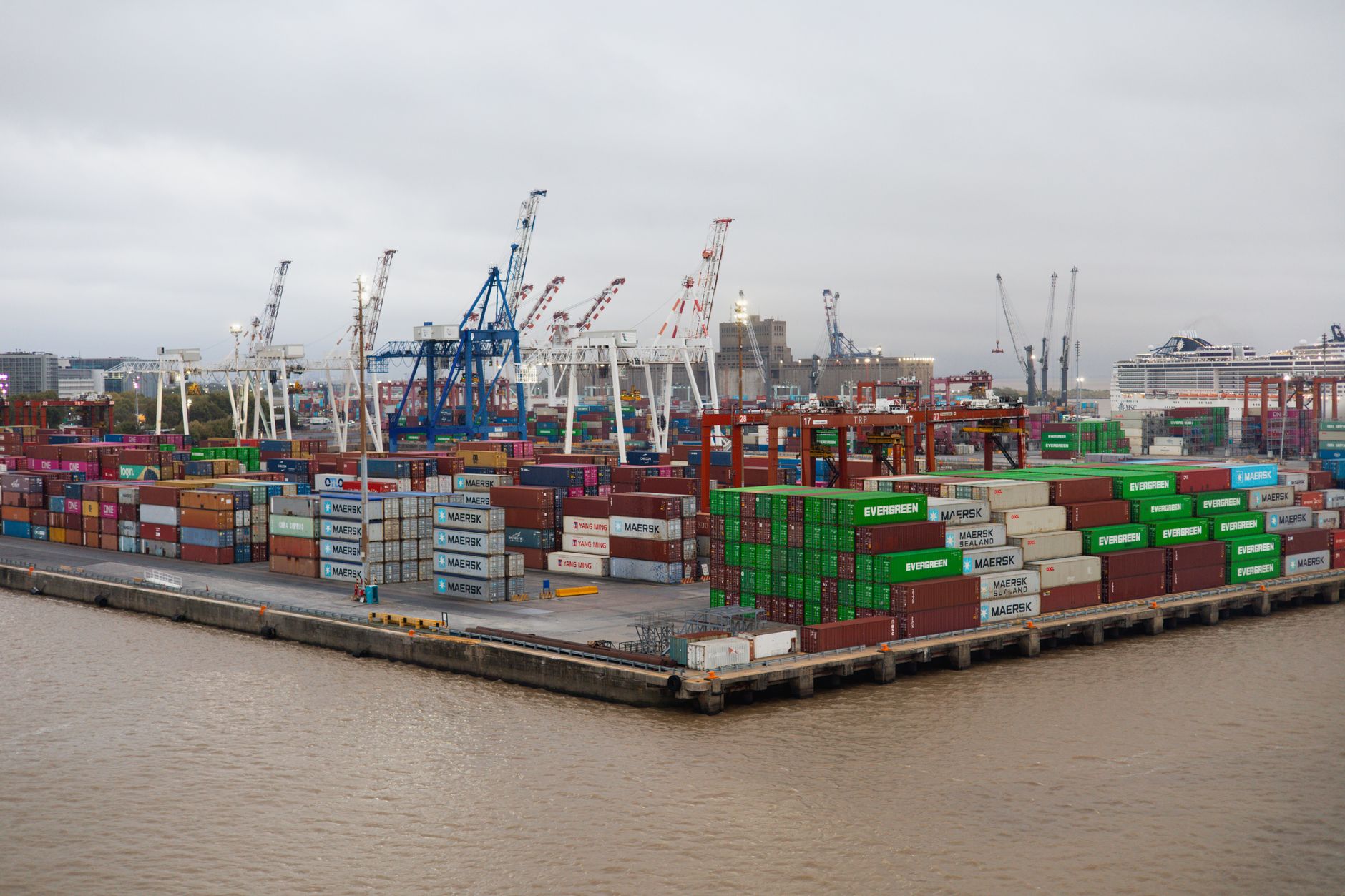
The cargo insurance market runs on a relatively simple structure: shippers and freight forwarders purchase open cargo policies that cover goods in transit, with premiums calculated based on commodity type, declared value, trade route, and the insured’s own claims history. When underlying risk increases, insurers raise rates at renewal or, in more acute situations, mid-term through endorsements and surcharges. Right now, both mechanisms are active at the same time, which is creating budget headaches for logistics teams that locked in annual contracts expecting flat or declining costs.
Retailers and manufacturers with high-volume import programs feel the pressure most acutely. A company moving several hundred containers per month from Asian suppliers cannot easily absorb a doubling of war risk surcharges without passing some portion downstream. Where contracts with buyers allow for cost pass-throughs, that conversation is happening. Where they do not, the importing company eats the difference – at least until the next contract negotiation cycle, when freight and insurance costs become a more visible part of price discussions.
Small and mid-size importers face a structurally harder problem. Large shippers have the volume to negotiate bespoke coverage terms and the relationships to access Lloyd’s syndicates directly or through dedicated marine brokers who know how to layer coverage. Smaller operators often rely on forwarder-arranged insurance or off-the-shelf open policies that offer less flexibility when conditions deteriorate. When war risk surcharges spike, they cannot as easily substitute with alternative coverage structures or negotiate carve-outs for lower-risk legs of the same journey.
Commodity type matters more than it used to. Electronics, pharmaceuticals, and luxury goods have always attracted closer underwriting scrutiny, but the current environment is making even relatively low-value bulk cargo more expensive to insure when it moves through flagged corridors. Some categories of agricultural goods, particularly grain shipments from Black Sea ports, have become nearly uninsurable through standard market channels and require specialty placement with state-backed or multilateral insurance facilities. That is a meaningful shift in how global food supply chains have to be financially structured.
Insurance buyers are also discovering that deductible structures that made sense under normal market conditions now produce real pain. Policies with high per-occurrence deductibles were attractive when premiums were low – a logical trade-off. Now, with premiums rising and incident frequency also up, some cargo owners are sitting in an uncomfortable spot where they are paying more for coverage that also requires them to self-insure a larger first layer of any loss. Restructuring those deductibles costs additional premium, which compounds the squeeze.
What the Repricing Signals for Broader Trade
Cargo insurance premiums function as a real-time market signal about where the world’s trade infrastructure is under stress. When underwriters price risk higher on a given route, they are making a collective judgment that the probability and severity of loss has increased – and that judgment is based on live claims data, shipping incident reports, geopolitical assessments, and the reinsurance capacity available to back their positions. The current broad-based repricing is not noise; it is the insurance market flagging that global trade routes are carrying more embedded risk than at any recent point in the cycle.

For companies that treat cargo insurance as a fixed overhead cost and review it annually without much scrutiny, the next renewal conversation is going to require more attention than usual. Underwriters are asking harder questions about supply chain geography, vessel selection, and the use of transshipment hubs in conflict-adjacent regions. Shippers who cannot answer those questions clearly may find their coverage options narrowing – or their premiums set at the insurer’s most conservative assumptions rather than the shipper’s actual risk profile. The companies with the most leverage going into those conversations are the ones that have already mapped their exposure and can demonstrate where and how they have reduced it.
Frequently Asked Questions
Why are cargo insurance premiums rising right now?
A combination of Houthi attacks in the Red Sea, renewed piracy activity, Black Sea conflict, and longer rerouted voyages has increased risk exposure across multiple trade lanes simultaneously, prompting insurers to raise rates and add war risk surcharges.
What is a war risk surcharge in cargo insurance?
A war risk surcharge is an additional premium applied when cargo moves through regions designated as active conflict or high-threat zones. It is typically separate from standard ocean marine coverage and priced at significantly higher rates.